Why Do Some Cars Have Power Sunshades?
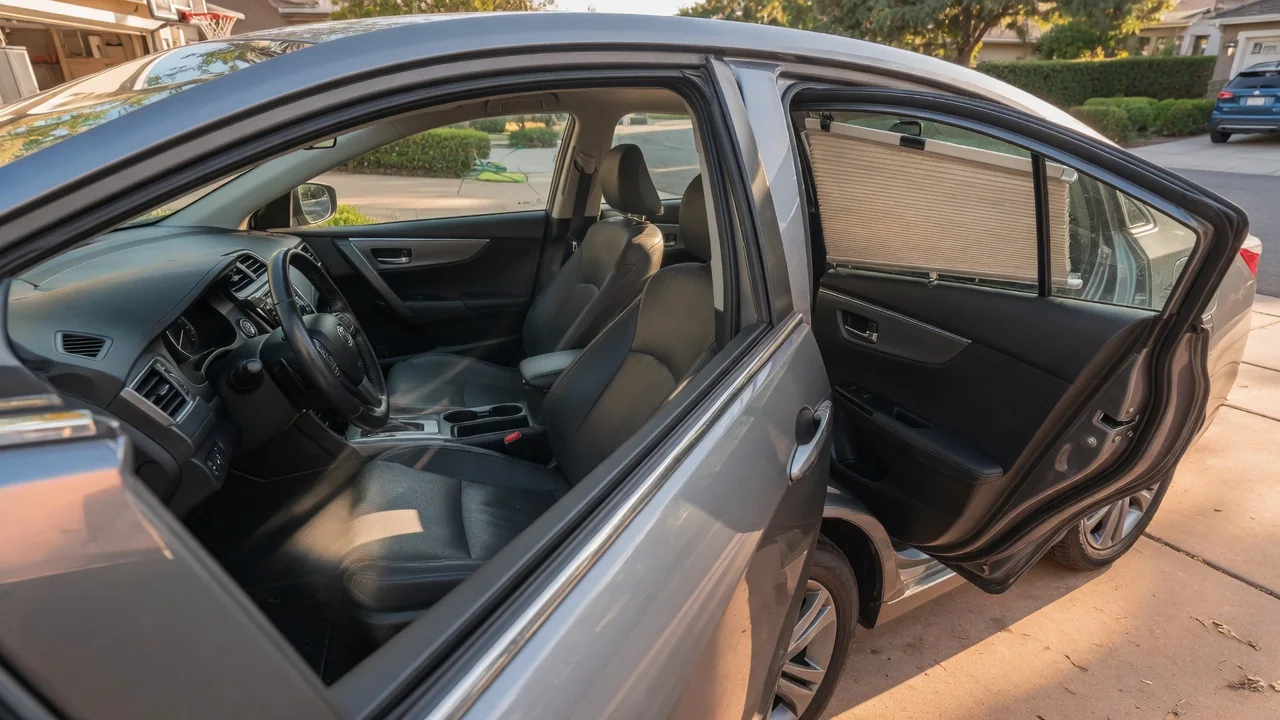
Anyone wondering why do some cars have power sunshades will find the answer in a mix of comfort, convenience, and packaging. A motorized shade lets the driver or passengers cover a rear window, side glass, or panoramic roof at the touch of a button, without reaching across the cabin. This overview explains how the mechanism works, what it offers, and how to recognize trouble.
Motor mechanism
A power sunshade is essentially a fabric or mesh screen wound onto a spring-loaded or motor-driven roller, hidden in the parcel shelf, door panel, or headliner. A small electric motor turns a gear set that pushes support arms upward or pulls the shade along guide rails with cables. When the switch is pressed, the motor runs until the shade reaches its end position, and a control module or limit switch cuts power so the fabric stops cleanly rather than straining against its stops.
Designs differ considerably between vehicles. A rear window shade commonly rises on two pivoting arms from a slot behind the rear seats, while a panoramic roof shade usually slides horizontally in tracks on either side of the glass. Some vehicles retract the rear shade automatically when reverse is selected so the view through the mirror stays clear. Whether a particular car has this behavior, one-touch operation, or pinch protection depends on the manufacturer, so the owner's manual is the reliable reference for any specific model.
Passenger comfort
Comfort is the main reason automakers fit these shades. Large glass areas admit a great deal of solar heat and glare, and rear passengers often sit directly beneath a sloping window or glass roof with no visor to pull down. A shade softens direct sunlight on skin and eyes, helps children or sleeping passengers rest, and makes screens easier to read. It also reduces the load on the air conditioning by limiting how much radiant heat reaches seats and trim.
Motorizing the shade matters because of where it sits. A driver cannot safely reach a rear window screen while moving, and a roof shade spanning the full cabin would be awkward to slide by hand. A switch on the console, door, or overhead panel lets anyone adjust shading without leaving their seat. Privacy is another benefit, since a raised shade obscures the view into the rear cabin and luggage area. Vehicles aimed at chauffeured or family use often give rear passengers their own controls.
Fault signs
Problems usually announce themselves through sound or movement. A shade that rises partway and stops, travels unevenly with one side leading, or retracts on its own soon after deploying suggests something is binding or the system has lost track of its position. Grinding, clicking, or a motor that hums without moving the fabric point toward worn gears, a slipping cable, or a broken arm linkage. A shade that does nothing at all may simply have lost power through a fuse, switch, or wiring fault.
These symptoms are clues rather than verdicts. On vehicles where a body control module manages the shade, a stored fault code may indicate a circuit or position concern, but a code is evidence to interpret, not proof that the motor itself has failed. Code meanings for comfort systems are frequently manufacturer-specific, so they need confirmation against information for the exact vehicle. Debris in the guide rails, a wrinkled fabric edge, or low battery voltage can produce the same behavior as a failing component.
Everyday Use and Observations
In daily driving, a healthy shade moves smoothly and quietly, takes about the same time on each cycle, and sits flat and evenly tensioned when deployed. Owners may notice that the fabric is a perforated mesh rather than a solid blind; this lets the driver keep some rearward visibility while still cutting glare. Roof shades vary more, with some being thin translucent fabric that only softens light and others being thicker panels that block it almost completely.
Small habits help the mechanism last. Keeping cargo, headrests, child seats, and loose items clear of the shade's path prevents it from catching as it rises, and avoiding pulling or pushing the fabric by hand protects the arms and roller. Temperature can change how it behaves, since cold stiffens fabric and lubricant and may slow movement slightly. Paying attention to how the shade normally sounds makes it easier to notice a change early, before a minor snag becomes a torn screen or stripped gear.
Limits and Next Steps
A power sunshade has clear limits. It reduces glare and radiant heat but does not replace window tint, ultraviolet-filtering glass, or air conditioning, and a parked car in strong sun will still become hot inside. Mesh shades dim the rearward view, which matters at night or in rain, so lowering the shade in poor visibility is sensible. Local rules on window obstruction can also differ, particularly for aftermarket screens, and factory equipment varies by trim level and market.
When a shade misbehaves, the sensible first steps are simple checks: confirm nothing is blocking its travel, look for visible damage to the fabric or rails, and consult the owner's manual for any reset or initialization routine the manufacturer describes. Forcing a stuck shade or dismantling trim near airbags and wiring risks further damage, so persistent faults are best assessed by a qualified technician with access to vehicle-specific diagnostic information. They can test the circuit and mechanism before any part is replaced.