Why Did Some Cars Have Two-Speed Wipers?
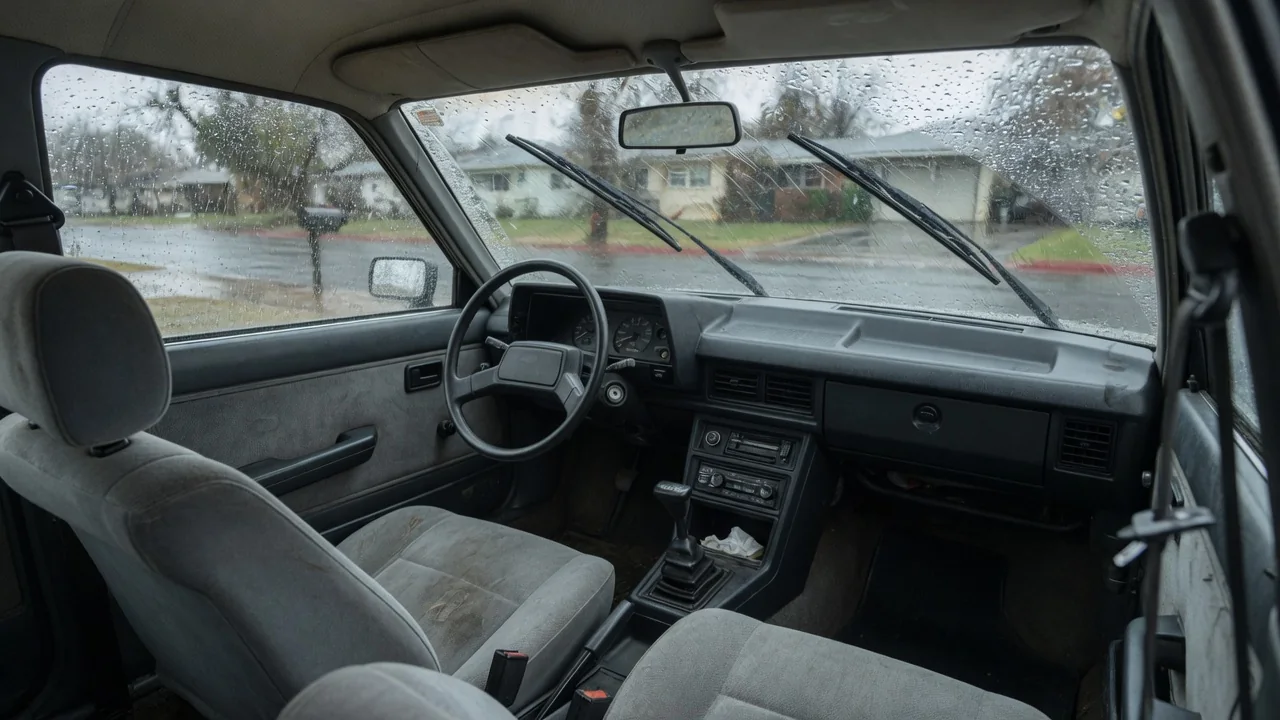
Anyone who has driven an older car remembers a wiper switch with just two running positions, low and high. If you have wondered why did some cars have two speed wipers, the answer lies in simple motor design, modest electrical systems, and what engineers of the time considered enough control for rain. This explanation covers how those systems worked and how they evolved into today's controls.
Wiper motor settings
Two-speed wipers grew out of the way the electric wiper motor itself was built. Many designs used a permanent magnet motor with three brushes instead of two. Feeding current through the normal pair of brushes produced the slower sweep, while switching power to a third, offset brush changed how the armature windings were energized and made the motor spin faster. Two speeds therefore required nothing more than an extra brush and one more switch contact, which kept the hardware inexpensive and durable.
Other earlier motors used wound field coils, and speed was altered by changing the current through a field winding with a resistor. Either way, the speed choice was made inside the motor rather than by electronics. A park switch in the gearbox kept the motor powered until the blades returned to the bottom of the glass. Exact wiring, brush layout, and parking arrangement differ between manufacturers and model years, so a factory wiring diagram is the reliable reference for any particular vehicle.
Driver use
For the driver, the arrangement was easy to understand: off, low, and high. Low handled steady rain at moderate road speeds, and high was reserved for downpours, heavy truck spray, or highway driving where water hit the glass faster than the slow sweep could clear it. Compared with the vacuum-operated wipers found on still older cars, which slowed down or stalled when the engine was pulling hard uphill, an electric system with two dependable speeds felt like a real improvement.
The weak point was light rain or mist. With no delay function, low speed dragged the blades across nearly dry glass, causing chatter, streaks, and extra blade wear. Drivers compensated by flicking the switch on for a single pass and then off again, effectively acting as the timer themselves. Controls varied widely, from dashboard pull knobs and rotary switches to column stalks, and some cars combined the washer button with the same control while others placed it elsewhere on the dash or floor.
Modern controls
Intermittent wiping was the first major step beyond two speeds. A timing circuit, at first a simple relay module, pulsed the low-speed circuit so the blades made one sweep and then paused. Later versions added a variable delay the driver could adjust with a ring or dial on the stalk. Notably, the motor underneath often remained the same two-speed unit; the added intelligence sat in the switch and the control module rather than in the motor windings.
Current vehicles go further. Many use a rain sensor mounted near the rearview mirror that detects water on the windshield and adjusts wiping frequency automatically, with a body control module issuing the commands. Some systems vary the delay with road speed, and some use electronically controlled motors that reverse direction instead of relying on a traditional linkage and park switch. Feature content depends heavily on brand, trim level, and model year, so two vehicles of the same age can behave quite differently.
Everyday Use and Observations
On a car with two-speed wipers, a few things are easy to observe. The switch has distinct detents for each speed, and the change in sweep rate between them is clear and immediate. When the switch is turned off mid-stroke, the blades should continue to the rest position before stopping, which shows the park circuit is doing its job. Wipers often run slightly slower at idle with the headlights and blower on, because motor speed follows system voltage.
Glass condition also changes how the system behaves. On a wet windshield the blades glide and the motor runs freely; on drying glass, friction rises and the sweep visibly slows. Owners of classic cars sometimes notice that one speed works while the other does not, or that both speeds seem identical. Those symptoms are clues pointing toward the switch, wiring, motor brushes, or connections, but they do not identify a single failed part without testing on that specific vehicle.
Limits and Next Steps
The limits of a two-speed system are mostly about convenience rather than safety when everything works properly. It cannot pause between sweeps, cannot react to changing rain on its own, and asks more attention from the driver in drizzle. Good blades, clean glass, and a working washer do a great deal to offset those shortcomings. Stiff linkage pivots or a tired motor can make even the high setting feel sluggish, so mechanical condition matters as much as the control design.
Anyone maintaining or restoring an older car should start with the service information for that exact model, since terminal layouts and switch logic are not universal. Aftermarket intermittent kits exist for some classics, but fitment and wiring compatibility need to be confirmed before buying. If the wipers behave erratically, a qualified technician can check voltage supply, grounds, and the park circuit methodically. Understanding why the system has only two speeds makes those conversations, and the car's behavior in the rain, much easier to interpret.