Why Do Cars Have Rear Window Sunshades?
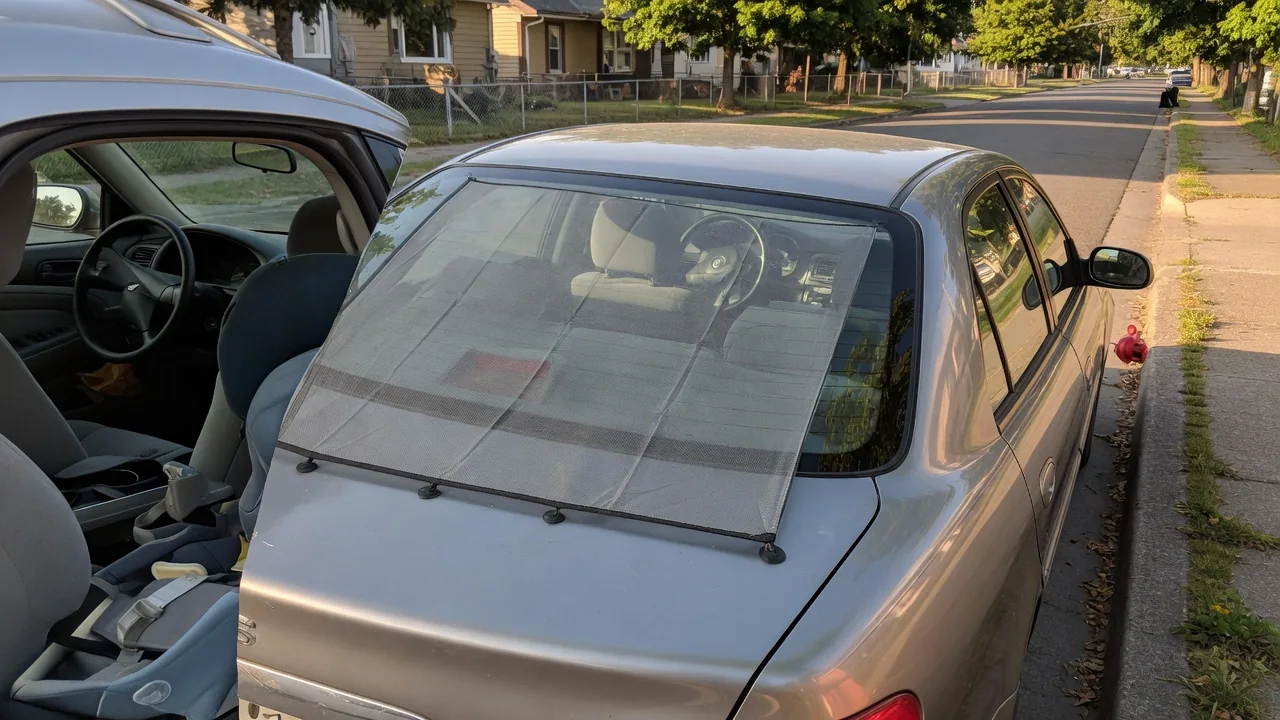
People who ask why cars have rear window sunshades are usually looking at a mesh screen behind the back seat or a roller blind tucked into a rear door. The short answer is comfort: these shades cut glare and solar heat for back-seat passengers while still letting the driver see through the glass. How well they manage both jobs depends on design and use.
Manual and powered types
Manual shades are the simplest version. On rear side doors, a spring-loaded roller sits inside the door panel just below the glass, and a passenger pulls the fabric upward by a small tab and hooks it onto clips molded into the upper window frame. Some vehicles add a second small panel for the fixed quarter glass. A manual shade for the back glass works the same way, rising from a slot in the parcel shelf behind the rear seatbacks and latching near the headliner.
Powered shades replace the hand pull with a small electric motor that drives support arms or cables, raising the screen from the rear shelf at the press of a button. Depending on the vehicle, the switch may sit on the center console, a door panel, or within a touchscreen menu, and some systems lower the shade automatically when reverse is selected so the view behind opens up. Whether a model offers manual, powered, or no shades at all varies with trim level and market, so the owner's manual is the reliable guide.
When they help
Shades earn their place when the sun is low or the cabin is occupied for long periods. Late afternoon light streaming through the back glass lands on the necks and shoulders of rear passengers, and side glass lets direct sun fall on a child strapped into a seat who cannot shift away from it. A mesh screen breaks up that direct beam, softening glare on faces, books, and rear entertainment screens without turning the cabin into a dark box.
They also assist the climate control system. Sunlight passing through glass warms seat surfaces, trim, and passengers directly, and air conditioning vents in the second row can struggle against that radiant load on a hot highway drive. Blocking part of the light before it reaches the upholstery means leather or dark fabric feels less scorching when someone climbs in. A rear screen can also temper the headlight glare from a vehicle following closely at night, and it adds a measure of privacy for occupants and belongings.
Care and obstruction
The fabric is a fine perforated weave, and it responds best to gentle treatment. Dust can be lifted with a soft brush or a vacuum on low suction, and light marks usually come away with a damp microfiber cloth; harsh cleaners can stiffen or discolor the mesh. Letting a manual shade snap back unchecked stresses the roller spring and the hem bar, so guiding it down by hand is kinder. Sharp cargo, pet claws, and curious fingers are the usual sources of tears and bent clips.
Obstruction matters just as much. Items stacked on the rear shelf can block a powered shade as it rises, causing it to stall, rise crookedly, or reverse, and loose objects may fall into the slot where the mechanism lives. On side doors, a shade left hooked while the window is lowered will flap in the airflow and can pull off its clips. The driver's view counts as well: even open-weave mesh dims what the interior mirror shows, particularly at dusk, in rain, or through glass that is already tinted.
Everyday Use and Observations
In daily driving, the pattern most owners settle into is raising the shades for sunny highway stretches and lowering them when visibility matters more than shade. Looking through the interior mirror with the rear screen up, traffic remains visible but slightly muted, a bit like viewing it through sunglasses. Side shades have little effect on the driver's mirrors, yet they can dim an over-the-shoulder glance through the rear door glass, which is worth remembering before a lane change.
A few small observations reveal how a particular system is behaving. A healthy powered shade moves smoothly and evenly, with a quiet motor hum and both edges arriving together; hesitation, clicking, or one corner lagging suggests something is binding and deserves a closer look. Manual shades should retract fully and sit flush with the door trim. Features differ between vehicles, so some shades lower themselves in reverse while others stay up until the driver presses the switch, and an exterior-mounted backup camera keeps showing the area behind regardless.
Limits and Next Steps
Sunshades have clear limits. They reduce direct light but do not stop a parked car from heating up, and they are no substitute for air conditioning or for never leaving children or pets in a closed vehicle. Mesh filters only part of the sun's energy, and the protection it offers skin varies with the material, so long trips in strong sun may still call for other measures. A shade also cannot restore visibility it takes away; in fog, heavy rain, or darkness, lowering it is the sensible choice.
For a car without factory shades, aftermarket screens that cling or clip to the glass are widely sold, though fit and quality vary, and rules on covering windows differ by state, so checking local regulations before fitting anything is wise. Anything attached near side curtain airbags or over the rear defroster grid should be chosen with care. If a factory powered shade stops working, the owner's manual and a qualified technician are the right next step, since the cause may be electrical, mechanical, or simply an object in its path.