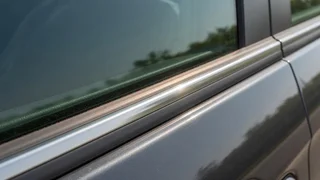
Rear window molding
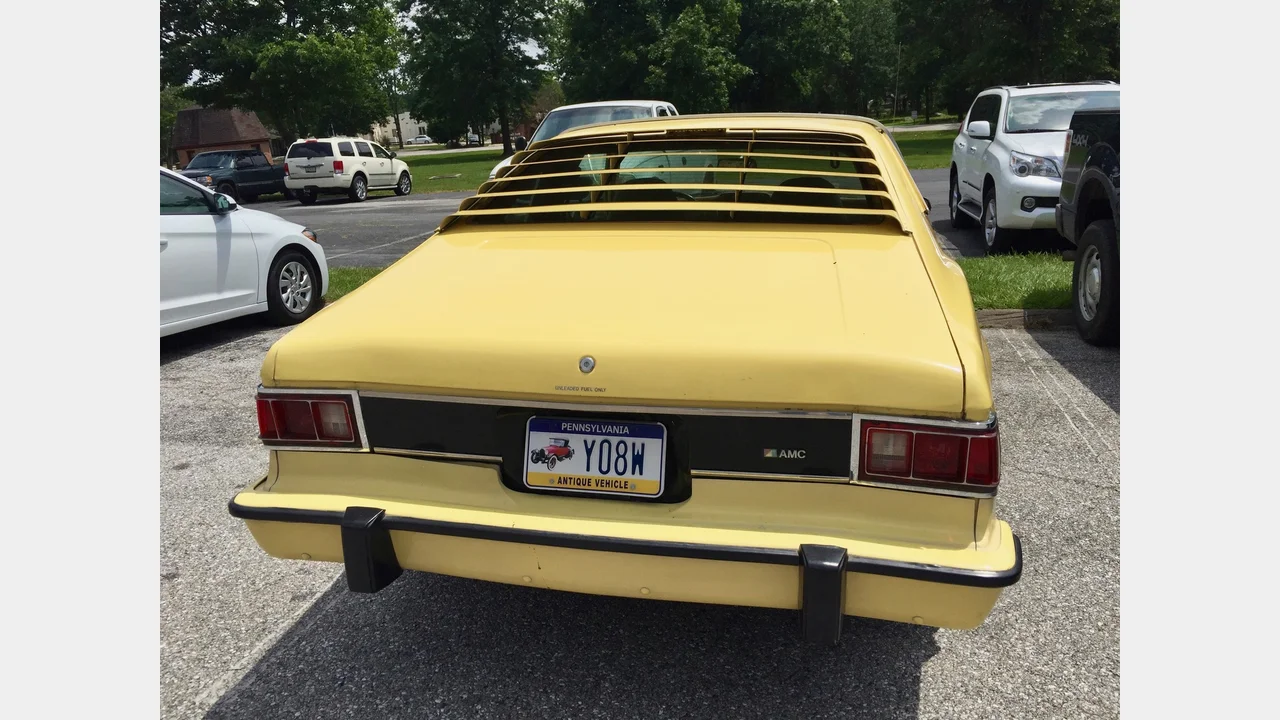
A rear windshield molding may look like a simple trim piece, but it performs several quiet jobs around the glass opening. It closes the gap between the back glass and the body, limits direct water entry, reduces wind noise, and gives the glass fitment a finished edge. Over time, sun exposure, car washes, and temperature swings can harden or distort the molding, changing seal condition and wiper contact near the lower glass. Recognizing its actual role and likely failure points helps owners understand what a replacement can and cannot correct.
Essential answer
Rear windshield molding is the formed trim that follows the edge of the back glass where it meets the roof, rear pillars, and deck area. Its primary purpose is to bridge the manufacturing gap between the glass and sheet metal so the opening sheds water cleanly instead of trapping debris. Depending on the vehicle specification, the molding may be a separate flexible strip, a rigid plastic cover, or a bonded rubber channel. It is not the adhesive that holds the glass, but it does protect the perimeter from direct weathering and helps preserve long-term water ingress resistance.
When the original piece cracks, shrinks, or lifts away from the glass, the visible gap often looks worse than the immediate leak risk. A loose molding can still allow water to sit against the pinch weld and collect dirt, which may eventually compromise the underlying seal or promote corrosion. In some designs, the lower section also supports the edge of the glass and influences wiper contact when the rear wiper sweeps. For that reason, a properly seated molding is less about appearance alone and more about keeping the glass perimeter dry, stable, and protected from constant exposure.