Why Do Rear Windows Have Black Ceramic Edges?
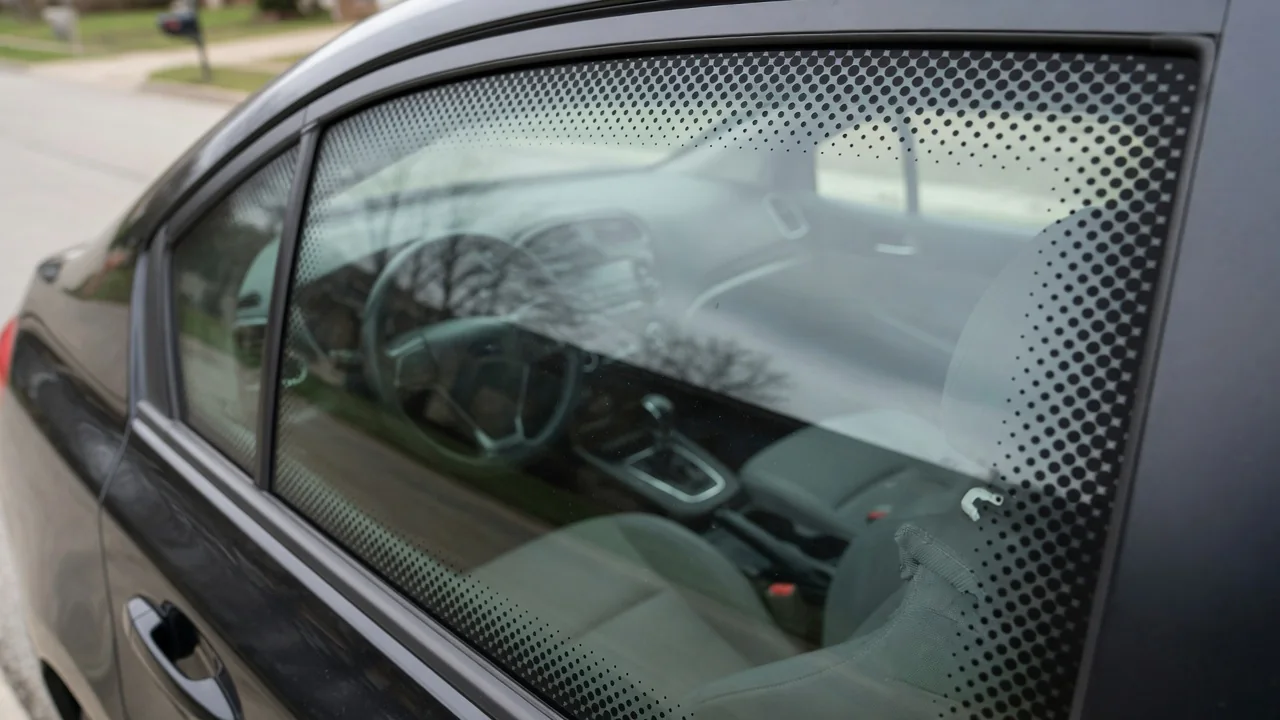
Look closely at the back glass of almost any modern car and you will see a solid black border that fades into small dots. Drivers often ask why do rear windows have black ceramic edges, and the answer involves chemistry, structure, and appearance. That band, called the frit, protects the adhesive that holds the glass in place and hides the bonding area from view.
Black band
The black band is a ceramic enamel, commonly called frit, that is screen-printed onto the inner surface of the glass and then fired during the same heating process that shapes and tempers the pane. Because it fuses into the surface, it cannot be scraped off like paint or peeled like a film. On a rear window, it usually runs around the full perimeter, forming an opaque frame between the transparent viewing area and the body opening.
At the inner edge of that frame, many windows show a pattern of dots that shrink as they move toward the clear glass. This gradient softens the visual jump from black to transparent, and it also helps spread heat more evenly while the glass is being formed, since dark enamel absorbs heat differently than bare glass. The band's width, dot pattern, and corner shapes differ between vehicles, so a hatchback, sedan, and pickup may look quite different.
Adhesion
Most modern rear windows are bonded directly to the body with a bead of urethane adhesive rather than held by a rubber gasket. The fired ceramic surface is slightly rougher than bare glass, which gives primers and adhesive a better surface to grip. A bonded window also contributes to body stiffness on many vehicles, so the quality of that joint matters for more than keeping rain out of the cabin or cargo area.
Sunlight is the other reason for the opaque border. Urethane can degrade when exposed to ultraviolet light over years, and clear glass would let that light reach the adhesive bead directly. The black enamel blocks it, shielding the bond line from outside. It also conceals the adhesive, primer, and pinch-weld flange, which would otherwise look uneven through the glass. Some older vehicles and certain trucks with gasket-set or sliding rear glass may have a narrower band or none.
Replacement
When a rear window is replaced, the frit on the new glass becomes the working surface for the installation. Technicians typically clean the band, apply the primer or activator specified by the adhesive maker, and lay the urethane bead so it lands within the black area. Glass that matches the original design places the band where the body flange sits; a poorly matched part can leave adhesive visible or shift trim alignment, which is worth checking before the job is finished.
Rear glass often carries more than the border. Defroster grid lines, antenna traces, and connection tabs are frequently printed or bonded near the frit, and some vehicles mount a camera, wiper, or high brake light at the glass. Those features vary by model and trim, so the replacement has to match the vehicle's equipment. After installation, the adhesive needs time to cure before the car is driven or washed, and the installer should state that waiting period based on the product used.
Everyday Use and Observations
In daily driving, the ceramic edge asks for almost no attention. From outside it reads as a clean dark frame; from inside it may be partly covered by trim panels or headliner. Owners sometimes notice that the dotted zone feels faintly textured under a fingertip, or that frost and condensation clear differently near the border than in the heated center of the glass. These are normal traits of printed enamel rather than signs of wear.
Aftermarket window tint is where the dots draw the most comment. Because the raised pattern holds film slightly off the glass, tint can show a lighter, hazy outline along the dotted area even when the installation is sound. Shops handle this in different ways, and results depend on how pronounced the pattern is. For cleaning, ordinary glass cleaner and a soft cloth are enough; razor blades and abrasive pads near the edge risk damaging defroster lines more than the frit itself.
Limits and Next Steps
The frit protects the bond, but it does not guarantee it. A water leak, wind noise, a musty cargo area, or rust staining at the glass edge may point to an adhesive or body problem that the black border hides from view. Fading, chipping, or a chalky look on the band itself is uncommon and deserves a closer look, especially on glass that has been replaced before, since it may hint at surface damage or an earlier repair.
Because bonded glass may be part of the body structure, resealing or removing a rear window is not a casual driveway task. The sensible next step when something seems wrong is an inspection by a qualified auto glass shop, which can test for leaks and assess the bond without guesswork. Details such as band width, embedded electronics, and adhesive requirements depend on the vehicle, so the service information for that specific model should guide any repair decision.