Why Do Car Windows Ice Up on the Inside?
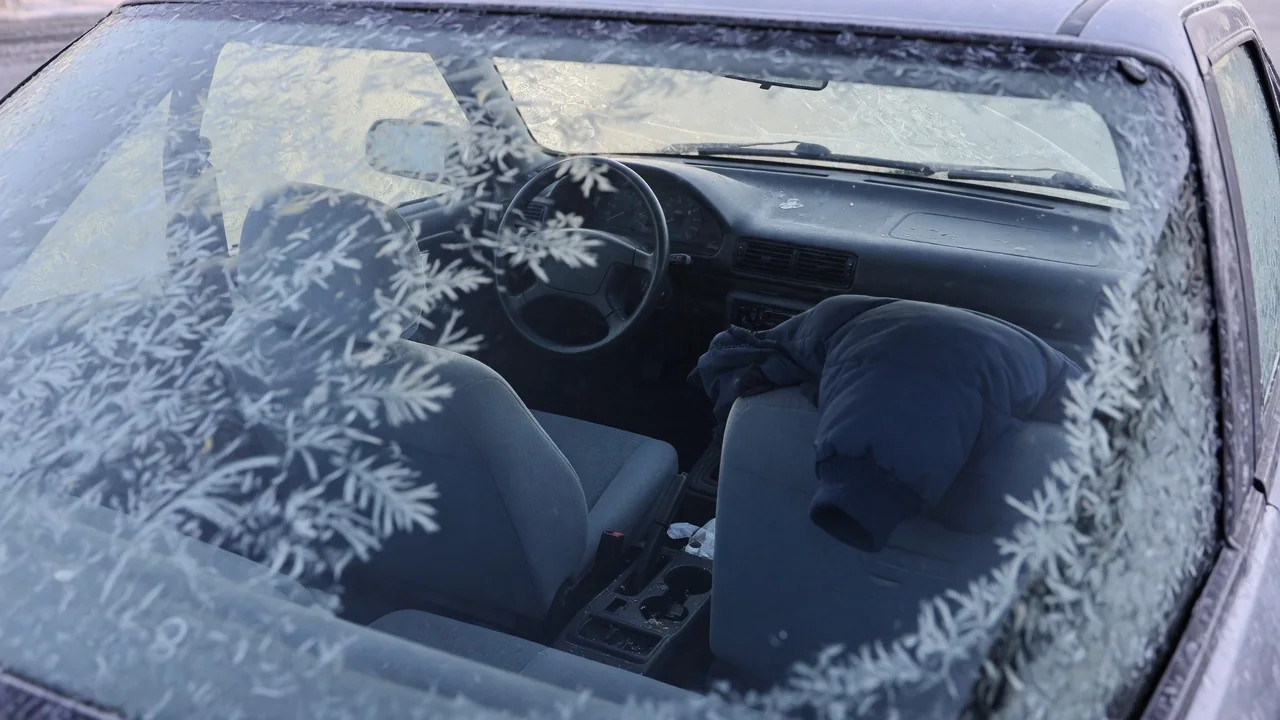
Drivers who ask why do car windows ice up on the inside usually find the answer in two ingredients: water vapor trapped in the cabin and glass that has cooled below freezing. When humid interior air touches that cold surface overnight, the vapor condenses or deposits directly as frost. Understanding where the moisture comes from makes the problem far easier to clear and prevent.
Moisture sources
Most interior frost begins with water carried into the vehicle on ordinary days. Snow packed into shoe treads melts into the carpet, wet coats and umbrellas release vapor as the cabin warms, and every occupant adds humidity simply by breathing. A hot drink left in a cup holder, a damp gym bag in the trunk or a wet dog on the back seat all contribute. Once the heater shuts off, that vapor has nowhere to go, and the glass becomes the coldest surface available for it to settle on.
Less obvious sources deserve attention when frost appears without an apparent cause. Worn door or window seals, a blocked sunroof drain, a clogged cowl drain beneath the windshield or a leaking trunk gasket can let rainwater soak into padding under the carpet, where it stays hidden for weeks. A sweet smell combined with a greasy film on the windshield may point toward coolant escaping from the heater core, although that symptom needs proper confirmation. Where drains and seals are located differs considerably between vehicle designs.
Immediate clearing
Clearing interior ice works best when heat and dry air arrive together. Starting the engine, directing airflow to the windshield and selecting fresh air rather than recirculation brings in outside air that, in freezing weather, typically holds less moisture than the cabin. Running the air conditioning alongside the heater helps because the system dries air before it is warmed, though some vehicles limit compressor operation at very low temperatures. Many cars engage this combination automatically when the defrost setting is chosen, while others require each control to be set manually.
While the vents warm up, a plastic scraper used gently on the inside surface removes the frost layer, and a clean microfiber cloth catches the meltwater before it runs into the dashboard. Wiping matters, because water left on the glass simply evaporates and refreezes later. Rear window heating elements should be allowed to work on their own, since scraping can damage the printed lines. Pouring hot water on frozen glass risks cracking it through sudden temperature change, so patient warming remains the safer approach.
Recurrence prevention
Keeping frost from returning means lowering the amount of water left in the cabin when the car is parked. Knocking snow off boots before getting in, shaking out floor mats and emptying the pooled water from rubber liners removes the largest everyday supply. Running fresh air with the fan for the final few minutes of a drive flushes humid air out before shutdown. Leaving the system on recirculation for long winter trips tends to do the opposite, steadily concentrating the moisture produced by passengers.
Absorbent products can help between drives. Reusable desiccant bags placed on the dashboard or under a seat draw vapor from the air, and they need periodic drying to stay effective. A cabin air filter loaded with damp debris can restrict airflow and hold moisture, so its condition is worth checking according to the vehicle's maintenance guidance. Clean interior glass also resists frost better, since the film left by dust, smoke and plastics vapors gives water droplets more places to cling and freeze.
Everyday Use and Observations
Patterns in daily use reveal a great deal about the cause. Frost that appears only after a snowy commute or a full car of passengers points to ordinary carried-in moisture, while ice that forms every cold night regardless of use suggests water stored somewhere in the vehicle. Heavy fogging within moments of starting the engine, a musty odor or condensation that lingers on side windows long after the windshield clears are related signs that interior humidity is higher than it should be.
Location on the glass offers further clues. Frost concentrated on one side or near a particular door may indicate a seal problem in that area, and ice heaviest at the base of the windshield can relate to water entering near the cowl. Pressing a hand firmly into the carpet in each footwell and in the spare wheel well often exposes dampness that looks dry on the surface. Short trips make matters worse, because the cabin never stays warm long enough to dry out thoroughly.
Limits and Next Steps
Good habits have limits. If frost persists after the mats are dry, the ventilation is used correctly and a desiccant has been in place for a while, the vehicle is probably taking in water or losing coolant somewhere. Saturated underlay rarely dries on its own in winter and may need to be lifted and aired, which on many vehicles involves trim removal best left to a workshop. Persistent dampness also encourages mold and can affect wiring connectors routed beneath the carpet.
A professional inspection is the sensible next step when the source stays hidden. A technician can water-test seals, check drain passages, pressure-test the cooling system and confirm whether the heating and air conditioning controls are behaving as designed. A falling coolant level, a blower that moves little air or a defrost mode that never produces warm, dry airflow are details worth reporting. Because drain routing, filter access and climate control logic vary by make and model, vehicle-specific service information should guide any diagnosis.