Why Do Cars Use Plastic Bumper Covers?
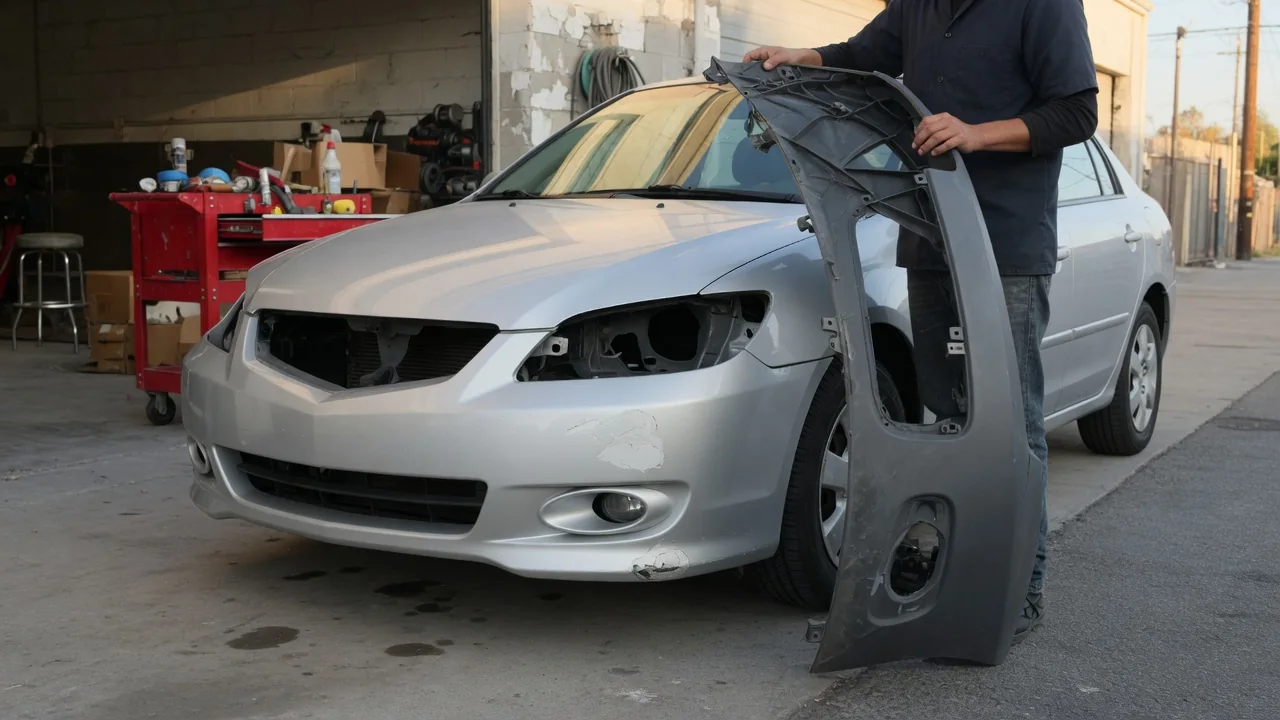
Many drivers wonder why do cars use plastic bumper covers when a bumper is supposed to protect the vehicle. The answer is that the painted panel you see is not the bumper in the structural sense. It is a flexible skin shaped for styling, airflow and pedestrian safety, while a separate reinforcement beam and energy absorber hidden behind it manage the actual impact forces.
Cover design
A modern bumper cover, often called a fascia, is typically molded from a thermoplastic blend that can flex and recover from light contact. Molding allows complex shapes that stamped steel cannot achieve economically, so designers can integrate grille openings, fog lamp pockets, air ducts and sensor mounts into one piece. The material also saves weight at the far ends of the vehicle, which helps fuel economy and handling, and it will not rust when stone chips break the paint.
Behind that skin sits the real impact structure. Most vehicles use a metal or composite reinforcement bar bolted to the frame rails or crush boxes, with a foam or honeycomb plastic absorber sandwiched between the bar and the cover. The cover simply clips and screws to brackets, fenders and the underside splash shields. Layouts vary by manufacturer and body style; some trucks still carry exposed steel bumpers, while many crossovers hide everything under a large one-piece fascia.
Damage assessment
Because the cover can spring back, its appearance after a collision is a poor guide to what happened underneath. A fascia that looks merely scuffed may be hiding a crushed foam absorber, a bent reinforcement bar or a buckled mounting bracket. The absorber is generally designed to crush once, so it may no longer offer the same cushioning in a second impact. A proper inspection usually means removing the cover or at least looking behind it rather than judging by the paint.
Owners can still gather useful clues from outside. Compare the gaps between the cover and the fenders, hood or trunk lid on both sides; a gap that has widened or closed on one side suggests something shifted. Look for a cover that sags, pushes inward easily or sits lower at one corner, and check whether parking sensors, radar cruise control or lamps behave differently after contact. Warning messages for driver assistance systems after a bump deserve vehicle-specific diagnosis rather than assumptions.
Finish and fit
Painting flexible plastic differs from painting steel panels. The surface needs adhesion-promoting preparation and coatings that tolerate flexing, which is why bumper paint may crack or peel in sheets if a previous repair was done poorly. Slight color differences between the cover and neighboring metal panels are common even from the factory, because the parts are often painted separately and metallic flakes lie differently on plastic. Viewing the car in daylight from several angles shows whether a mismatch is subtle or obvious.
Fit depends on a chain of small parts: slide brackets under the headlamps or tail lamps, retainers at the wheel arches and push clips along the lower edge. A single broken tab can leave a corner popped out even though the cover itself is undamaged. Replacement covers vary in quality, and a poorly shaped part may show uneven gaps or misaligned sensor openings. On vehicles with radar units behind the fascia, paint thickness and repair materials in that zone may matter, so manufacturer guidance should be checked.
Everyday Use and Observations
In daily driving, the plastic skin handles the small insults that would dent or chip metal: shopping carts, parking nudges, road debris and steep driveway approaches. A gentle touch often leaves only a scuff in the clear coat, and minor distortions sometimes relax on their own as the material warms. That resilience is a major reason manufacturers favor the design, since it keeps low-speed cosmetic damage from turning into corrosion or bent sheet metal.
Drivers will also notice the cover's weak points. Low front lips scrape on curbs and parking blocks, and a hard pull backward off a block can tear the lower mounting points or drag the splash shield loose. Cold weather makes plastic more brittle, so a tap that would flex harmlessly in summer may crack it in winter. Listening for new rattles, flapping at highway speed or a scraping underside helps catch loosened fasteners before the cover works further free.
Limits and Next Steps
The cover has clear limits. It contributes little to crash protection on its own, so a car with an intact-looking fascia but a damaged beam or absorber may not perform as designed in a later collision. Cracks, torn mounting tabs and deep gouges can sometimes be repaired with plastic welding and refinishing, but whether repair or replacement makes sense depends on the damage location, the material and any sensors mounted nearby. Costs and parts availability vary too widely to generalize.
After any impact beyond a light scuff, the sensible next step is an inspection by a body shop that will look behind the cover and check the reinforcement, absorber and mounting points. If the vehicle has cameras, radar or ultrasonic sensors in the bumper area, ask whether calibration is required for that specific model, since requirements differ between manufacturers. Understanding that the visible panel is cosmetic and the hidden structure does the protecting helps owners ask better questions and judge repair estimates more confidently.