Why Do Cars Have a Trip Odometer?
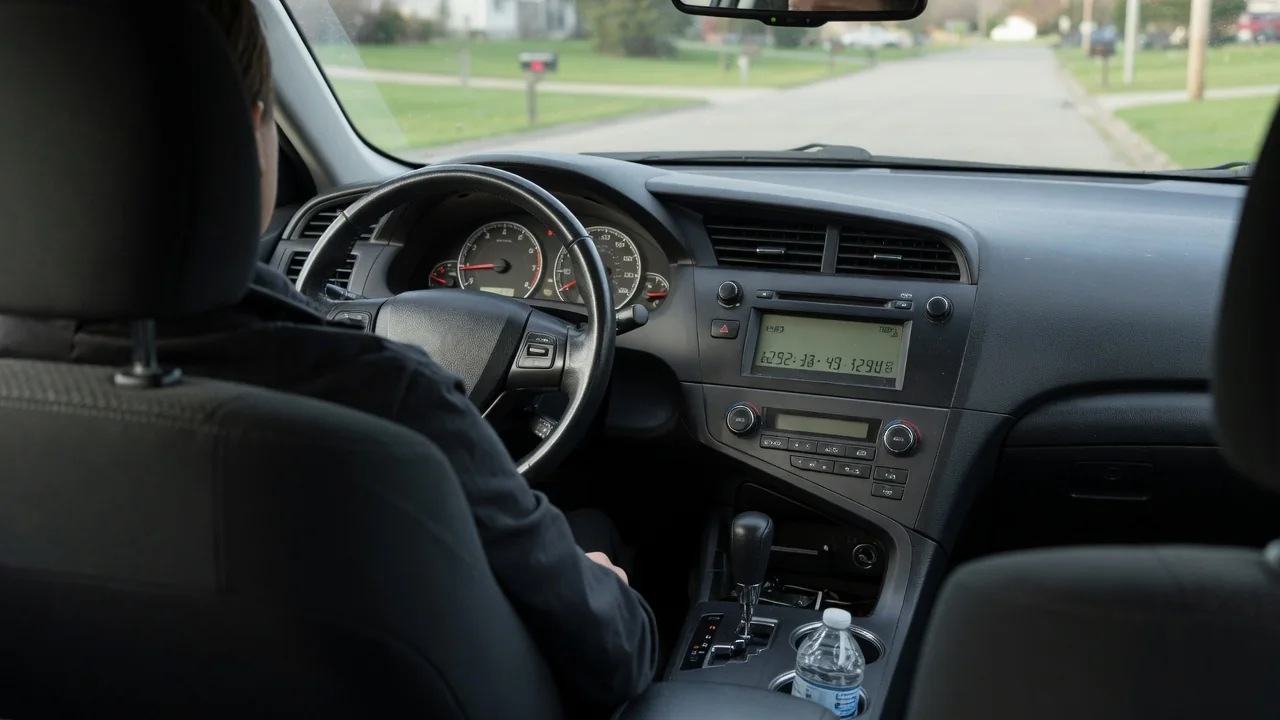
Many drivers wonder why do cars have a trip odometer when the dashboard already shows total mileage. The answer is that the main odometer keeps a permanent record, while the trip meter provides a short-term count of distance that the driver can reset. That temporary counter turns the instrument cluster into a practical tool for measuring fuel use, individual journeys, and the intervals between routine tasks.
Trip uses
A trip odometer exists to measure distance over a period the driver chooses. The most common use is tracking fuel range: resetting the counter at each fill-up shows how far the car traveled on that tank, and dividing that distance by the gallons added at the next fill gives a hand-calculated fuel economy figure. That number is a useful cross-check on the dashboard's own average, and it can reveal a gradual drop in efficiency that is worth investigating before it becomes expensive.
The same counter helps with journeys and record keeping. A driver can zero it before a road trip to see the total distance covered, measure a commute for expense or tax mileage logs, or follow written directions that call for a turn after a certain number of miles. Many vehicles provide two counters, often labeled Trip A and Trip B, so one can follow each tank of fuel while the other tracks a longer interval, such as the distance since an oil change or tire rotation.
Reset behavior
Unlike the main reading, a trip meter is designed to be cleared by the driver. On many older cars, a stem button protruding from the instrument cluster is pressed briefly to switch between displays and held for a few seconds to return the count to zero. Newer vehicles often move this function to steering wheel controls or a touchscreen menu, so the owner's manual is the reliable guide to the exact steps for a particular model and trim level.
Reset behavior also differs in what clears automatically. Some vehicles restart a trip display after refueling or after the car has been parked for several hours, while others keep counting until the driver intervenes. Related figures such as average fuel economy, average speed, and elapsed time may reset together with the distance or separately. Trip counters generally roll over to zero after reaching their maximum display value, and on some vehicles disconnecting the battery may clear them, though that depends on the design.
Difference from odometer
The main odometer records the total distance a vehicle has covered since it was built, and it is not meant to be reset by the driver. That cumulative figure supports resale value, warranty coverage, maintenance schedules, and title records, and tampering with it is illegal in the United States. The trip odometer draws on the same distance signal but stores its count as a separate, temporary value that carries no legal weight and exists purely for the driver's convenience.
The two readings usually look different as well. A trip display typically shows tenths of a mile, which makes short distances easier to measure, while total mileage is often shown in whole miles only. Older mechanical clusters used a separate small row of number wheels below the main one, and digital clusters commonly share one screen area, cycling between total mileage, Trip A, and Trip B. Resetting a trip counter never changes the permanent mileage stored by the vehicle.
Everyday Use and Observations
In daily driving, the trip meter works as a simple backup to the fuel gauge. A driver who knows roughly how far a tank usually lasts can glance at the count and judge when a fill-up is approaching, which is especially handy if a gauge reads erratically. Watching the distance per tank over several weeks also shows how cold weather, short trips, heavy cargo, or towing affect fuel consumption in real conditions rather than in laboratory estimates.
The counter is also useful for small checks. Driving past highway mile markers and comparing them with the trip reading gives a rough sense of whether the distance display agrees with the road, which matters after a change in tire size. Noting the reading when a noise, vibration, or warning light first appears helps describe the problem to a technician, and anyone renting or borrowing a vehicle can use the counter to document how far they actually drove.
Limits and Next Steps
A trip odometer is a convenience, not a precision instrument. Its accuracy depends on the same wheel or transmission speed signal as the main reading, so worn tires, different tire sizes, or a changed final drive ratio can skew the count slightly. It also remembers nothing beyond its last reset, so a forgotten or accidental clearing erases the record. For maintenance timing, the vehicle's service reminder and written receipts remain more dependable references than a counter that anyone can zero.
Getting more from the feature starts with learning how it works on the specific vehicle. The owner's manual explains how many counters are available, what the labels mean, and whether any of them reset automatically. Drivers who want a longer history can pair the trip meter with a paper log or a mileage app. If the trip display freezes, resets on its own, or stops advancing while the car moves, the cluster or speed signal deserves a professional diagnosis rather than guesswork.