Can You Reset Car Mileage? Trip Resets and Odometer Fraud
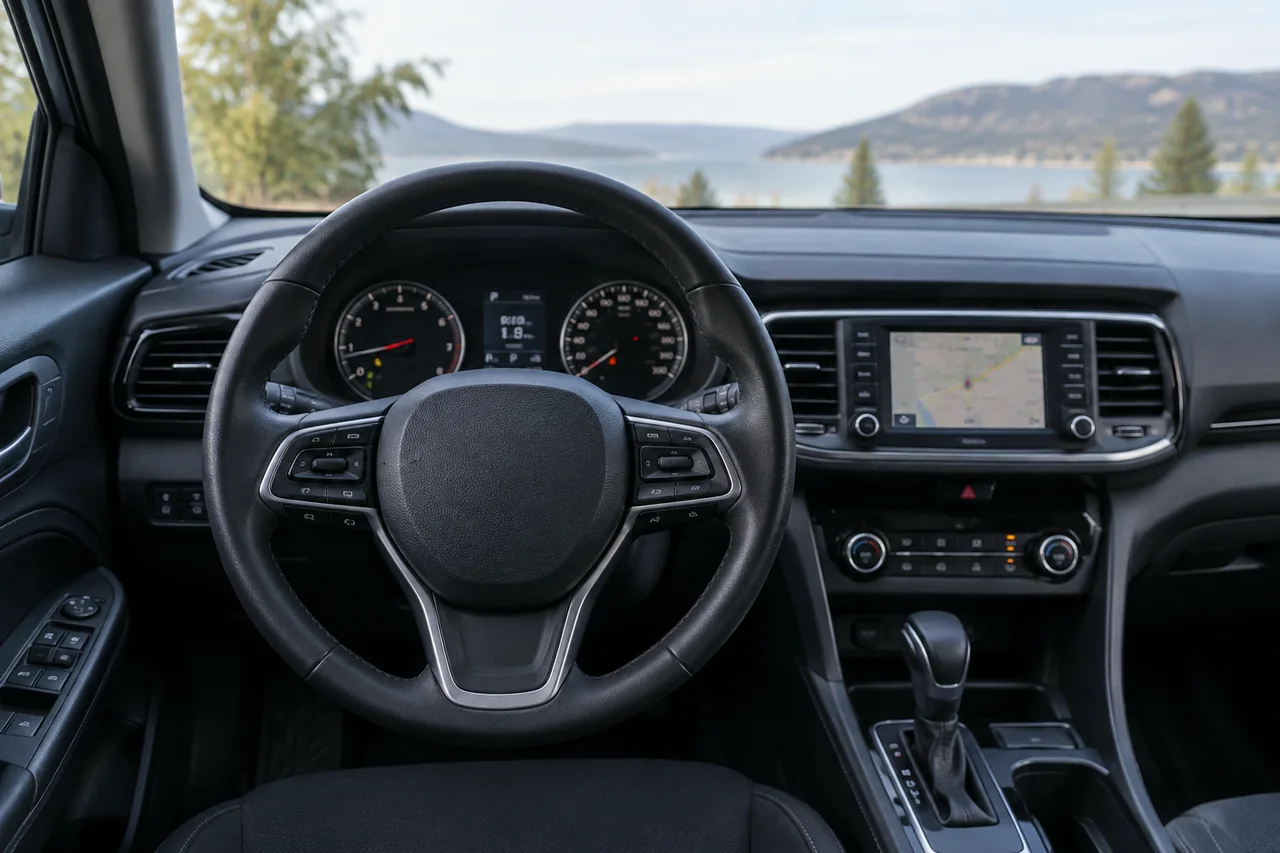
People often ask how to reset mileage on a car, or whether you can change the mileage on a car at all. The trip meter can be reset for a new journey, but total vehicle mileage cannot legally be rolled back or erased to misrepresent use. Ordinary trip controls, accurate mileage records, and buyer checks matter far more than any attempt to lower a displayed total.
What a Mileage Reset Actually Changes
The trip meter is the only mileage display a driver is supposed to clear. How do you reset the mileage on a car in that ordinary sense? Resetting a trip reading starts a new distance measurement from zero for that window while the odometer continues to show total vehicle mileage. Accumulated use cannot legitimately be erased so the car appears to have traveled less. A trip reset is a convenience for the driver, not a rewrite of the vehicle's history.
Switching the display between miles and kilometers also does not change how far the vehicle has traveled; it only converts the same distance into different units. Can you reset mileage on a car by wiping the odometer? Not as a lawful way to misrepresent use. Drivers need ordinary trip controls, accurate mileage records, and a clear view of what buyers should inspect on a used vehicle. Changing displayed units or clearing a trip window never rewrites how far that car has already gone.
How to Reset the Trip Meter Safely
Park first, then use the dashboard trip control if you need a fresh journey reading. How to reset car mileage in daily driving is a trip-meter task, and the owner's manual is the place to find that model's designated control rather than guessing at a universal button sequence. Look for a display labeled Trip A, Trip B, or an equivalent trip-distance label, then select the reading you actually intend to clear. Complete the reset with the vehicle stopped so the controls do not pull attention from the road.
Use only the vehicle's designated trip-reset control after the intended trip display is selected. How to reset mileage on a car this way is useful for measuring one journey, tracking distance since refueling, or comparing two routes with Trip A and Trip B. The odometer is left intact, so total vehicle mileage keeps accumulating. If the display does not behave as the manual describes, treat that as a service issue rather than a reason to try undocumented workarounds.
Why Past Mileage Cannot Legitimately Be Reduced
Completed miles remain part of a vehicle's history regardless of how the car looks or runs today. Engine replacement, transmission work, refurbishment, and routine maintenance do not restart accumulated mileage. How to lower mileage on a car after those jobs has a lawful answer of none: the distance already traveled still belongs to that vehicle. A newer powertrain can change mechanical condition, but it does not create a fresh odometer starting point for the car as a whole.
US law prohibits odometer tampering intended to misrepresent distance traveled. That ban targets fraud, not every legitimate odometer service that restores a failed display while preserving accurate information. Can you change car mileage to reduce what buyers see? Not without misrepresenting use. Driving less can limit additional mileage, but it cannot subtract miles already recorded. How to reduce car mileage after the fact is not a maintenance task; it is odometer rollback, which is the opposite of an honest record.
When Odometer Repair or Replacement Needs Documentation
A failed odometer or instrument cluster may need professional repair or instrument cluster replacement while preserving accurate mileage information. Can you reset the mileage on a car during that work? Only a qualified repairer should handle the display, and only to restore a truthful reading, not to reduce it. When the original figure cannot be retained, applicable mileage-preservation, labeling, and disclosure requirements still apply. Owners should not treat a blank or replacement cluster as a chance to start over.
Keep repair invoices that record the date, available mileage readings, and the reason for replacement. A new display or a changed reading does not erase the vehicle's actual history, and uncertain mileage must not be presented as a verified total. Can you change the mileage on a car through cluster work and then sell it as if the new number were original? That presentation would mislead a buyer. Odometer disclosure should match what records support, including any notation that the true distance is unknown.
Check the Mileage Timeline Before Buying
Before buying, build a dated mileage timeline from title records, service records, inspection paperwork, and a vehicle history report. Confirm every entry belongs to the same VIN and uses consistent distance units before treating a mileage discrepancy as proof of fraud. Clearing a trip meter or asking how to reset the mileage on a car will not reconcile a timeline; sequential readings will. Unexplained decreases or conflicting figures deserve investigation, while data-entry errors and documented cluster replacements can also explain an odd jump.
Interior wear, pedal shine, or seat sag can justify further questions, but those clues cannot establish actual mileage or prove odometer rollback. A mismatch in the records is evidence to interpret, not automatic proof a seller tampered with the display. Missing service entries or a clean history report also cannot guarantee an accurate odometer. Efforts to reduce mileage on a car still tend to leave dated readings that fail to line up when the timeline is complete enough to check.
What to Do When the Reading Does Not Add Up
Ask the seller for a written explanation and supporting records before committing. Arrange an independent prepurchase inspection and ask whether vehicle-specific electronic checks can help assess the discrepancy. Those electronic readings may be unavailable, inconsistent, or inconclusive, and professional testing cannot always recover true mileage. Manufacturer-dependent stored values require vehicle-specific confirmation, so an inspector's scan is evidence to weigh, not proof that a part failed or that a claimed total is true.
Review the applicable odometer disclosure and refuse a claimed total that available evidence does not support. How to reduce the mileage of a car is not a buyer's problem to solve at the curb; unexplained numbers should stop the deal. If concerns remain unresolved, pause the purchase. Preserve the listing, correspondence, and records if suspected fraud needs reporting to the relevant motor vehicle or consumer protection agency. Walking away costs less than inheriting an odometer problem you cannot honestly disclose later.