Why Can a Car Feel Normal Despite a Low Tire?
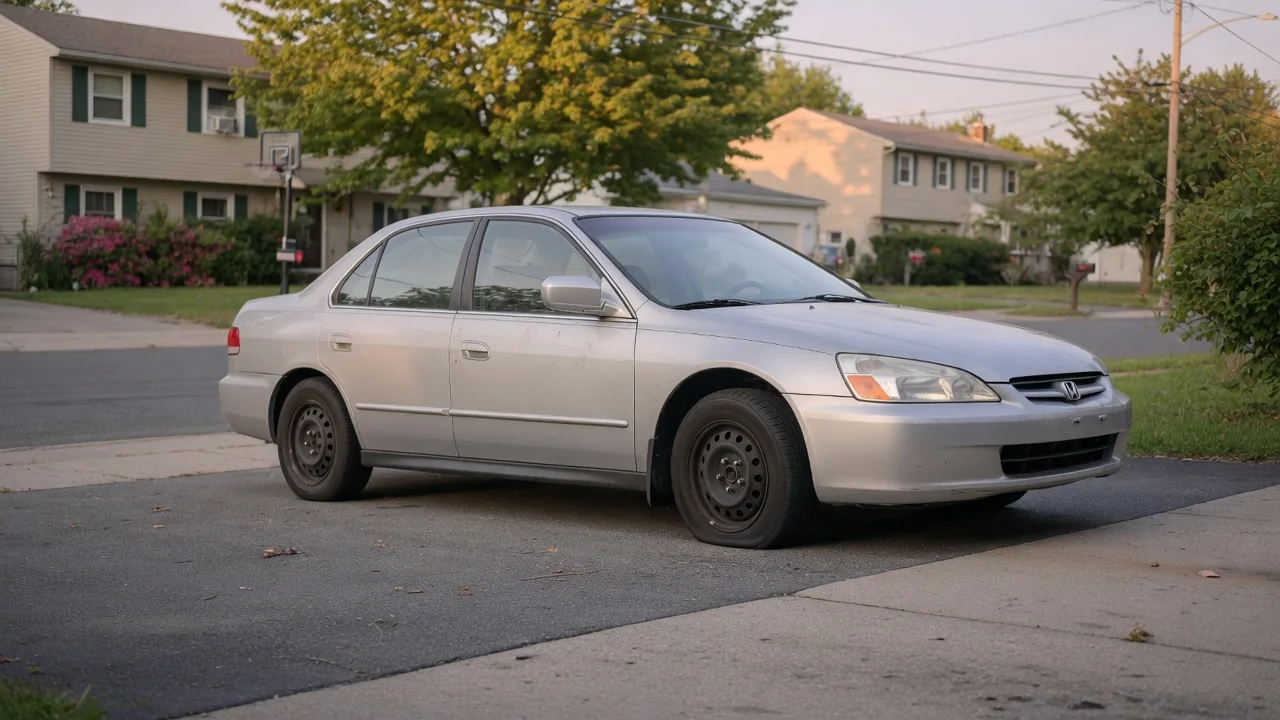
Why can a car feel normal despite a low tire? The short answer is that modern tires, suspension, and power steering hide gradual pressure loss remarkably well, and a sidewall can look nearly the same while carrying noticeably less air. Understanding those limits explains why a gauge, not a glance or a hunch, is the dependable way to know what each tire holds.
Gauge versus feel
A tire that loses air slowly changes the car's behavior in small steps, and drivers adapt to each step without noticing. Power steering assistance masks the extra effort a soft front tire creates, while suspension bushings and seat padding filter out the slightly mushier ride. On a straight highway at steady speed, a tire that is moderately under its recommended pressure can track, brake, and ride in a way that feels entirely ordinary from behind the wheel.
A pressure gauge removes that guesswork because it measures the air directly rather than relying on sensation. The reading is most meaningful when the tires are cold, since driving warms the air inside and raises the pressure temporarily. The correct target is the figure on the vehicle's tire placard, usually found on the driver's door jamb or in the owner's manual, not the maximum printed on the sidewall. Those recommended values differ between vehicles and sometimes between front and rear axles.
TPMS
A tire pressure monitoring system adds a safety net, but it is designed as a warning for significant loss rather than a precision instrument. The dashboard light generally comes on only after pressure has fallen well below the recommended level, so a tire can be meaningfully low while the warning stays dark. That gap is one reason a car may feel and look fine, show no alert, and still be running on less air than intended.
System design varies. Direct systems use a sensor inside each wheel and may display individual pressures on the instrument cluster, while indirect systems infer pressure from wheel speed differences and may only show a general warning. Indirect designs can be less sensitive when all four tires lose air together, as happens when temperatures drop in fall. Some systems also need to be reset after pressures are adjusted, and the owner's manual explains the procedure and warning behavior for a particular vehicle.
Check all tires
Checking only the tire that looks suspicious misses the point, because appearance is a poor guide. Radial tires bulge slightly at the bottom even when correctly inflated, and low-profile tires with short, stiff sidewalls can look almost unchanged with a substantial amount of air missing. Run-flat tires, built with reinforced sidewalls, hide pressure loss even more effectively. Measuring every tire in the same session gives a true comparison instead of an impression.
Comparing readings side by side also reveals patterns. Four tires that are all somewhat low usually point to normal seepage over time or a change in season, while one tire sitting clearly lower than the rest suggests a slow leak from a small puncture, a valve stem, or the seal between tire and wheel. The spare deserves a check as well where the vehicle carries one, since it often sits unnoticed for long periods and may need a different pressure than the road tires.
Everyday Use and Observations
In daily driving, the clues from a soft tire tend to be subtle and easy to blame on something else. A gentle pull toward one side, steering that feels slightly heavier or slower to respond, a bit more body lean in corners, or a small drop in fuel economy can all come from low pressure. Because road crown, wind, and wheel alignment produce similar sensations, these hints are worth noting but cannot confirm the cause without a measurement.
Temperature and load shape what a driver notices. Pressure falls as the air cools, so tires set on a warm afternoon will read lower on a cold morning, and a warning light may appear at startup and then go out as the tires warm on the road. A fully loaded vehicle or a hard braking or evasive maneuver exposes a soft tire far more than a gentle commute does, which is why the problem often stays hidden until the car is asked to work harder.
Limits and Next Steps
Feel, appearance, and even a silent dashboard all have limits, and the consequences of trusting them build quietly. An underinflated tire flexes more with every rotation, which generates heat, wears the outer edges of the tread faster, lengthens stopping distances, and reduces grip in wet conditions. Sustained driving in that state can damage the internal structure of the tire in ways that are not visible from outside, even after the pressure is corrected.
A sensible next step is a routine gauge check, with air added to the placard figure whenever a reading comes up short. A tire that keeps losing pressure after being refilled deserves inspection by a tire shop, which can look for punctures, valve problems, or wheel corrosion and judge whether a repair is appropriate. A warning light that flashes or stays on with correct pressures may indicate a fault within the monitoring system itself, and that requires vehicle-specific diagnosis rather than assumption.