What to Do When a Car Problem Cannot Be Reproduced
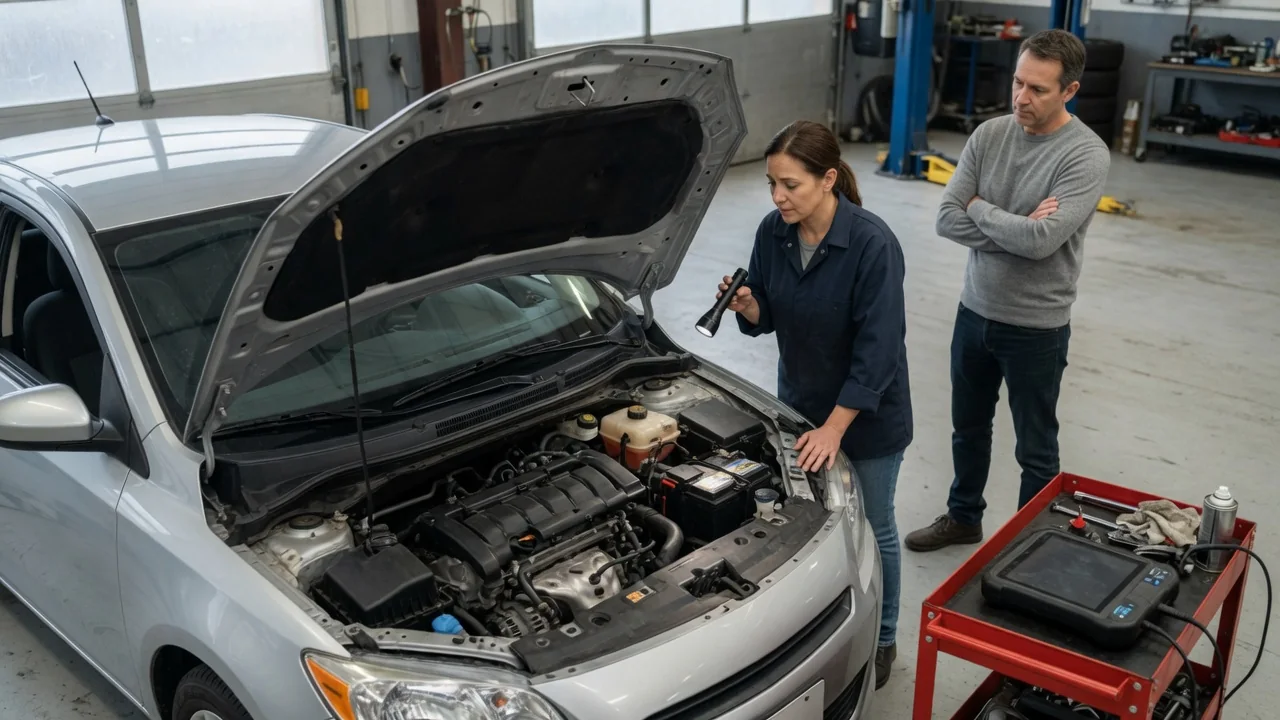
An intermittent fault is one of the most frustrating things a driver can bring to a shop. The noise, stumble, or warning light vanishes the moment a technician takes the wheel. Knowing what to do when a car problem cannot be reproduced comes down to turning fleeting moments into reliable evidence, so the next diagnostic attempt starts with facts rather than guesswork.
Document conditions
Intermittent faults usually depend on a particular combination of circumstances, so the most valuable thing a driver can capture is the setting in which the symptom appeared. Note whether the engine was cold or fully warmed up, how long the vehicle had been parked, the outside temperature, and whether it was raining or humid. A hesitation that only shows up on damp mornings points a technician in a very different direction than one that appears after an hour of highway driving on a hot afternoon.
Driving state matters just as much as weather. Write down approximate speed, whether you were accelerating, braking, coasting, or turning, the fuel level, and which accessories were running, such as air conditioning or rear defrost. Road surface is worth recording too, since a clunk over speed bumps suggests different systems than a vibration on smooth pavement. Vehicles differ in how they behave, so a hybrid, a turbocharged engine, or an all-wheel-drive model may call for extra details like drive mode or battery charge level.
Record warnings
Dashboard warnings often disappear before anyone qualified sees them, so photograph the instrument cluster the moment a light or message appears. Capture the color of the lamp, whether it was steady or flashing, and any text shown on the driver information display. Also note how the gauges looked, because a temperature needle creeping upward or a flickering battery indicator adds context. Icons and message wording vary between manufacturers, so the owner's manual is the right reference for what a specific symbol means on your vehicle.
Many vehicles store fault codes even after a warning lamp goes out, and some keep a snapshot of operating data from the moment the fault was detected. Ask the shop to check for stored and pending codes rather than relying only on what is currently lit. Keep in mind that a code is evidence to interpret, not proof that a particular part has failed, and manufacturer-specific codes need confirmation against information for your exact vehicle. Avoid clearing codes yourself, since that can erase the very data a technician needs.
Schedule follow-up
When a first visit ends with no fault found, treat it as the start of a process rather than a dead end. Ask the shop to note your description on the repair order so there is a written history, and agree on what should trigger a return visit. If the symptom tends to occur at a certain time, such as the first start of the day, arrange to leave the vehicle overnight so a technician can experience a true cold start instead of a warm engine.
Timing a return visit soon after a recurrence improves the odds, because stored data may still be available and your memory is fresh. Offering to ride along on a test drive lets you point out the exact moment and route where the issue appears. Some shops can leave a data recorder connected for several days, though availability depends on the facility and the vehicle. Bring your notes, photos, and recordings to each appointment so the same ground is not covered twice.
Everyday Use and Observations
Ordinary driving is where patterns emerge, so keep a simple log in a notebook or phone. Each entry needs only the date, a brief description, and the conditions at the time. After a few weeks, links often become visible that no single event would reveal, such as a stumble that follows every refueling or a rattle that appears only with passengers in the back seat. Frequency matters as well, since a fault that is becoming more common tells a different story than one that stays rare.
Use your senses deliberately and describe what you notice in plain terms. A smartphone audio or video recording of a noise is often more useful than any verbal imitation, provided a passenger does the recording or you are safely parked. Describe where a sound seems to come from, whether a vibration is felt in the steering wheel, seat, or pedals, and whether any smell accompanied it. Mention recent work too, including new tires, a battery replacement, or aftermarket accessories, because changes to a vehicle sometimes coincide with new symptoms.
Limits and Next Steps
Careful observation has limits, and some situations should not wait for a pattern to form. Any symptom affecting braking, steering, or the ability to maintain speed, along with overheating, a flashing engine warning, or a low oil pressure indication, deserves prompt professional attention even if it occurred only once. Do not try to provoke a fault by driving aggressively or recreating risky conditions on public roads. If the vehicle feels unsafe, having it towed is more sensible than gathering one more data point.
Be wary of replacing parts on a hunch, because guessing can be expensive and may mask the original clue. A better next step is asking whether the manufacturer has published service bulletins or open recalls that match your description, since known patterns sometimes exist for a given model. If repeated visits produce nothing, a second opinion from a shop with experience on your make, or one specializing in electrical diagnosis, may help. Your accumulated records remain valuable wherever the vehicle goes, shortening the path to a confirmed cause.