How to Explain a Car Problem Clearly to a Mechanic
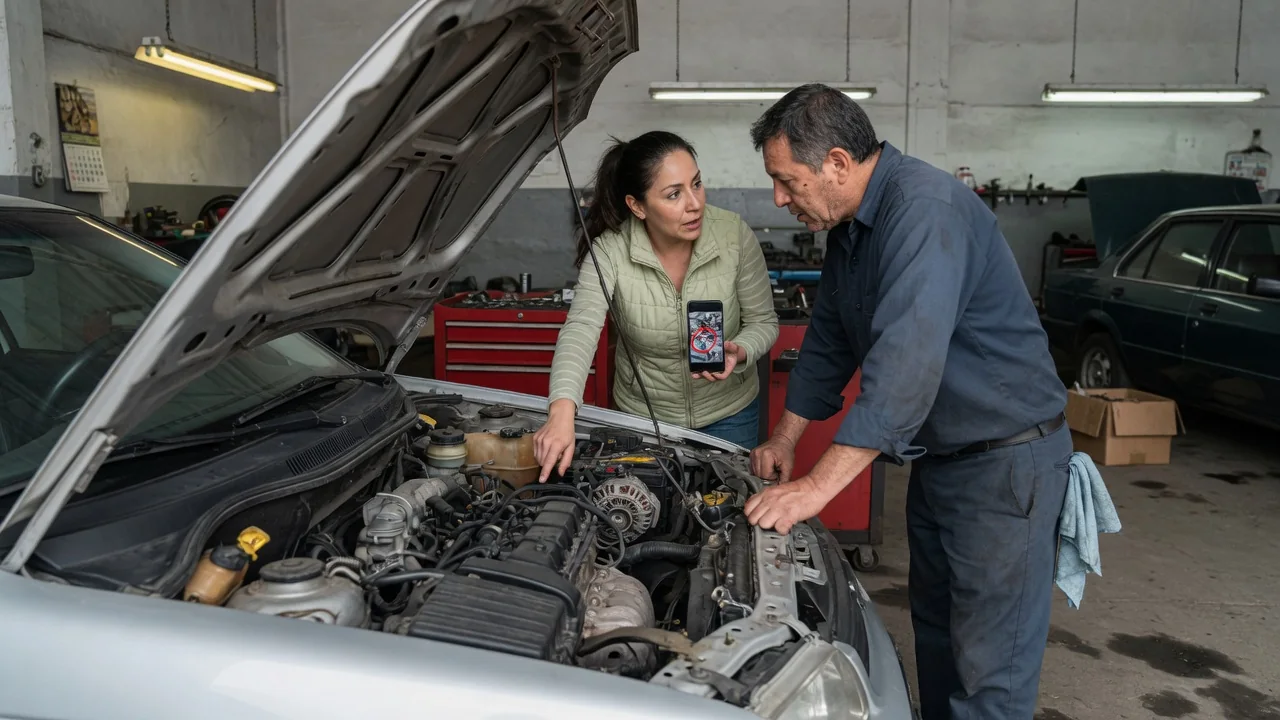
Knowing how to explain a car problem clearly to a mechanic can shorten diagnosis and reduce the chance of paying for guesswork. A technician can only test what they can reproduce, so the most valuable thing a driver brings to the service counter is a precise account of what happens, when it happens, and what changed beforehand.
When it occurs
Timing is often the single most useful clue. Note whether the symptom appears on a cold start after the car has sat overnight, only once the engine reaches operating temperature, or at random. A rough idle that clears up after a few minutes points a technician toward different systems than a stumble that shows up only after a long highway drive. Weather matters too, since some faults appear mainly in rain, high humidity, or very hot or cold conditions that affect wiring, sensors, and rubber components.
Driving conditions narrow things further. Describe the approximate speed, whether you were accelerating, cruising, braking, or turning, and which direction you were steering. A vibration felt only between certain highway speeds suggests a different inspection path than one felt under braking, and a noise that occurs on left turns but not right turns tells the shop which side to examine first. Mention load as well, such as a full cabin, a trailer, a steep grade, or air conditioning running, because added demand often exposes weak components.
Sounds and warning lights
Sounds are hard to imitate, so describe them by character and rhythm instead. A click, a squeal, a grinding, a hum, a clunk, and a rattle each suggest different sources. Say whether the sound speeds up with road speed, with engine speed, or stays constant, because that separates wheel and driveline concerns from engine-related ones. Add where it seems to come from, front or rear, left or right, under the hood or beneath the floor. A short phone recording made by a passenger can help when the noise refuses to appear at the shop.
Warning lights deserve the same precision. Report the color, the symbol or wording, and whether the light stayed solid, flashed, or came and went. A photo of the instrument cluster removes any doubt, since symbols differ between manufacturers and the owner's manual defines what each one means for that vehicle. If a parts store or a personal scanner read a fault code, pass it along, but treat it as a starting point. A code identifies a circuit or condition the computer flagged, and the technician still has to test to find the cause.
Recent work
Anything done to the vehicle recently belongs in the conversation, even if it seems unrelated. Oil changes, tire rotations, brake jobs, battery replacements, windshield work, and body repairs all involve disturbing parts, connectors, or fasteners. A new vibration that began right after tires were installed or a warning light that appeared soon after a battery swap gives the technician a logical place to look first. Bring invoices if you have them, since they show exactly which parts were fitted and when, including whether they were original equipment or aftermarket.
Be equally open about work you did yourself and about events that are not repairs. Topping off a fluid, installing an accessory, adding a remote starter or audio equipment, hitting a deep pothole, driving through standing water, or filling up at an unfamiliar station can all be relevant. Mention earlier attempts to fix the same complaint and what they changed, if anything. Knowing that a part was already replaced without curing the symptom saves the shop from repeating that step and steers testing toward wiring, software, or a related component.
Everyday Use and Observations
Day-to-day habits give context that a short test drive cannot. Explain whether the car mostly makes short trips around town, long commutes, or sits unused for days at a time. Batteries, brakes, and exhaust systems behave differently under each pattern. Describe how the fault has developed, whether it appeared suddenly or crept in over weeks, and whether it is getting more frequent. Keeping a simple log on your phone with the date, conditions, and what you noticed turns a vague memory into a pattern the technician can work with.
Use all your senses and report what you actually observed. Smells such as burning, sweetness, fuel, or a rotten-egg odor are meaningful, as are spots under the car, where their color and position can hint at which fluid is escaping. Note changes in feel, such as a soft brake pedal, heavier steering, a pull to one side, harsh shifts, or a drop in fuel economy. Describe symptoms and leave the diagnosis open. Saying the car hesitates when pulling away from a stop is more helpful than announcing which part you believe has failed.
Limits and Next Steps
Even a careful description has limits. Intermittent faults may not appear during a shop visit, and a technician cannot confirm a repair for a problem they never witnessed. Offer to ride along on a test drive and recreate the conditions, or ask whether leaving the car overnight would help with a cold-start complaint. Expect that diagnosis may take paid time and that the same symptom can have several causes depending on the make, model, engine, and equipment, so the answer for one vehicle may not apply to another.
Before handing over the keys, ask for the complaint to be written on the repair order in your own words, and request a call with findings and an estimate before any work begins. Afterward, ask what was tested and what was found, so the record helps if the symptom returns. Do not keep driving to gather more observations if the car shows a flashing engine light, a red warning for oil pressure, temperature, or brakes, or any change in braking or steering. In those cases, stop safely and arrange a tow.