What to Check When Picking Up a Car After Service
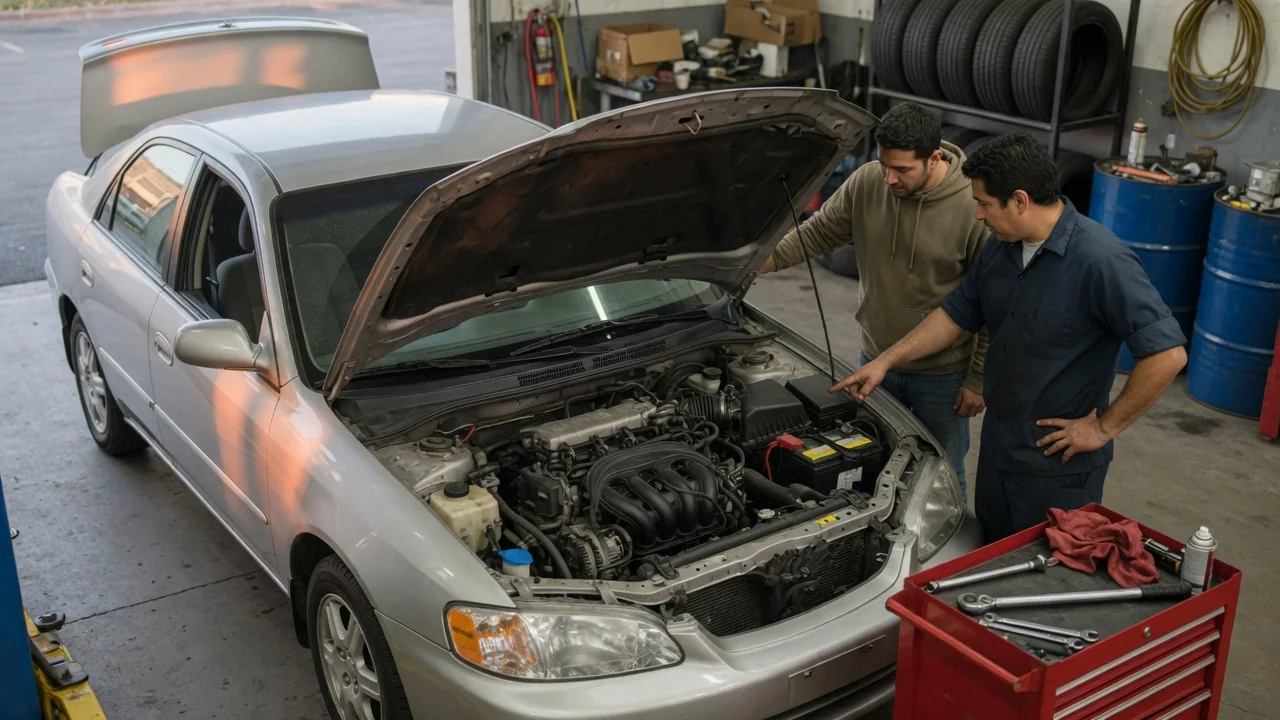
Knowing what to check when picking up a car after service takes only a few minutes and can save a return trip. Before driving away, it helps to compare the paperwork against the work requested, walk around the vehicle, and confirm that the problem that prompted the visit is actually gone. The service counter is the easiest place to raise questions.
Review invoice
The invoice or repair order is the shop's written account of what was done, so read it line by line before paying. Each line should match something you authorized, whether that was an oil change, a brake inspection, or a diagnosis of a warning light. Look for the parts listed, the labor described, and any fluids added. If a line item is unfamiliar, ask the advisor to explain what it addressed and why it was needed, since additions made without approval are easier to resolve at the counter than later.
Check that the recorded mileage, vehicle identification details, and date are correct, because service history and warranty claims often depend on accurate records. Notes from the technician deserve attention too; they may mention worn tires, a seeping gasket, or brake pads approaching replacement that were observed but not repaired. If a fault code was read, remember that it points toward a system to investigate rather than proving a component failed, so ask what testing confirmed the diagnosis. Formats differ between dealerships and independent shops, but the essentials should be present.
Inspect vehicle
Walk around the car in good light before leaving the lot. Compare the body panels, wheels, and glass with how you remember them, looking for fresh scratches, grease smudges, or curb marks on the rims. Inside, check the seat, steering wheel, and carpets for dirt, and note whether the seat and mirror positions were moved. If wheels were removed for tire or brake work, it is reasonable to ask whether the fasteners were tightened to specification, since the correct value varies by vehicle.
A quick look under the hood can confirm the basics without touching anything hot. The oil filler cap, coolant reservoir cap, and dipstick should be seated, and no rags or tools should be left behind. Glance at the ground under the engine bay for fresh drips after the car has sat for a moment. On the instrument cluster, see that warning lights come on briefly at startup and then go out, and that any maintenance reminder was reset if that was part of the service. Layouts and reminder systems differ by make.
Test original symptom
The most important check is whether the complaint that brought the car in has actually been resolved. If the issue was a squeal under braking, a vibration at highway speed, or an air conditioner blowing warm, try to recreate the same conditions as closely as is safely possible. Some symptoms can be verified in the parking lot, such as a window that would not close or a rough idle. Others only appear at a certain speed or temperature, so a short drive on nearby roads may be needed.
Intermittent faults are harder to confirm, and a quiet first drive does not always mean the cause was found. Ask the advisor what the technician found, what was done to verify the repair, and whether they were able to reproduce the symptom beforehand. If a warning light was the original concern, understand that some systems need several drive cycles to complete their self-checks, and that behavior depends on the manufacturer. If the symptom returns before you leave, going straight back inside gives the shop the best chance to examine it while it is present.
Everyday Use and Observations
The first few days of normal driving reveal things a short test cannot. Pay attention to how the brake pedal feels, whether the steering wheel sits centered on a straight road, and whether any new noise, smell, or vibration has appeared. A faint burning smell shortly after some work can come from residue on hot components and may fade, but a persistent odor or visible smoke deserves a prompt call. New brake components may also feel slightly different at first; ask the shop what to expect for your vehicle.
Look at the spot where the car is parked overnight. A fresh patch of oil, coolant, or other fluid under the area that was serviced is worth reporting, along with its color and location. After an oil change, checking the level on the dipstick on level ground, where the vehicle has one, confirms it sits within the marked range; some cars use an electronic gauge instead. Tire pressure readings on the dash, if equipped, should also look consistent across all four corners after a rotation or tire service.
Limits and Next Steps
A pickup inspection has limits. An owner cannot see inside a transmission, measure brake wear without tools, or confirm that an internal repair was performed correctly, and attempting to disassemble anything to verify it is neither safe nor necessary. What you can do is confirm the visible basics, keep the paperwork, and ask to see replaced parts if the shop retains them. Policies on returning old parts and on warranty coverage for the repair vary between shops, so ask about them before leaving rather than assuming.
If something seems wrong afterward, contact the shop promptly and describe what you observe, when it happens, and how it compares with the original complaint. Avoid continuing to drive if a red warning light appears, the brake pedal feels soft, the engine overheats, or a wheel area makes a new knocking sound; having the car towed is the safer choice. Keep the invoice and any notes about dates and mileage together, since a clear record makes a follow-up visit faster and supports any claim under the shop's repair guarantee.