What Size Windshield Wiper Blades Do I Need? How to Find the Right Fit
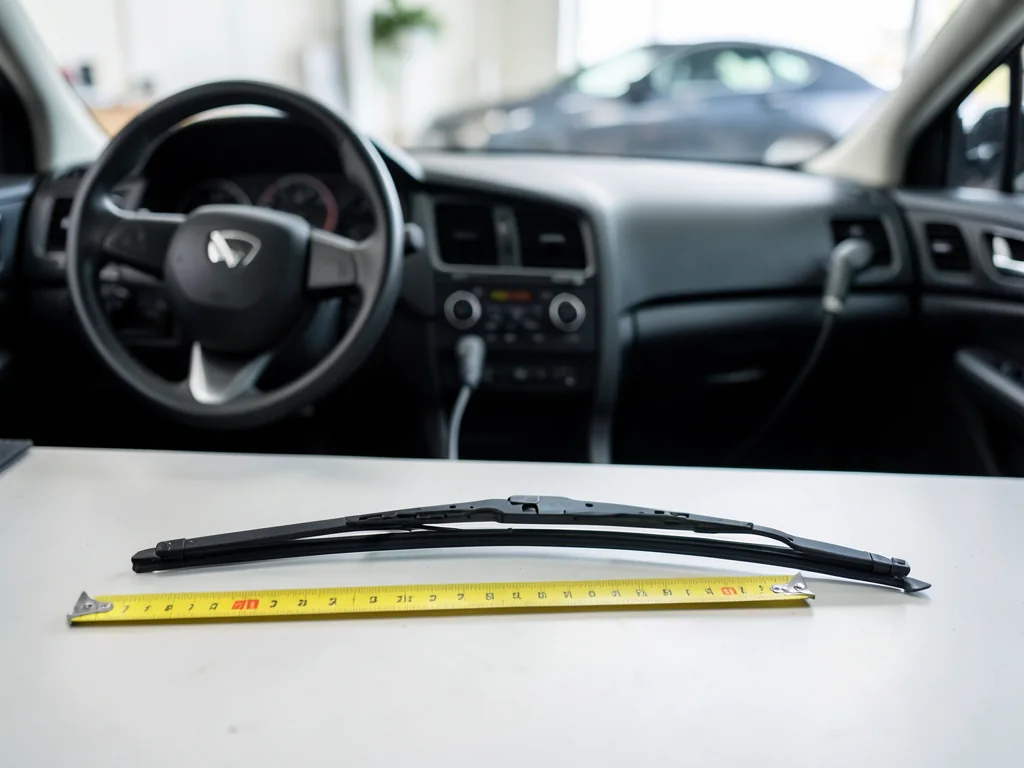
Wiper blades are inexpensive, but the wrong length or connector wastes a trip and can leave part of your view uncleared. There's no single standard size. The right blades depend on your specific vehicle. This guide explains how blade length is stated, why the two front positions often differ, how to read fitment listings, and what to check before you rely on new blades in the rain.
Find the Required Size for Each Wiper Position
The correct blade sizes depend on your vehicle and on each wiper position. Start by gathering the model year, make, and model, plus any detail a fitment source asks for, such as body style, trim, or production date range. Those details matter because a sedan and a wagon that share a name can use different glass and arm geometry. Driver and passenger blades often differ in length to suit the windshield's curvature, where each arm pivots, and how the two sweeps overlap. Neither side is automatically the longer one, so never guess by symmetry.
Look in your owner's manual first. Many manuals list blade specifications in the maintenance or specifications section, but not every one does. If the sizes aren't there, use a vehicle-specific fitment listing from a blade maker or parts retailer. Write down each position separately: driver, passenger, and the rear wiper on hatchbacks, wagons, and SUVs. Rear blades are often a different length and may mount differently, so treating the rear blade as an afterthought is a common reason for a second trip to the store.
Understand Blade Length and Measure the Existing Blades
The size printed on a blade package is the nominal length of the blade assembly, usually given in inches in US retail listings. It doesn't describe the metal wiper arm, which stays on the car. Because the figure is nominal, a physical measurement may land slightly off a round number, and that's normal. To cross-check, run a tape measure from one end of the existing blade to the other. Measure the assembly as it sits. Don't flatten a curved beam blade or press a frame blade straight.
Park the vehicle and switch the wipers off so nothing moves unexpectedly. Some vehicles need a service position before the arms can be lifted away from the glass, so follow the manual rather than forcing an arm upward against resistance. Keep hold of a raised arm, because a spring-loaded arm that snaps back can crack the windshield. Record each measurement by position, but keep in mind that a previous owner or shop may have installed the wrong length. If a number looks odd, trust vehicle-specific fitment data over the old blade.
Read a Wiper Size Chart or Vehicle Finder Result
A blade finder asks for the year, make, and model, and sometimes the body style or engine, then returns recommended blades. Enter the details exactly, because settling for the nearest match in a dropdown is how mistakes happen. A printed size chart works the same way, except you find the matching row yourself. Look for separate driver, passenger, and rear entries, and read any footnotes. Charts often split a model by body style or date range, and a note about a special arm can change which product is correct.
Length is only one part of the result. Before you buy, confirm that the specific product lists your vehicle in its application. Also check that its connector information matches your arms, whether the blade attaches directly or uses a supplied adapter. If two sources disagree, for example a chart showing one length and a retailer's finder another, recheck the year, body style, and any date-range split first. If the conflict remains, contact the blade manufacturer or ask a parts specialist to verify the fit before you pay.
Use Rain-X and Michelin Fitment Listings
If you're looking for a Rain-X size chart or Michelin sizing, what you need is that brand's vehicle application information. Brands usually offer it as an online lookup, a printed catalog, or a guide at the store display. Use it like any other finder: enter your exact vehicle and read the result by position. Match the exact product line, not just the brand. Different blade lines from the same company can use different connector systems, so a length listed for one line doesn't prove another line's blade will fit.
Read the application notes for the product you choose. A listing may specify which adapter to use, show that a position isn't covered by that line, or flag a particular arm style. Don't assume compatibility beyond what the listing says. If your vehicle doesn't appear at all, don't borrow the result from a similar model or a related vehicle on the same platform, because small differences in the arms or glass can matter. Contact the manufacturer or ask at a parts counter, where staff can check current catalog data.
Check the Connector Before Choosing a Universal Blade
Windshield wiper blades are not universally interchangeable. Three things have to line up: the length, the way the blade attaches to the arm, and whether the blade is approved for your vehicle. A package labeled universal usually means the blade comes with adapters for several common arm types. That covers more vehicles, but it doesn't make the blade fit everything. These products still publish application limits, and some arm designs aren't covered at all. Check that your vehicle is listed rather than trusting the label on the box.
It helps to know the basic connector types. A hook arm ends in a U-shaped bend that the blade slides onto. Push-button and pinch-tab styles release the blade when you press a button or squeeze tabs. Other designs exist too, so don't guess which one your car uses without looking at the arm or checking the fitment data. A matching length also doesn't prove the blade will lock securely or press evenly against your windshield's curve. Rear wipers often need a dedicated assembly rather than a front-style blade.
Confirm Fit and Safe Wiping Before Driving
Before checkout, run a short check. Confirm that the vehicle details match exactly and that you have the right blade for each position. Make sure the nominal lengths agree with the manual or fitment listing, the product's application includes your vehicle, and the required connector or supplied adapter is included. Don't size up for extra coverage. An unlisted longer blade can hit the windshield trim or the other blade, or sweep past the intended area onto the frame. A shorter one can leave an uncleared gap.
Install the blades according to the vehicle and blade instructions. Then confirm each one is firmly latched and doesn't shift when you tug it gently. With the vehicle parked, wet the windshield and run the wipers through several cycles while watching the full sweep. Streaking, chatter, or missed patches can come from a worn arm, dirty glass, or an adapter that isn't fully seated, so they don't prove a size error on their own. If the blades collide, strike trim, or look loose, stop using them and get installation help.