How Often Should You Replace Windshield Wiper Blades?
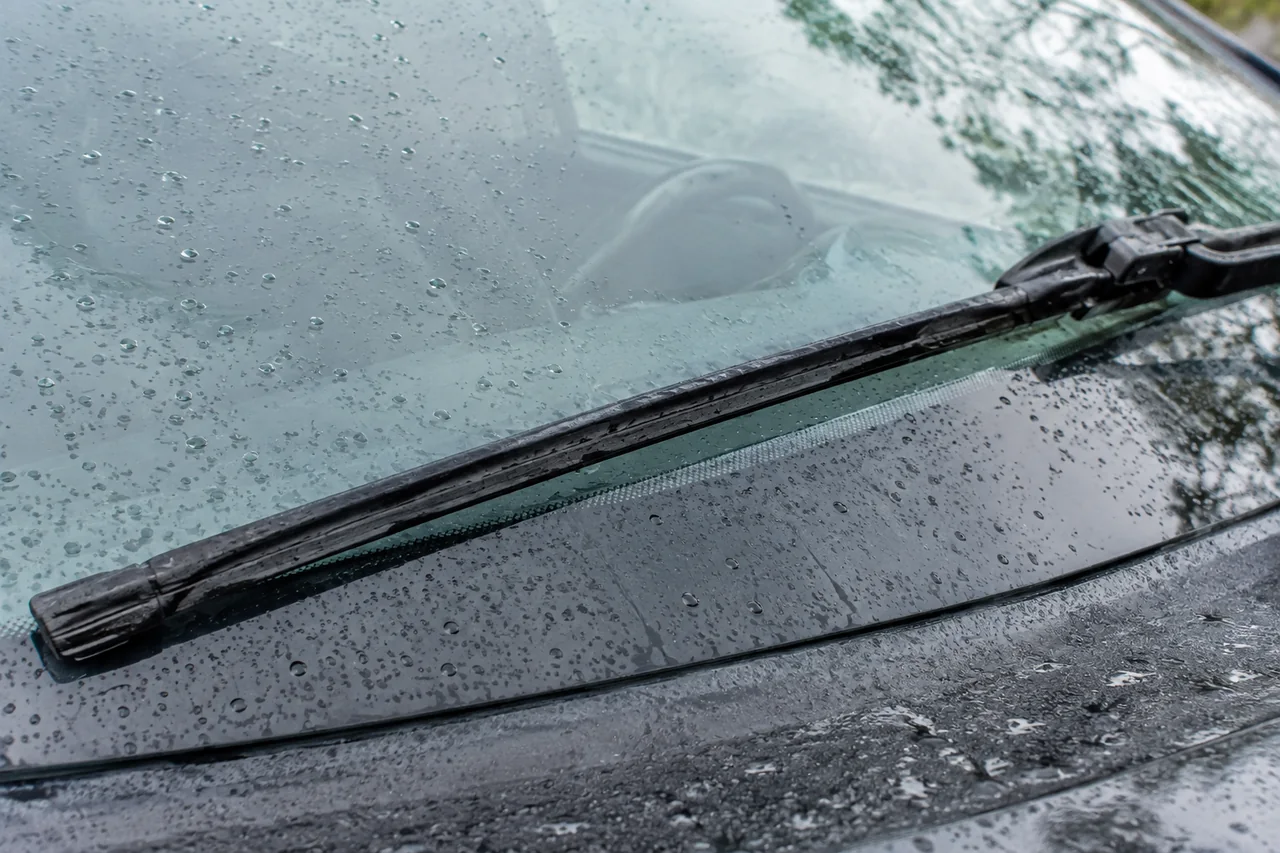
How often you change windshield wiper blades depends on manufacturer guidance, climate, and how well the rubber still clears wet glass. Blades do not fail on a fixed schedule. Sun exposure, freezing weather, windshield contamination, and a worn wiping edge all shorten wiper blade lifespan. Streaking, skipping, chattering, and cracked rubber are the practical signals that it is time to replace them so wet-weather visibility stays reliable.
How Often Wiper Blades Need Replacement
Vehicle and blade makers publish replacement intervals that answer how often windshield wiper blades should be replaced under typical use. Follow that guidance as a starting point, then judge the blades by how they actually wipe. When damage or persistent poor wiping leaves water on the glass and compromises visibility, the blades need replacement regardless of the printed interval. A set that still seats evenly and leaves a clear, dry path can remain in service until the next inspection.
A calendar note is still useful because wear builds slowly and a driver can adapt to a slightly worse view without noticing. Treat that date as a reminder to inspect, not as proof the blades have failed or still work. One freeze, a stretch of intense sun, or a nick from debris can ruin a recently installed pair. Conversely, blades past the usual interval may still clear well. If you see cracked rubber or the windshield stays streaked after a few passes, replace them even if the reminder has not come due.
Why Wiper Blade Lifespan Varies
How long windshield wiper blades last is not a single number. Wiper blade lifespan tracks sun exposure, how often the arms sweep, the amount of grit and film on the glass, and how the rubber itself is aging. A pair on a vehicle parked in open sun will harden faster than an identical pair kept in a garage. Frequent rain, dusty roads, and freezing weather all change the timeline. That is why two cars of the same model can need new blades at very different times.
Even when a blade is still within a typical service window, that window does not mean the rubber will keep the windshield clear in a storm. Safe wiping depends on a flexible, intact edge that stays in contact with the glass. Rubber keeps oxidizing, flattening, and taking a set while a parked vehicle sits in the sun. Low mileage does not preserve that edge. A rarely driven car stored outdoors can smear on the first wet drive because the blades aged in place even though they almost never ran.
Streaking, Skipping, and Damage That Signal Trouble
Persistent streaking is the first clue many drivers notice. Fine lines of water, uncleared patches in the driver's sight line, and a smeared film that flares headlights all cut wet-weather visibility. Skipping and chattering, where the blade hops or stutters across the glass, also deserve a look. Those noises and hops do not, by themselves, prove the rubber is worn out. A dirty windshield, a dry surface, a bent arm, or contamination on the wiping edge can produce the same stutter.
Visible damage is a clearer reason to change the affected blade. Cracks, tears, rubber that has pulled away from its backing, and a nicked, rounded, or uneven wiping edge cannot recover with more washer fluid. If the view becomes unsafe while you are already driving, slow down and stop somewhere safe. Correct the problem before you continue through rain, snow, or heavy spray. Continuing with a smeared windshield when you need working wipers leaves too little time to see hazards.
Weather and Habits That Shorten Blade Life
Sun exposure ages wiper rubber even when the arms never move. Heat and ultraviolet light dry the compound, so it stiffens, cracks, and loses the flex needed to follow the curve of the glass. Ozone, road salt, and wide temperature swings add to that breakdown. Grit, sand, pollen, and road film trapped under the wiping edge act like fine sandpaper. Each pass then nicks the rubber and leaves the thin streaks that show the edge is no longer smooth.
How you use the wipers matters as much as the climate. Sweeping dry glass creates extra friction that scuffs the edge. Using the blades to scrape ice or packed frost can tear the rubber or strain the arms. In freezing weather, blades often freeze to the windshield overnight, and switching them on before the glass thaws can rip the edge clean off. Vehicles parked outside and wipers that run through long rainy stretches generally wear faster than blades on a garaged car that sees only occasional showers.
Safe Checks Before Blaming the Blades
Judge wiping performance only while the vehicle is safely parked. Wet the glass with washer fluid or wait until it is already thoroughly wet so the rubber is not dragged across a dry windshield. Watch where streaks begin and whether one blade is the source. Then switch the wipers off and follow the vehicle's instructions for lifting or reaching them without straining the arms. With the system at rest, look along the rubber for trapped leaves, grit, cracks, and tears.
Cleaning the glass and the blade rubber according to the manufacturer can remove film, wax, and sap that cause streaking even when the rubber is still sound. A clean windshield often restores even contact. Cleaning cannot mend torn or cracked rubber, and it will not reshape a flattened wiping edge. If the blade still fails to sit evenly, the arm moves in an unusual path or parks in the wrong place, or washer fluid never reaches the glass, have the wiper system assessed rather than assuming a new blade is the only fix.
A Practical Routine for Tracking Blade Condition
Write down the installation date in a maintenance log or a phone note so you know how long the current set has been on the car. Inspect the blades during ordinary vehicle care, such as a wash, a fill-up, or scheduled service, and again before trips that are likely to involve rain or snow. Include the rear wiper if the vehicle has one. A streaked back window hides following traffic and makes reversing and lane changes harder in wet weather.
Between inspections, keep leaves and grit off the windshield and out of the cowl at the base of the glass so debris cannot chew the rubber. Fully defrost the windshield before operating blades that may be frozen in place. After that, let condition decide how often you should change your windshield wiper blades. Keep a set that is intact and still clears a clean path. Replace any blade with damaged rubber or persistent poor wiping instead of waiting for the next calendar reminder.