Best Windshield Wiper Blades: A Guide to Fit, Quality, and Brands
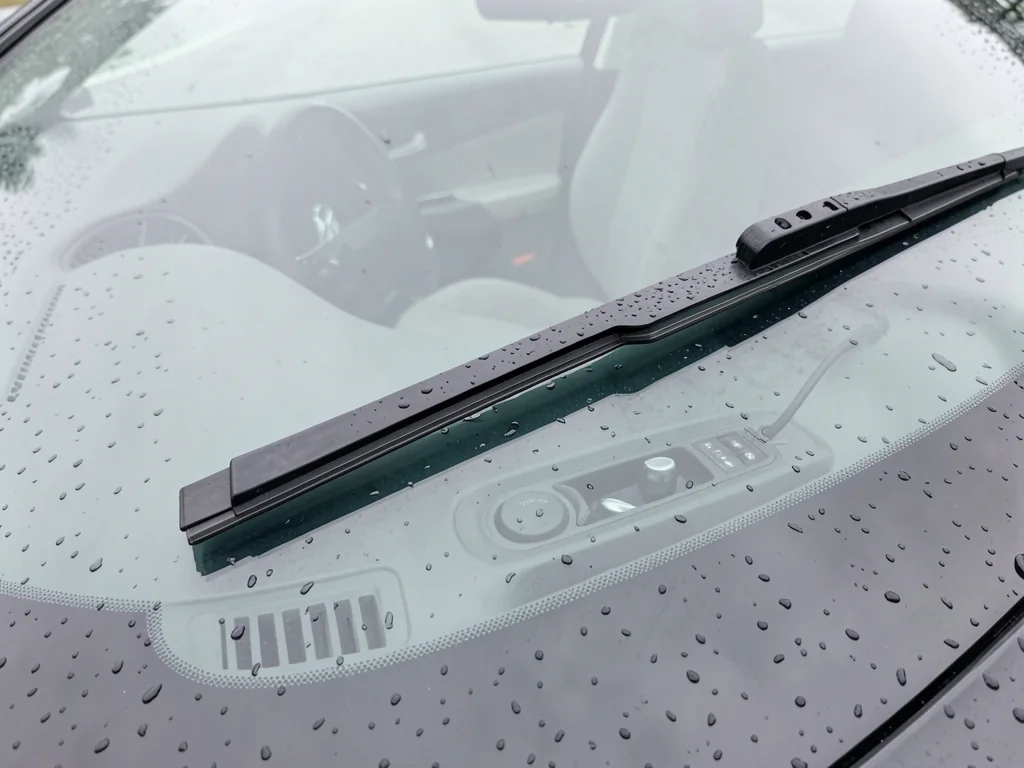
Choosing the best windshield wiper blades has less to do with finding one famous product than with matching a well-made blade to your vehicle, weather, and driving habits. A blade that fits correctly, stays in steady contact with the glass, and clears water without streaks or noise is doing its job. This guide covers how to judge fit, construction, brands, OEM claims, quietness, durability, and reviews.
Start With Correct Fit and Clear Visibility
A suitable blade starts with correct fitment. It has to attach securely to the wiper arm connector, match the length the vehicle was designed for, and hold even pressure across the curve of the windshield so the rubber edge touches the glass along its full length. When those conditions are met, the blade should clear the swept area evenly. A blade that looks impressive on the shelf but leaves unwiped bands or lifts at highway speed is the wrong blade for that car.
Check sizes in the owner's manual, then confirm them in a blade manufacturer's fitment catalog by year, make, model, and sometimes trim. Driver, passenger, and rear positions often need different lengths and connector types, so matching one measurement does not prove a blade fits. From there, base the choice on your vehicle, your climate, and what you actually see when the wipers run, whether that is winter smearing, summer haze, or lift at speed. No single blade is best for everyone.
Understand Blade Construction and Premium Claims
Conventional frame blades use a metal or plastic frame with several pressure points that hold the rubber against the glass. Beam blades replace that frame with a curved spring-steel spine inside the rubber, which spreads pressure along the length and leaves fewer places for ice to build up. Hybrid blades combine a jointed internal structure with an aerodynamic outer shell. Each design can work well when it suits the windshield's curve, and each can perform poorly when it does not.
The wiping element itself matters. Natural or synthetic rubber blends, silicone compounds, and graphite or similar coatings are meant to reduce friction, while a cleanly cut edge helps shed water without streaking. Those labels describe what the maker intends, not guaranteed results. Treat the word premium as a claim to check against documented construction, clear fitment support, and warranty terms. A budget label tells you just as little. A cheap blade that fits properly may outperform an expensive one that does not.
Evaluate Established Wiper Brands by Product Line
Bosch, Rain-X, TRICO, and ANCO are well-known names that many drivers come across when shopping for blades, and they are reasonable places to start. Still, one brand name covers many products. Each company usually sells several lines with different construction, materials, and intended uses. So asking who makes the best blade gets you nowhere until you narrow it down to a specific product line and the exact application listed for your vehicle.
Labels like entry-level, mainstream, and premium show where a product sits within one maker's range. They are not independently verified quality grades, and they don't mean the same thing from one brand to the next. Better signs of a brand worth trusting come from its support: a fitment lookup that covers every wiper position, clear installation instructions for each connector, written warranty terms, and customer service you can actually reach if a blade doesn't fit or wears out early.
Check What an OEM Wiper Listing Actually Means
Original equipment means parts installed at the factory, but product listings use the term loosely. A genuine automaker service part is sold through the vehicle manufacturer's parts network. An original equipment supplier claim means only that the blade maker has supplied some automaker at some point. An OEM-style label usually just means the product is sold as a replacement. These are different statements, and only the first ties the part directly to your vehicle's factory specification.
Before you treat any OEM wording as proof of fit, confirm the exact application and connector for each wiper position. A supplier's relationship with one automaker does not mean every retail blade it sells matches the one your car came with. Also check whether the listing is a complete blade or only a refill insert. Refills only work if your current blade is built to take a replaceable element, and some designs are not.
Identify the Conditions Behind Quiet Wiping
Squeaking, chatter, and skipping are symptoms, not diagnoses. They can come from wax, road film, or oily residue on the glass, a hardened or damaged rubber edge, the wrong blade or connector, or an arm that isn't holding the blade at the right angle or pressure. Because several causes make similar noises, a quiet-operation claim only means something when you know the conditions: how clean the windshield was, how wet the glass was, whether the blade fit correctly, and how the test was run.
A few safe checks can help narrow down the cause. With the car parked and the glass fully wet, run the wipers and watch whether each blade flips smoothly at the end of its stroke or hops across the glass. Turn the wipers and ignition off before looking closely for trapped debris, nicks, or a rounded edge. If chatter continues on clean glass, contact looks uneven, or an arm seems bent or weak, have a professional inspect it rather than bending anything yourself.
Judge Durability Through Condition and Use
How long a blade lasts depends heavily on environment and use. Sunlight and heat can harden and crack rubber, cold can stiffen it, road grit wears down the edge, and ice can tear it when a frozen blade is forced to move. A car parked outside in a hot, sunny climate or a snowy region may wear out blades differently than one kept in a garage in mild weather. Rubber and silicone each have fans, but neither comes with a guaranteed lifespan or is proven to outlast every alternative.
Replace blades based on their condition, not the calendar. Splitting, torn or rounded edges, a loose rubber element, and streaks that remain after you clean both the glass and the blade are clear signs. Gentle care that follows the owner's manual also helps. Clear ice and snow from the windshield before running the wipers, carefully free blades that are frozen to the glass, avoid running them on dry glass, and use washer fluid instead of dragging blades across a dusty windshield.
Read Reviews for Evidence That Applies to Your Vehicle
The most useful blade reviews name the exact product line, the vehicle and wiper position, the connector, the local climate, and how long the reviewer has used the blade. Separate first-week impressions, like easy installation or a quiet first rain, from reports on performance over several months, including any gradual return of noise or streaking. Favor reviewers who explain how they tested, disclose sponsorship, and describe what they actually saw instead of offering only praise.
Star ratings squeeze very different experiences, including buyers' fitment mistakes, into a single number. A lone complaint may come from a wrong size or dirty glass rather than a bad blade, so look for patterns instead. Before you buy, confirm the fit for every position using the manual and a fitment catalog. Check that the blade's construction is actually documented rather than just labeled, read the warranty and support terms, and give the most weight to reviews from drivers whose vehicles and weather resemble yours.