How Much Do Windshield Wiper Blades Cost to Replace?
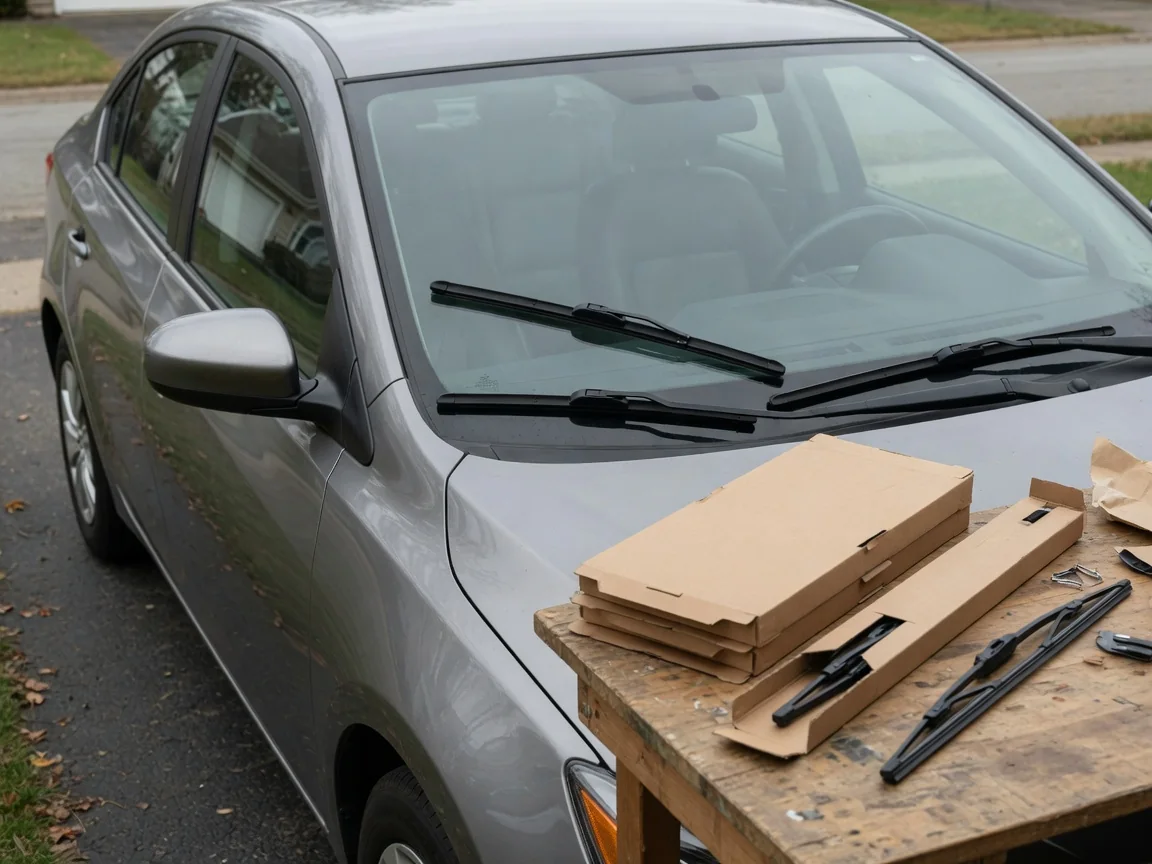
Few maintenance items are as inexpensive or as important to safe driving as wiper blades, yet the cost of windshield wiper replacement can vary more than many drivers expect. The price depends on blade construction, length, connector style, how many blades you need, and whether someone else installs them. The ranges below are approximate US planning figures to help you judge a replacement quote. They are not firm prices.
Budgeting for a Front Wiper Blade Replacement
For a typical passenger vehicle, a broad planning estimate for two front blades is roughly $20 to $100 for parts alone, or about $20 to $140 with installation, before sales tax. These are approximate ranges, not current quotes or hard limits, and a particular store, region, or vehicle can land outside them. Use them to judge whether the cost to replace windshield wipers looks reasonable. They don't promise what you will pay at the counter.
The scope here is the removable blade that clips onto the end of each wiper arm. It does not include the arms themselves, the wiper motor, the linkage that connects them, or any chip or crack repair to the glass. Each of those is a separate job with separate pricing. When comparing prices, check what the quoted amount actually covers: one blade, a front blade pair, or a package that adds a rear wiper blade. The same dollar figure means very different value depending on that quantity.
What One Blade and a Front Pair Typically Cost
When people ask how much a windshield wiper costs, they usually mean one front blade, and a reasonable estimated parts range is about $10 to $50 each. That puts a front pair at roughly $20 to $100 for parts. Where a vehicle lands in that span depends mostly on the blade design and its length, since longer blades use more material and sometimes more complex frames. Simpler designs generally cost less, while frameless designs with specialty attachments tend to cost more.
Read the package quantity carefully. Many windshield wiper prices shown on shelves or product pages are for a single blade, so a low number that looks like a bargain for a full set may cover only one side. The driver and passenger positions on many vehicles also use different lengths, so each blade may be sold and priced individually rather than as an identical pair. Confirm fitment for both positions using your vehicle details before assuming two of the same blade will work.
Estimated Price Ranges by Blade Type
Windshield wiper blade cost also depends on blade construction. As approximate per-blade parts ranges, conventional frame blades, which use a metal or plastic frame with several pressure points, often run about $10 to $25. Hybrid blades, which combine a frame with an aerodynamic cover, commonly fall around $15 to $35. Beam blades, which use a flexible spring-steel band inside a one-piece frameless body, typically land near $20 to $50. These ranges overlap, so a hybrid priced above a beam blade is not unusual.
These construction labels describe design, not a fixed quality grade. Price within any type shifts with blade length, the rubber compound or coating, whether the arm needs a specialty connector, the brand, and each seller's markup. A higher price can reflect any of those factors. On its own, though, it does not show that a blade fits your arm, wipes cleanly across your windshield's curve, or lasts longer. Check correct fitment and installation first, whatever the price.
Installation Charges and the Total at Checkout
If you install the blades yourself, the total generally stays within the parts-only range, as long as the blades fit your arms and no extra adapter or hardware is needed. For a straightforward front pair, an estimated installation charge runs from $0 to about $40. Some parts stores and quick-service shops include fitting with the purchase. Others charge labor per blade, a flat fee, or a minimum service charge, so identical blades can produce different totals at checkout.
Ask for a replacement quote that separates parts, installation, tax, and any shop fees, and that states whether labor is charged per blade or per visit. That breakdown makes it easier to compare a shop price with buying the blades and fitting them yourself. If you do the work, follow the vehicle manual and the blade packaging instructions. If you're unsure how to set the wipers in a service position or release the connector, get help rather than forcing parts, since an arm snapping back can damage the glass.
Fitment Details That Can Change the Purchase
Correct fit depends on several details together: year, make, and model, the blade position, the required length, and the connector style on the arm. Length alone is not enough, because two blades of the same size can use different attachments, such as hook, pin, side-lock, or push-button designs. Parts catalogs and in-store lookup tools use these vehicle details to narrow the choices. Treat a rear wiper blade, found on many hatchbacks, SUVs, and wagons, as a separate quote item, and check whether an advertised set actually includes it.
Some vehicles use specialty attachments or vehicle-specific blade assemblies, and a dealer parts counter may price differently. Any of these can push a quote outside the broad planning ranges. Rubber refills, universal adapters, and complete blade assemblies are all widely sold, but don't assume any of them fits until you've checked the fitment information for your exact vehicle and arm. A cheaper blade that needs an adapter it doesn't include, or that won't lock in securely, can end up costing more in time and return trips.
When New Blades May Not Resolve the Problem
Visible splits in the rubber, persistent streaking, chattering, or areas the blade keeps missing are all reasons to inspect the blades closely. These signs point toward the wiping system, but on their own they don't show the cause. Road film, wax, bug residue, or grit on the glass or blade edge can produce similar symptoms. Clean the windshield and the rubber edge the way the vehicle instructions recommend, then test again with washer fluid. That helps you tell a dirty surface from worn rubber before you spend money on new blades.
If the wipers don't move, move erratically, park in the wrong position, or still wipe poorly after correctly fitted new blades, the problem may be in the arms, linkage, motor, switch, or wiring. Those symptoms call for professional diagnosis and a separate repair estimate, since blade pricing does not cover that work. How long blades last varies with climate, sun exposure, and use, so there is no universal replacement interval. Deal with poor visibility promptly, and avoid driving when you can't keep the windshield clear.