Winter Wiper Blades, Heaters and Covers: Do You Need Them?
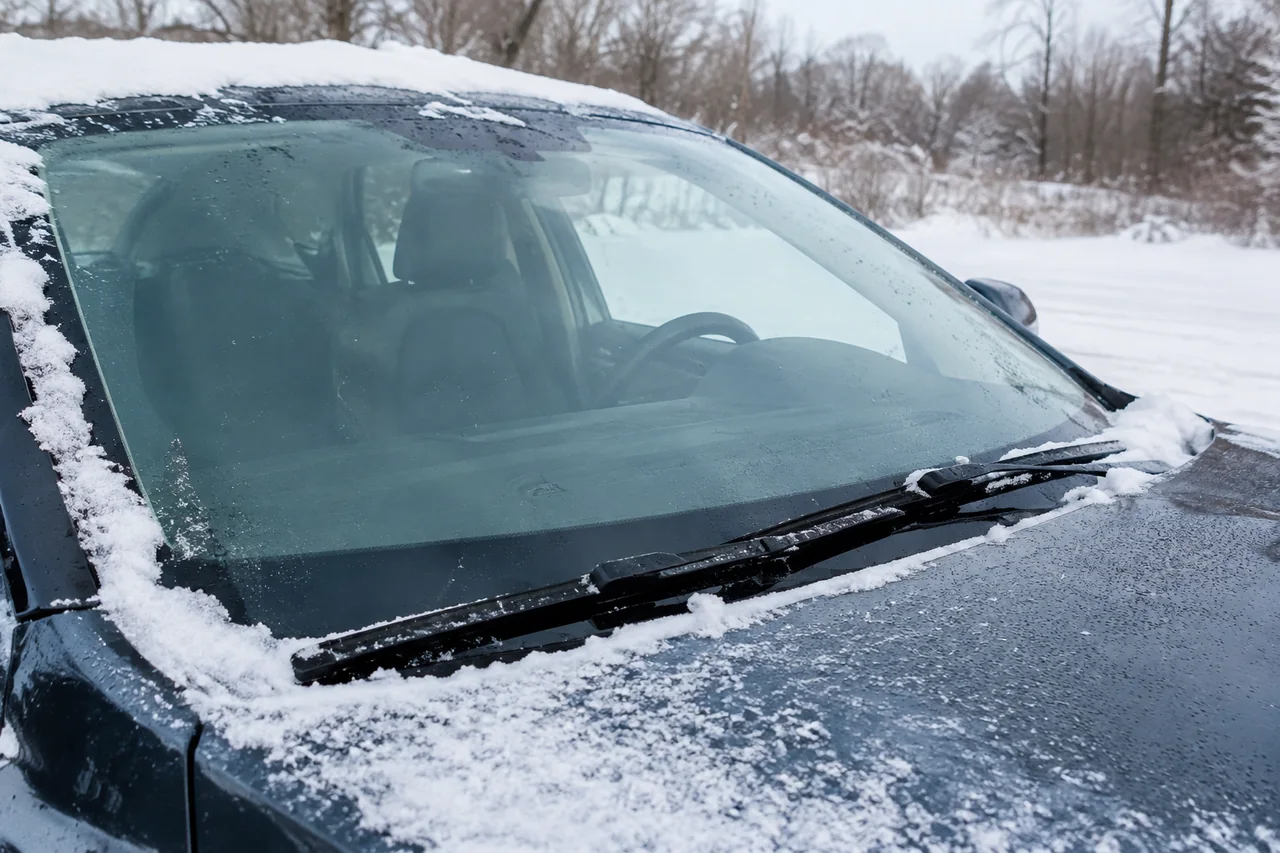
Snow, sleet and freezing rain can turn an ordinary wiper into a chattering, streaking blade that barely touches the glass. Winter windshield wiper options include cold-weather blades, heated windshield wiper blades, wiper heaters and protective covers, and each one handles a different part of the problem. Knowing what each product actually does helps you decide whether your vehicle needs it and how to keep the wipers working safely through ice and snow.
What Winter Wiper Blades Can Handle
Windshield wiper winter blades are built to keep the wiping edge pressed against curved glass when temperatures drop. Rubber and similar compounds stiffen in the cold, and a stiff edge skips over the windshield instead of following it. Winter designs usually try to keep the blade flexible and leave fewer places for ice to collect. Ice packed into a frame or around pressure points lifts sections of the edge off the glass and leaves unwiped bands directly in your line of sight.
Many winter windshield wiper blades use a covered frame, often a rubber boot over a conventional bracket, or an enclosed beam with no exposed joints. Construction varies, so a winter label alone does not tell you how a blade is built. These designs matter most if you regularly drive through freezing precipitation and notice the blades icing up during normal use. They still need a cleared windshield, though. No wiper blade can safely scrape away ice bonded to the glass, and trying will damage the edge.
Choosing Winter Blades That Fit Your Vehicle and Conditions
The best windshield wiper blades for winter are the ones that fit correctly and keep working in your conditions, not the ones with the boldest packaging. Start by confirming fit. Check the vehicle application, the driver and passenger blade lengths and the blade connector type in the owner's manual, the blade maker's fit guide or a parts counter lookup. Include the rear wiper if your vehicle has one, since a rear blade can use a completely different length and attachment style.
Beyond fit, look for blades that stay flexible in the cold, attach securely enough not to loosen when iced, and contact the glass evenly along their full length. Check any stated temperature rating, installation requirements and wiper arm clearance limits, because a bulky winter blade may hit the hood or cowl on some vehicles. Think about how much snow and ice you actually see, whether you park outdoors and whether your current blades already streak. No blade, even the best winter windshield wiper, prevents every streak in slush and road spray.
What Heated Blades and Wiper Heaters Actually Warm
Heated windshield wiper blades and windshield wiper heaters are not the same thing. Some products put a heating element inside the blade itself. Others warm a strip of windshield or the wiper park area where the blades rest when switched off. Before judging the benefits, find out exactly what a specific system heats. The heat is meant to slow ice buildup on the blade and loosen blades frozen to the glass at rest. It won't deice the whole windshield the way a defroster does.
How well a heater works depends on outside temperature, wind, how hard it's snowing or sleeting, and how long the system has been running, so results vary from one storm to the next. Before buying, confirm that the product fits your vehicle, and check its power requirements, how it is controlled and what installation guidance the manufacturer provides. If wiring or other vehicle modifications are involved, have a qualified installer do the work rather than improvising electrical connections. Even a working heater does not remove the need to brush off snow and restore full visibility before driving.
Using Wiper Covers and Windshield Snow Covers While Parked
A windshield wiper cover can mean two different products. Blade sleeves slip over individual wipers to keep ice off the rubber. A windshield and wiper cover spreads across the glass and may also extend over the blades and the wiper park area. Check whether a particular cover actually reaches the parked wipers, because covering that area keeps blades from freezing to the base of the windshield. Compare the cover's dimensions with your glass and note how it attaches, whether by door flaps, straps, magnets or elastic edges.
Secure windshield wiper covers according to their instructions, and lay them over a clean surface so you don't trap grit that can scratch the glass or damage the wiping edge. Don't tuck a cover in a way that forces the wiper arms upward or bends them sideways against their spring tension. Remove every cover before operating the wipers or driving. If a cover freezes in place, let the defroster or milder temperatures loosen it gently rather than pulling on it, since yanking can tear the blade or strain the arm.
Clearing Snow and Freeing Frozen Wipers Safely
Before starting the vehicle or clearing snow from the windshield and wipers, turn off automatic or rain-sensing wipers and set the wiper stalk to off. That way, frozen blades cannot switch on unexpectedly and tear against the ice. Remove loose snow with a suitable snow brush, working from the roof down so it does not slide back onto cleared glass. Run the windshield defroster as your owner's manual directs, and only let the engine run with the vehicle outdoors, never in a garage or enclosed space.
Let frozen blades come free on their own as the glass warms. Don't force the arms, use the wipers to push heavy snow, or pour hot water on the windshield, which can crack cold glass. Lift the wiper arms only if the owner's manual allows it, the hood leaves enough room and you have used any required service position. Hold each arm firmly, because it can snap back against the windshield. Drive only when you can see clearly, and stop somewhere safe if visibility gets worse.
When Cleaning, Replacement or Professional Testing Is Needed
Once the blades have thawed, inspect them on clean glass. Look for tears, a rounded or chipped wiping edge, a loose connection at the connector and streaking that remains after the windshield has been washed. Clean the rubber gently as the blade manufacturer recommends to remove road film and salt residue. If you can see damage, or the blades still wipe poorly after cleaning, replace them, ideally before a stretch of snowy commuting when streaking is hardest to tolerate.
Use winter washer fluid labeled for the temperatures you expect. If the washer system freezes, let it thaw instead of running the pump over and over. A wiper that stalls, grinds, makes unusual noise or sweeps unevenly is a reason to stop using it and have it inspected by a professional. Visible ice, streaking or weak movement alone cannot tell you whether the fault is in a blade, arm, linkage, motor or heater circuit. A technician can test the system instead of guessing at parts.