What Is Privacy Glass in a Car?
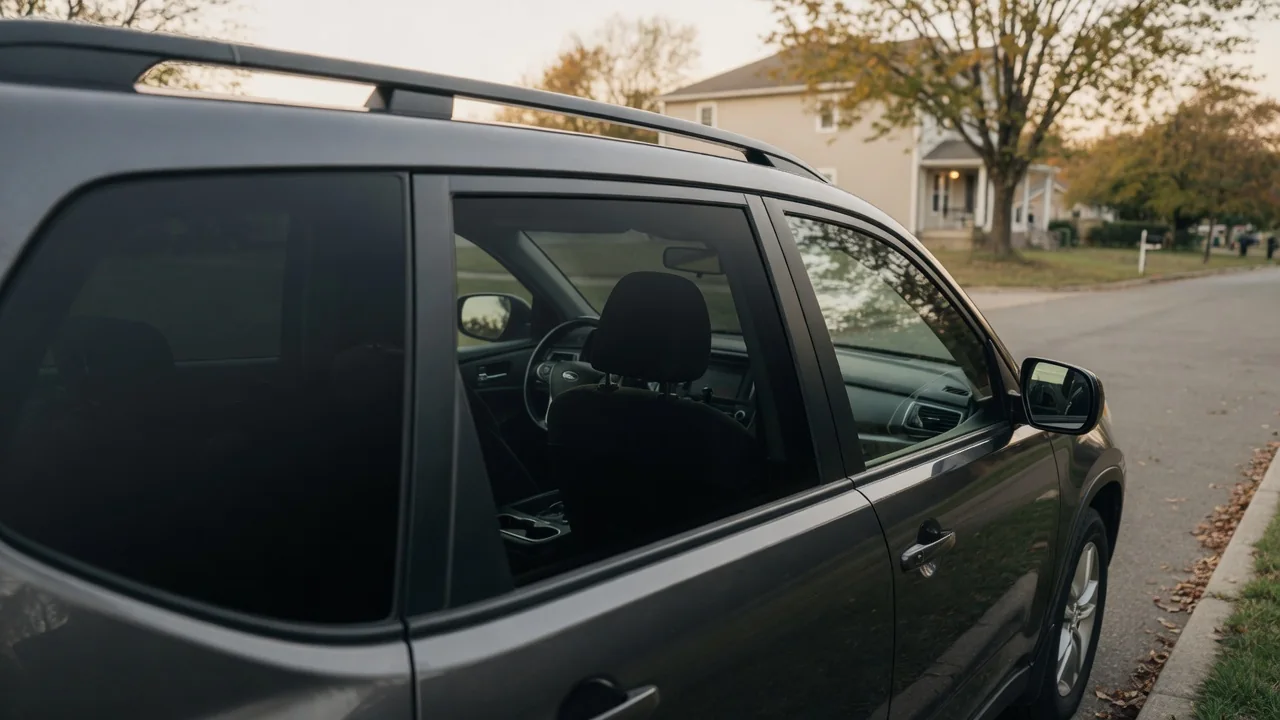
If you have ever wondered what is privacy glass in a car, the short answer is that it is glass darkened during manufacturing rather than coated afterward. Automakers typically fit it to the rear doors, rear quarter windows and liftgate of SUVs, minivans, crossovers and some pickups, giving the cabin a shaded look while leaving the front windows comparatively clear.
Factory glazing
Privacy glass is produced by adding pigments or dyes to the glass itself while it is being made, so the dark color runs through the full thickness of the pane rather than sitting on its surface. Because the tint is part of the material, it arrives with the vehicle as built and is usually listed on the window sticker or trim description as privacy glass, deep tinted glass or solar glass, depending on the brand's preferred terminology.
On a typical family SUV or minivan, you will see the darkened panes begin behind the front doors and continue to the tailgate, while the windshield and front side windows remain lighter to meet visibility rules. Sedans and coupes receive it less often, and pickups may have it only on the rear window or the rear doors of crew cabs. Availability also depends on trim level, with base versions sometimes carrying lighter glass all around than better-equipped versions of the same model.
Visibility
From outside, privacy glass makes it harder to see passengers, cargo and child seats, particularly in bright daylight when the cabin is darker than the surroundings. From inside looking out, the effect is much milder in the daytime because your eyes adapt to the dimmer interior and the outside scene is strongly lit. Occupants in the second and third rows generally notice a shaded, slightly gray or bronze cast to the view rather than any real loss of detail.
Night changes the balance. Darker rear glass passes less light, so the view through the liftgate window in an unlit driveway or parking lot can be noticeably dimmer than through the front side windows. This is one reason backup cameras, clean exterior mirrors and working reversing lamps matter more on vehicles with deeply shaded rear panes. With the interior lights switched on after dark, the privacy effect also weakens, and people outside may see in more easily than you expect.
Difference from applied film
Aftermarket window tint is a thin polyester film bonded to the inner surface of the glass, whereas privacy glass has no added layer at all. That distinction shows up in how each ages. Film can scratch, bubble, peel at the edges or fade toward purple over years of sun exposure, while pigment within the glass cannot lift or delaminate. Factory-darkened panes also have no cut edge to line up around defroster lines or the dot-matrix border.
Performance is another difference that surprises owners. Privacy glass mainly reduces visible light, and its heat and ultraviolet rejection varies by manufacturer, so a dark appearance does not guarantee a cooler cabin. Quality films, by contrast, are often engineered specifically to block infrared and ultraviolet energy, sometimes while remaining fairly light. Some owners therefore add film over factory glass, but stacking the two darkens the window further, so the combined result needs to be checked against local tint regulations.
Everyday Use and Observations
In daily driving, the feature is most appreciated when the vehicle is parked. Luggage, tools, shopping bags or a stroller in the cargo area are less obvious to passersby, although shaded glass is not a security device and valuables are still better kept out of sight. Rear passengers, especially children in car seats, get some relief from glare, and the reduced brightness can make rear-seat screens and tablets easier to view on sunny highway trips.
You can usually identify privacy glass with a few simple observations. Lower a rear window partway and look at the top edge: glass tinted in manufacturing appears uniformly dark through its thickness, while filmed glass shows a clear pane with a thin layer on the inside face. Run a fingernail gently near the inner edge and film may reveal a faint ridge. Comparing the front and rear doors side by side also shows the contrast in shade that factory glazing typically creates.
Limits and Next Steps
Privacy glass has practical limits. It cannot be lightened if you find it too dark, short of replacing the pane, and it does not strengthen the window or hold fragments together the way laminated glass does, since rear and side panes are commonly tempered. Its sun protection should not be assumed either; sunshades may still be worthwhile for infants, and upholstery can still warm and fade over time in a vehicle parked outdoors through hot summers.
If you are shopping or planning changes, start by confirming what your vehicle actually has. The owner's manual, build sheet or a dealer parts department can indicate whether the rear panes are factory tinted, and the marking etched in a corner of each window identifies the glass maker and type. A reputable tint shop can measure light transmission with a meter before any film is added, and state rules should guide how dark each window position is allowed to be.