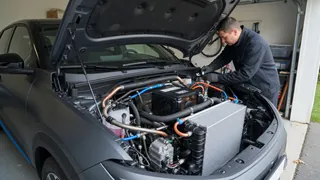
What Is an EV Heat Pump and How Does It Work
A heat pump in an electric vehicle is an HVAC component that moves heat instead of creating it directly. When a driver asks what is an EV heat pump or how does a heat pump work in an EV, the core answer is straightforward: it uses a refrigeration loop to absorb low-grade warmth from outside air or vehicle components and release that warmth into the cabin. This differs from a conventional resistive heater, which converts electrical energy straight into heat. Understanding the ev heat pump system matters because cabin heating can draw heavily from the battery, especially in cold weather.
Direct answer
An EV heat pump is a reversible vapor-compression climate control system. In heating mode, a compressor raises the pressure of a refrigerant, which then flows through a condenser inside the HVAC case. Air passing over this warm condenser enters the cabin, while the refrigerant cools and travels to an evaporator exposed to outside air or another heat source. Even when outdoor temperatures feel cold to a person, the refrigerant can absorb enough thermal energy to keep the loop operating.
The answer has one important condition: heat pump output declines as outside temperature drops. At very low temperatures there is less ambient energy to collect, so an electric vehicle may pair the pump with a resistive heater or use waste heat from the motor, power electronics, or battery. This means every ev heat pump system is part of a broader thermal management strategy rather than a standalone answer to all heating needs.
Purpose and operation
The purpose of a heat pump is to reduce the energy consumed by cabin heating. A resistive heater uses roughly one unit of electricity for each unit of heat produced. In contrast, a heat pump can deliver more heat energy than the electrical energy consumed by its compressor because it is transferring existing heat rather than generating it. This is why ev heat pump efficiency is usually compared with resistive heating, particularly during moderate cold conditions where the coefficient of performance remains favorable.
Airflow and temperature control work together because the HVAC system blends conditioned air before it reaches the vents. The blower motor moves cabin air across the interior heat exchanger while the temperature control system adjusts the refrigerant side. In many designs, the system also captures heat from the drive unit, inverter, or battery coolant. This recovered heat can raise evaporator temperature and improve operation when outside air is extremely cold, but the exact balance depends on the vehicle's thermal architecture.
How to proceed
If you are comparing a heat pump EV with one without a heat pump, begin with how you use the vehicle in cold weather. Look for climate consumption figures in the vehicle's range estimates or observed cold-weather driving reviews. The practical question is not whether a heat pump is present, but whether the difference in energy use during your typical winter drive is meaningful enough to affect charging frequency or usable range.
For a vehicle already equipped with the system, use normal cabin settings first rather than extreme heat. Selecting a comfortable temperature and using seat or steering wheel heating when available can lower cabin air heating demand. Keep the windshield and condenser area free of snow or ice because restricted airflow reduces heat absorption. There is generally no separate refrigerant specification check for a driver, but any HVAC service should be performed by a qualified shop familiar with the vehicle's sealed system.
Understanding a problem
A weak heat output complaint may not prove a failed compressor. Possible causes include a low refrigerant charge, a refrigerant leak, an inoperative blend door, a cabin filter restriction, reduced blower motor airflow, or an electric auxiliary heater that is not operating. The heat pump could also be working correctly while some of its expected waste-heat sources, such as the motor or battery, are too cold to contribute useful warmth during a short trip.
Observe the symptoms before replacing parts. If airflow is strong but the air is not warm, the issue may be on the refrigerant or coolant side. If airflow is weak, the cabin filter or blower circuit deserves attention first. A diagnostic trouble code from the climate module is a starting point for interpretation, not a confirmation that a specific compressor or sensor has failed. Manufacturer-dependent codes and system layouts require vehicle-specific service information before concluding a repair.