Does the Silverado EV Have a Heat Pump
For many electric truck shoppers, thermal management matters as much as range and towing. Owners ask whether the Silverado EV has a heat pump because cabin heating can consume a meaningful share of the high-voltage battery in cold weather. The question is not simply about comfort; it affects winter efficiency, charging compatibility, and trip planning. GM positions the Silverado EV as a full-size work and adventure truck, so its heating hardware must support usable range across varied climates. Understanding the system helps explain real-world energy use and why some cold-weather range loss is expected in any battery-electric vehicle.
Essential answer
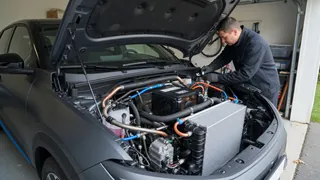
The Silverado EV uses a heat pump as part of its climate control and battery thermal management approach. GM groups this technology into the vehicle’s broader thermal system, which also manages high-voltage component temperatures. Rather than relying only on resistive heating, the heat pump can move existing heat from the battery, power electronics, or outside air into the cabin. This reduces the electrical load needed for comfort in many conditions, although extreme cold can still require supplementary resistive heat or careful preconditioning.
A heat pump is especially useful in an EV because waste heat from an electric drive unit is smaller than the heat a combustion engine produces. Moving heat with a compressor and refrigerant can deliver more cabin warmth per unit of battery energy than a simple electric heater. For a Silverado EV owner, this means moderate winter driving may preserve more range than in an EV with resistive-only heating. Vehicle specification details and exact cold-weather performance depend on trim, software, and ambient conditions, so the presence of a heat pump is a design advantage, not a guarantee of identical range in all climates.