What Is an Easy-Exit Seat Setting?
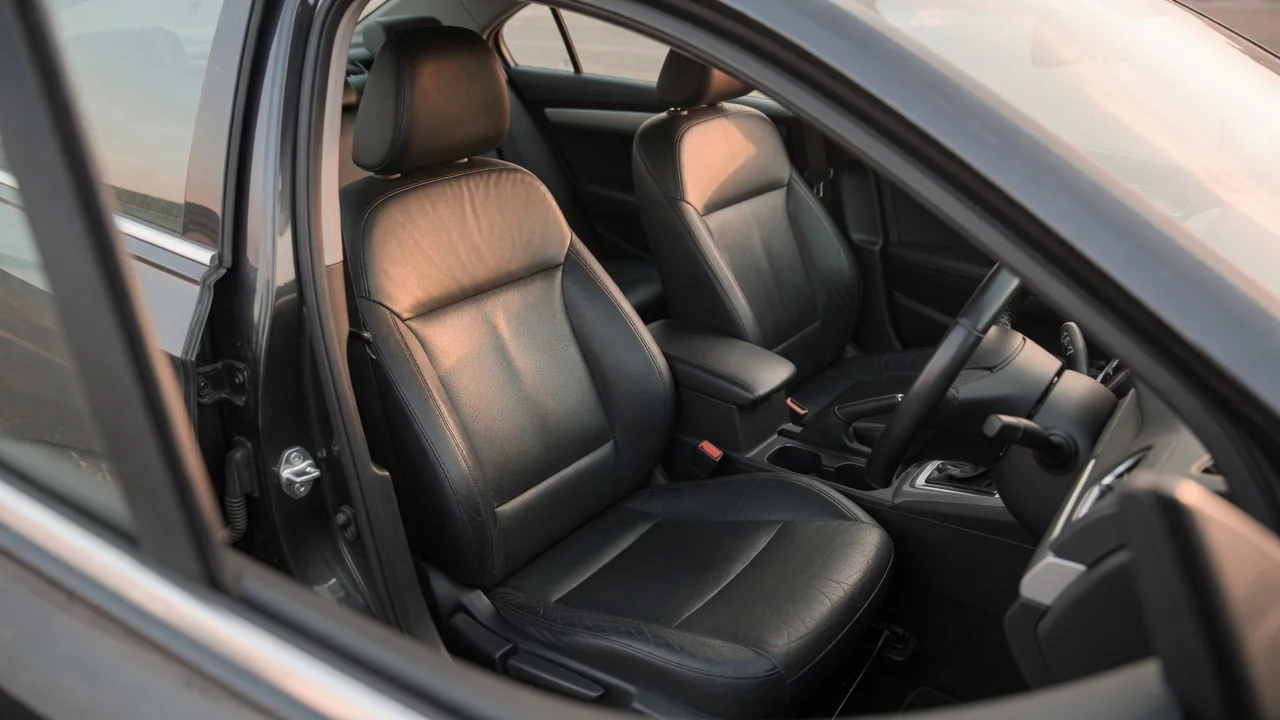
If you have ever wondered what is an easy exit seat setting, the short answer is a convenience feature that moves the power driver's seat, and sometimes the steering column, out of the way when you park. It creates more room for getting in and out, then returns the seat to its driving position once the vehicle is ready to go.
Profile settings
Easy exit usually lives alongside the seat memory system, because the vehicle needs a stored driving position to return to. In many vehicles the option appears in a settings menu on the center display or instrument cluster, often under headings related to seats, comfort, or driver profiles. Switching it on tells the seat control module to slide the cushion rearward when the ignition is turned off or the driver's door opens, then restore the saved position on the next start.
Where vehicles link profiles to a key fob, phone key, or memory button, each driver may have a separate easy exit preference. One person can leave the feature active while another keeps it off, and the car applies whichever profile it recognizes. Some systems also let you choose whether only the seat moves or the steering wheel tilts and retracts too. Menu names, available choices, and the trigger for movement differ between manufacturers, so the owner's manual is the reliable reference for a particular model.
Clearance
The purpose of the movement is to open up space between the seat, the steering wheel, and the door opening. A driver who sits close to the pedals often has knees near the lower dash and thighs tucked under the wheel rim, which makes swinging the legs out awkward. Sliding the seat back a short distance, and lifting the wheel where equipped, widens that gap so the driver can pivot toward the door without squeezing past the column or bolster.
How far the seat travels depends on the design. Some vehicles move a fixed distance from the driving position, while others travel toward the rear of the track, and a few lower the cushion as well. Taller drivers who already sit near the back of the rails may see very little motion because there is not much travel left. Low sports cars and high trucks benefit differently, since roof height, sill width, and steering wheel reach all shape how much extra room actually helps.
Safety
Because the seat moves on its own, the space behind it deserves attention. A rear passenger's legs, a child seat, a pet carrier, or cargo on the floor can be in the path when the driver's seat slides rearward. Many power seats include obstruction detection that stops or reverses the motor when resistance is sensed, but that protection varies in sensitivity and should not be relied upon. If someone regularly rides behind the driver, turning the feature off or limiting it is a sensible choice.
The return movement matters as well. The seat generally comes back to the stored position at startup, before the vehicle is driven, so the driver is seated at the proper distance from the pedals, wheel, and airbag. It is worth waiting until the motion finishes before selecting a gear, since reaching for pedals from a seat that is still travelling compromises control. Loose items under the seat, such as bottles or umbrellas, can jam the track and should be kept clear.
Everyday Use and Observations
In daily driving the feature shows itself as a brief motor hum and a smooth glide rearward after parking. Depending on the vehicle, the trigger may be shifting into park, switching off the ignition, unbuckling, or opening the door. On entry, the seat sits back waiting, then moves forward once the car recognizes the key or the start button is pressed. Drivers with stiff knees, bulky winter coats, or a tight garage often notice the difference most on the way in and out.
Shared vehicles reveal a few quirks. If a second driver adjusts the seat manually without saving the change, the system may return to an older stored position on the next start, which can feel like the seat has a mind of its own. Saving the preferred position to the memory button after any adjustment usually settles this. Some people also find the pause at startup mildly inconvenient on short errands, and that is a fair reason to disable the setting through the same menu.
Limits and Next Steps
Easy exit is a convenience function, not an accessibility device, and it has limits. It works only on seats with power adjustment and memory, so vehicles with manual seats or basic power seats without memory generally will not offer it. It rarely applies to the front passenger seat. Low battery voltage can also cause a vehicle to suspend comfort features, so a seat that stops moving after the car has sat unused for a while is not automatically a sign of a faulty motor.
When the feature behaves unexpectedly, start with simple checks: confirm the setting is still enabled, resave the driving position, and look for anything blocking the track. If the seat stalls, moves unevenly, or makes grinding noises, a technician can test the switch, motor, wiring, and control module rather than guessing. Any stored fault code is a clue to investigate, and its meaning should be confirmed for the specific vehicle. The owner's manual or a dealer can explain exactly how the function is designed to work on your model.