What Is an Automatic Transmission Parking Pawl
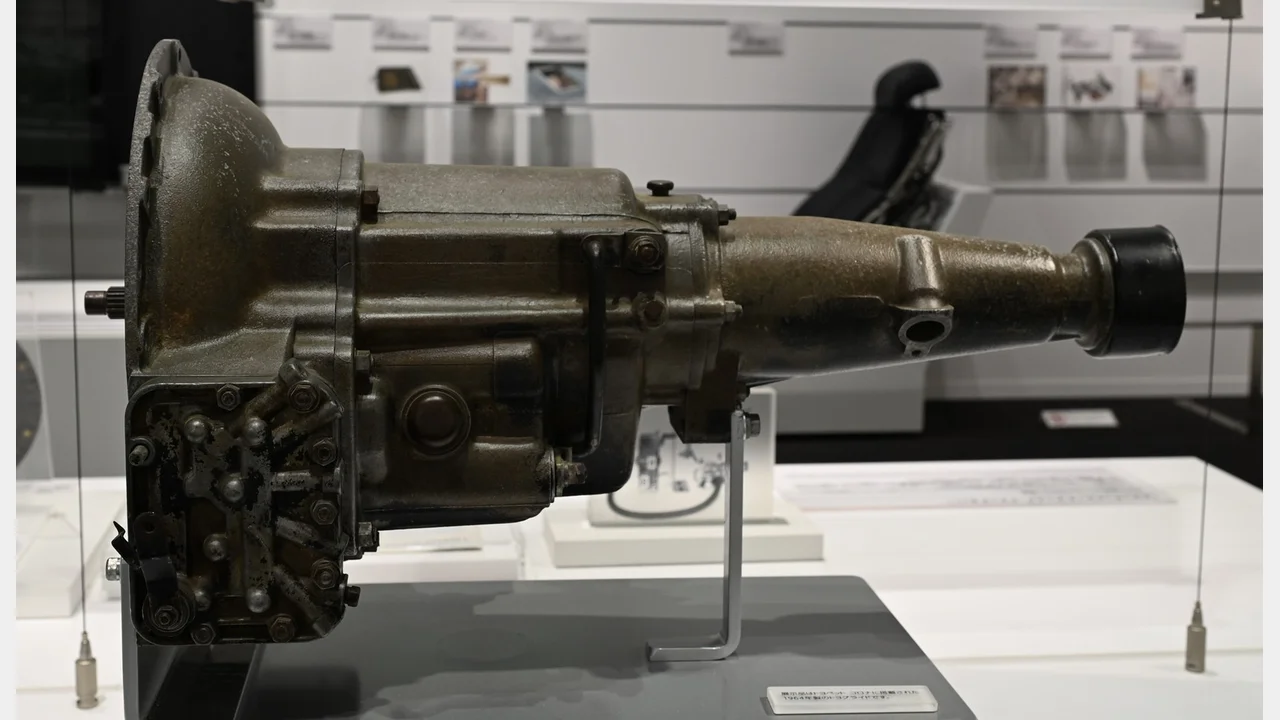
A metallic click when moving the shift lever into Park may seem like a simple detent, but it is the sound of a dedicated mechanical component engaging. The automatic transmission parking pawl is the small, sturdy lever that locks the output shaft and prevents the drive wheels from turning once the vehicle is stopped. When a driver parks on an incline and relies only on this mechanism, understanding its behavior helps explain why a little vehicle movement can occur before the pawl seats fully. Its design is deliberately direct and mechanical, separate from the hydraulic circuits used for normal gear changes.
Meaning
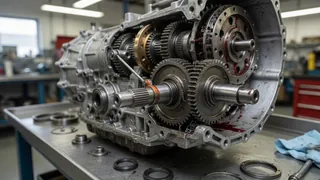
In an automotive context, the automatic transmission parking pawl is a toothed or stepped metal lever located inside the transmission case. Its job is to engage a notched wheel or gear on the output shaft when the shift selector is placed in Park. That engagement creates a positive mechanical block, not a fluid coupling or electronic brake. Because the pawl physically interrupts rotation, it holds a vehicle stationary without depending on engine vacuum, hydraulic pressure, or battery power once it has seated.
The term can be confused with a parking brake, but the two are separate devices. The parking pawl works through the transmission and typically affects the driven wheels on one axle, while a parking brake acts through a cable or electric actuator and can use a different set of brake shoes or calipers. Local parking rules and posted signs regulate where a vehicle may be stopped, but the pawl itself is the internal latch that answers the basic question of why Park holds the driveline.
How it works
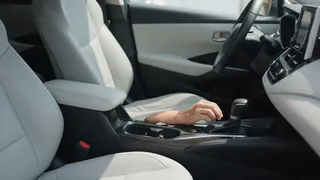
When the driver moves the gear selector into Park, a mechanical linkage or electronic signal moves a detent plate and spring arrangement inside the transmission. That movement pushes the parking pawl toward a wheel that contains notches spaced around its circumference. The pawl may not seat immediately. It can ride over the face of the wheel until vehicle movement or gravity brings a notch into alignment, and then the pawl drops into that opening and blocks rotation.
Because the engagement is mechanical, the vehicle can roll a small amount before the pawl finds a notch and locks. This is especially noticeable on a slope when the driver removes their foot from the brake after selecting Park. The weight of the vehicle shifts, the output shaft turns slightly, and the pawl seats with a firm click or clunk. The available clearance between the pawl and notch determines how much movement occurs, and the vehicle dimensions do not change the basic function.
Key differences
A parking pawl is often compared with the parking brake for good reason. The pawl holds the vehicle by blocking a small gear-like mechanism inside the transmission, while the parking brake creates friction at the wheels or driveshaft. The parking brake distributes holding force across a larger braking surface and remains useful as a backup if the driveline is disconnected or damaged. By contrast, the pawl is a compact latch that is convenient but relies on a single point of engagement.
The difference also matters when wheels cannot rotate normally. If drive wheels are off the ground, the pawl can hold one side while the opposite wheel turns through the differential. This is normal operation, not a failure. When parking on a steep surface, the pawl carries vehicle weight in a way it was not intended to do for long periods, and using the parking brake first reduces that stress. The relationship between maneuvering space and a chosen parking position should account for both devices.
Understanding a problem
A stiff shift lever or difficulty moving out of Park is frequently caused by the vehicle resting against the pawl, not by a broken transmission. When the pawl is wedged tightly against a notch on a hill, the detent force can feel excessive. Shifting can also make a sharp clunk as the loaded pawl releases. A more serious symptom is failure to hold the vehicle at all, which could mean the pawl is broken, the linkage is disconnected, or the shift cable or electronic selector is not commanding Park.
A single click or roll of an inch or two before the pawl seats is generally expected, but repeated popping or grinding noises deserve attention. If the transmission jumps out of Park or the vehicle rolls freely after the selector shows Park, the vehicle should be secured immediately with the parking brake and the condition diagnosed. Manufacturer-dependent codes related to transmission range sensors or shift actuators can appear, but they are clues for a technician rather than proof that the pawl itself has failed.