What Is an Ambient Light Sensor in a Car?
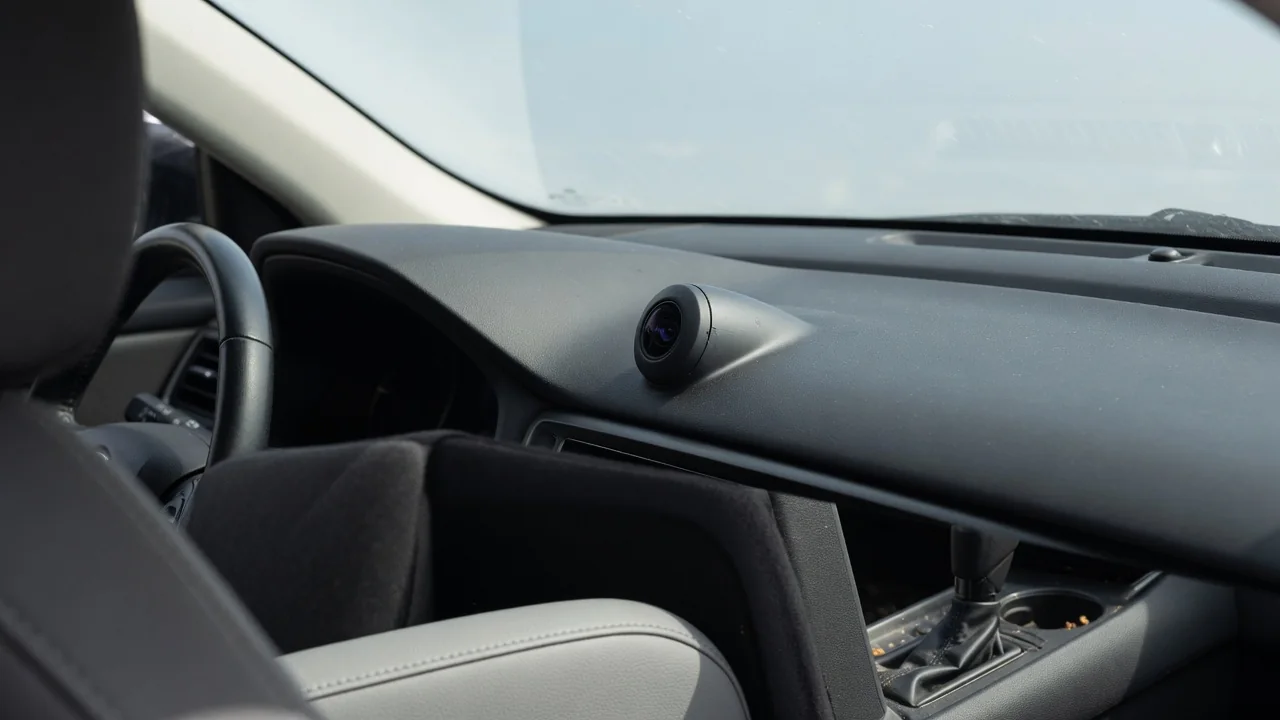
Drivers who ask what is an ambient light sensor in a car are usually noticing something the vehicle does on its own: headlights that switch on at dusk or a screen that dims after sunset. The sensor is a small light-measuring component that tells the vehicle how bright the surroundings are, so lighting and displays can adjust without the driver touching a control.
Light detection
An ambient light sensor is built around a light-sensitive electronic element, typically a photodiode or phototransistor, that produces an electrical signal proportional to the light falling on it. A control module reads that signal and compares it against stored thresholds for conditions such as full daylight, overcast skies, twilight and darkness. Because the sensor measures the general brightness around the vehicle rather than a single beam, it is usually positioned where it has an open view of the sky.
On many vehicles the sensor sits under a small dome on top of the dashboard near the base of the windshield, while others place it behind the glass near the rearview mirror, sometimes sharing a housing with a rain sensor. Some designs use more than one sensing element, one looking upward and one looking forward, to tell an open road from a tunnel entrance. The exact location and layout depend on the manufacturer, so the owner's manual is the reliable guide for a particular model.
Headlights
The most familiar job is automatic headlight control. With the light switch in its auto position, the module turns on the low beams and tail lamps when the measured brightness falls below a set level, and turns them off again when daylight returns. A short delay is normally built into the logic so that passing under an overpass or a line of trees does not make the lamps flicker on and off, while a longer stretch of darkness, such as a tunnel or parking garage, triggers them promptly.
What a driver can observe varies by vehicle. Some models let the sensitivity be adjusted through a settings menu, so the headlights come on earlier or later in fading light; others use a fixed calibration. Certain vehicles also link the lamps to wiper operation, switching on in rain even when the sky is fairly bright. Automatic high-beam systems are a related but separate feature that typically relies on a forward camera to detect other traffic, rather than on the ambient light reading alone.
Dashboard brightness
Inside the cabin, the same brightness information is commonly used to manage the instrument cluster, infotainment screen and switch backlighting. In bright sun, displays are driven to a higher output so that gauges and maps remain readable against glare. After dark, the illumination is reduced so that the screens do not strain eyes that have adapted to a dim road. Many navigation maps also flip between a light daytime color scheme and a darker night theme based on this signal or on the headlight status.
The manual dimmer control usually still matters. On many vehicles the automatic adjustment sets a baseline, and the dimmer wheel or menu slider lets the driver shift night brightness up or down within that range. Some infotainment systems carry their own small sensor in the screen bezel, separate from the one that controls the headlights, and head-up displays may be adjusted the same way. A driver who finds the dashboard too dim in daylight with headlights on should check whether the dimmer has been turned down.
Everyday Use and Observations
In daily driving, a working sensor mostly goes unnoticed. The lamps come on as evening sets in, the cluster softens its glow in a garage, and everything returns to daytime levels after pulling back into the sun. A simple way to see it respond is to cover the dashboard dome with a hand while parked with the ignition on and the switch in auto; after a brief delay the headlights and display dimming typically react, then reverse once the sensor is uncovered.
Small habits affect how well it works. Parking passes, phone mounts, dash mats or papers resting over the sensor can make the vehicle believe it is dark, leaving the headlights on during the day and the screens dimmed. Dust buildup or a heavily tinted windshield strip in front of a mirror-mounted sensor can shift the response as well. A replacement windshield that does not match the original's sensor area, or a sensor not reseated correctly afterward, is another reason behavior can change following glass work.
Limits and Next Steps
The sensor measures brightness, not visibility. Fog, heavy spray, snowfall or daytime rain can leave plenty of ambient light while still making the vehicle hard for others to see, so automatic mode may keep the headlights off when they are needed. Daytime running lamps add to the confusion because on many vehicles they light the front only, leaving the rear dark. The driver remains responsible for switching the lamps on manually whenever conditions call for it, regardless of what the automatic system decides.
When the automatic behavior turns erratic, such as lamps that stay on in full sun or displays that never dim, start with the simple checks: clear anything covering the sensor, wipe the lens and review the lighting settings. If the problem continues, a scan tool may show a stored fault code related to the light sensor circuit. Such a code points toward an area to investigate rather than proving the sensor itself has failed, since wiring, connectors or the control module can be involved, and manufacturer-specific codes need confirmation against service information for that vehicle.