What Is an A-Pillar on a Car?
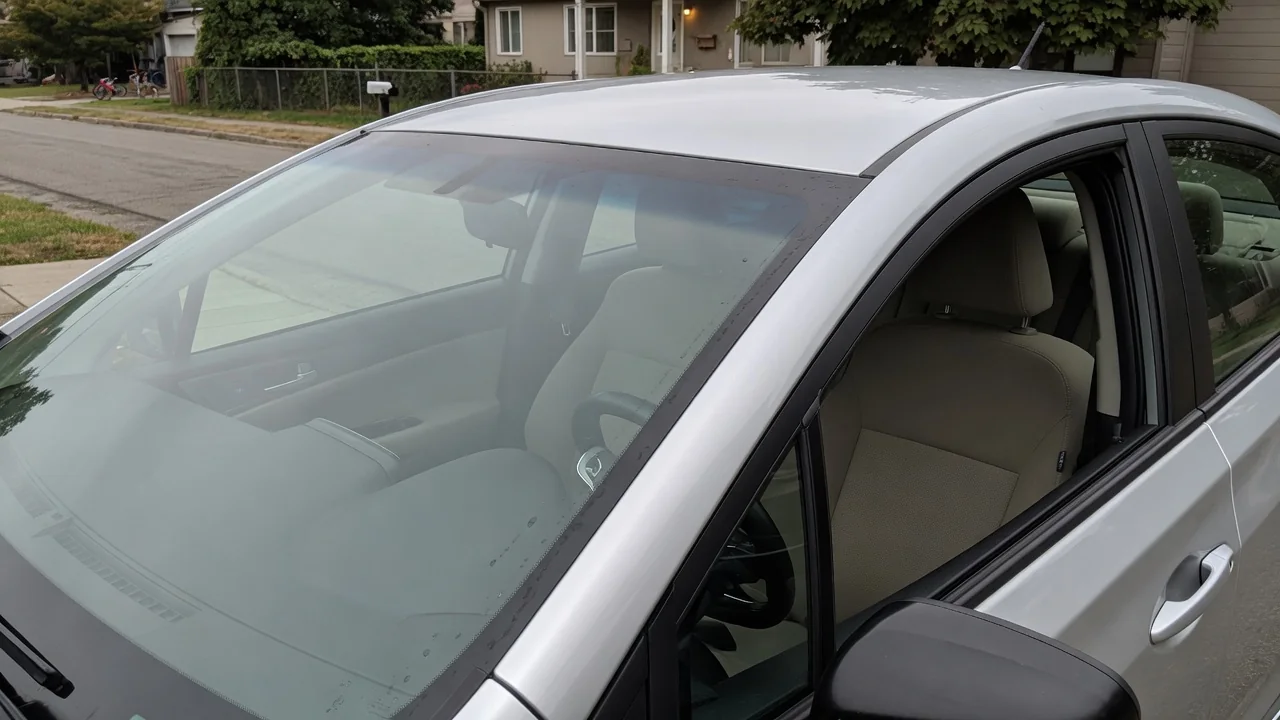
If you have ever wondered what is an A pillar on a car, the answer sits right at the edges of your windshield. The A-pillar is the structural post on each side of the glass that connects the roof to the lower body. It frames your forward view, supports the roof, and plays a quiet but serious role in crash protection and everyday driving comfort.
Location
The A-pillars are the first pair of roof supports counting from the front of the vehicle. Each one rises from the area where the hood, fender, and dashboard meet, runs alongside the windshield, and joins the roof rail above the front door. Sit in the driver's seat and look toward either front corner of the cabin: the trimmed post between the windshield edge and the door window is the A-pillar, with its twin on the passenger side.
The naming follows the alphabet rearward. The B-pillar stands between the front and rear doors on most sedans and SUVs, the C-pillar sits behind the rear doors, and wagons, minivans, and many SUVs add a D-pillar at the very back. Shape varies widely by body style. A pickup or boxy off-roader often has upright A-pillars, while a low coupe or aerodynamic sedan uses long, steeply raked ones that stretch far forward, sometimes with a small fixed triangular window at the base.
Visibility
Because the A-pillar stands between the driver's eyes and the road, it creates a blind spot on each front corner. The hidden zone is narrow close to the car but widens with distance, so a pedestrian in a crosswalk, a cyclist, or even a motorcycle approaching on a cross street can stay behind the pillar for a moment. The effect is most noticeable during left turns, at roundabouts, and on curving roads where the pillar tracks along with a moving object.
Pillar thickness is a design tradeoff. Modern roof-strength expectations, side curtain airbags, and wiring routed inside the pillar tend to make it bulkier than those on older vehicles, while a steeply raked windshield places it more directly in the driver's sight line. Some manufacturers respond with slimmer high-strength steel sections, split pillars with a small quarter window, or mirrors mounted on the door instead of at the pillar base. How much view is blocked also depends on seat height and driver position.
Repair importance
The A-pillar is part of the vehicle's safety cage rather than a cosmetic panel. It helps carry frontal crash forces up and around the cabin, supports the roof in a rollover, and holds the door opening in shape so the door can still close and latch properly. Many vehicles use high-strength or ultra-high-strength steel here, sometimes in several layered reinforcements, and the windshield bonded along the pillar's edge contributes to the overall stiffness of the body.
That construction is why damage to this area deserves professional attention. Certain high-strength steels lose their properties when heated or straightened, so automakers publish body repair procedures that specify where a pillar may be sectioned, which joining methods are acceptable, and when a part must be replaced instead. A kinked or creased pillar after a collision can change how an insurer and a body shop assess the vehicle. The curtain airbag and its trim clips often located there add another reason to follow vehicle-specific guidance.
Everyday Use and Observations
Most owners interact with the A-pillar without thinking about it. The interior trim cover may carry a grab handle, a tweeter speaker, or an airbag marking, and on some trucks and SUVs it is the handhold used to climb in. Outside, the pillar channels rainwater away from the side glass and shapes airflow around the mirror, which is why wind noise at highway speed is often traced to this corner, to a door seal, or to the windshield molding nearby.
A few observations are worth noting. Water stains or dampness on the pillar trim, or a wet front footwell, can point to a windshield seal, a clogged sunroof drain routed through the pillar on vehicles so equipped, or a door seal, so the source needs to be confirmed rather than assumed. Rust bubbles at the base of the windshield, loose or rattling trim, and paint mismatch along the pillar are also useful clues when evaluating a used car for previous bodywork.
Limits and Next Steps
General descriptions only go so far, because pillar design differs from one vehicle to the next. Materials, airbag placement, trim attachment, and whether antennas, drain tubes, or wiring harnesses pass through the pillar all depend on the make, model, and year. For that reason, accessories such as gauge pods, dash camera wiring, or extra handles should not be mounted or routed there without checking the owner's manual, since anything placed over a curtain airbag's deployment path can interfere with it.
For visibility, the practical step is habit rather than hardware: lean slightly forward and back before pulling out or turning so the hidden zone shifts, and adjust the seat so the pillar blocks as little as possible. When test-driving, notice how the pillars affect the view at intersections. If the pillar shows collision damage, corrosion, a leak, or an airbag warning light accompanies trim that has been disturbed, a qualified body shop or dealer working from manufacturer repair information is the right place for an assessment.