What Is a Vehicle Location Service? How Connected Car Location Works
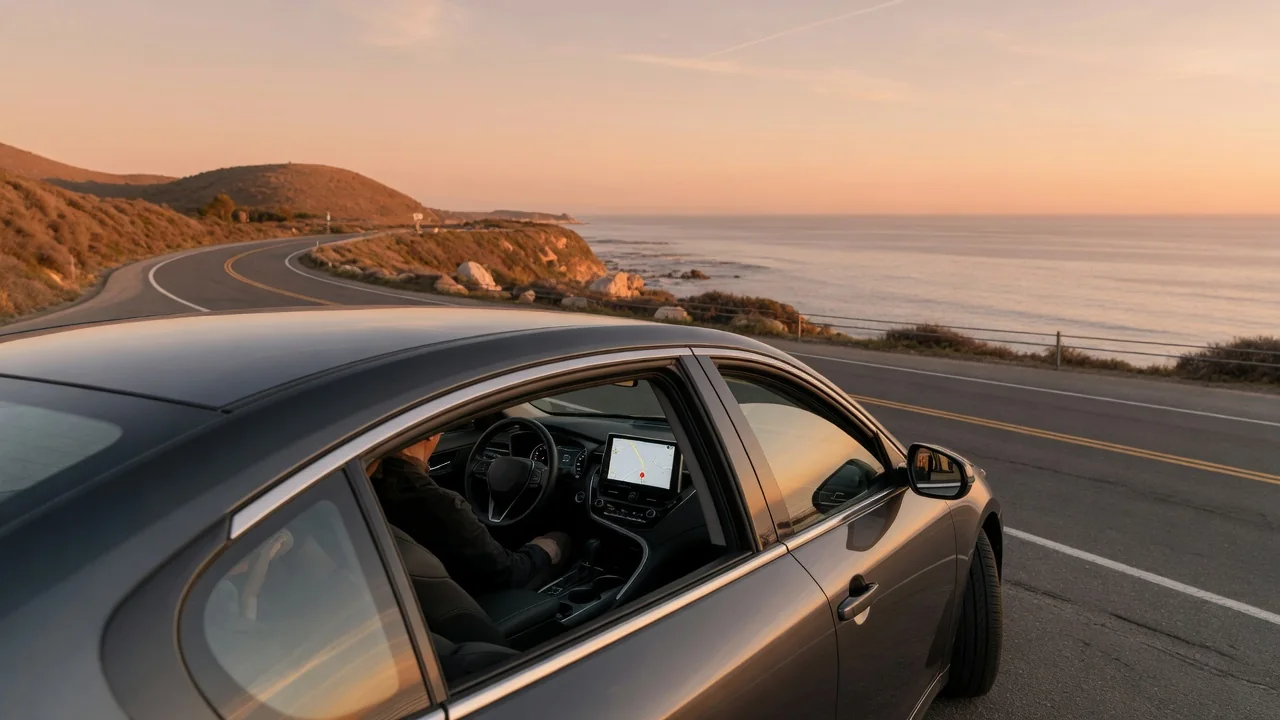
A vehicle location service is a connected car feature that reports where a vehicle is and shows that position to an authorized user, usually through a smartphone app or web portal. It combines satellite positioning inside the car with a cellular data link and a provider's servers. Owners who understand how a connected car location service gathers, sends and displays position data know what to expect from it, when it may be inaccurate or unavailable, and how to use it sensibly.
GPS and network
At the core of a vehicle location service is a telematics control unit, a small computer built into the car or added through an aftermarket device. It contains a satellite positioning receiver. This is usually called GPS, but many receivers also use other global navigation satellite systems such as Galileo, GLONASS or BeiDou. The receiver calculates its position by measuring timing signals from several satellites at once, and a three-dimensional fix generally requires signals from at least four. Under an open sky, this method can reliably place the vehicle on a street or in a parking area. The satellite systems a given car uses and the precision of its receiver depend on the hardware the manufacturer chose.
Knowing the position inside the car is only half the job. The telematics unit also includes a cellular modem, usually with an embedded SIM, that sends the coordinates and a timestamp to servers run by the automaker or service provider. Depending on the system, the unit may report its location when the ignition is switched off, at set intervals, when certain events occur, or when the owner requests an update from the app. Some vehicles supplement satellite data with dead reckoning, which estimates movement from wheel speed and motion sensors when satellite signals drop out. Some can also fall back on rough positions derived from nearby cell towers.
The unit has to keep working after the engine is off, so it draws power from the 12-volt battery. To avoid draining that battery, connected systems typically limit how often the modem wakes up while the car is parked. This power management is one reason a parked car may update its location less often than a car being driven, and each manufacturer handles it differently.
App display
What the owner sees in a smartphone app or web portal is not a direct live feed from the car. The app asks the provider's servers for the most recent position on record, then plots those coordinates as a pin on a map layer. If the last report came hours earlier, the pin shows where the car was at that time, not necessarily where it is now. Many apps show a timestamp or a last updated note next to the location. That detail is the most useful clue to how current the information is.
Apps usually translate coordinates into a street address through a process called reverse geocoding. The address is an estimate matched to the nearest known location in a map database, so it can point to a neighboring building or the wrong side of a large lot. Apps often add related tools around the map. These can include walking directions to the parked car using the phone's own navigation and an option to share the location with another person. Some services also offer trip history, geofence alerts when the car leaves a defined area, or speed alerts. Which of these appear depends on the manufacturer, model year, region and subscription level, not on the location technology itself.
Access is controlled through the owner's account. Before location data appears, the vehicle normally has to be linked to an account, often with some form of ownership verification. The primary account holder may also be able to invite additional drivers with their own permissions.
Limits
Satellite positioning needs a reasonably clear view of the sky. Several places can block signals or make them bounce off surfaces: underground and multi-level parking garages, tunnels, covered loading areas and streets lined with tall buildings. The result can be no fix at all, or a position that drifts away from the true one. In those cases the service may report the last good position. That can be the garage entrance or a point on the street outside rather than the actual parking space. Standard positioning also gives little reliable information about which floor of a parking structure the car is on.
The cellular link has its own constraints. If the car is parked where there is no coverage, it cannot send fresh data, and the app will keep showing the earlier report. Carrier changes matter too. When U.S. carriers retired older network generations, some vehicles with modems designed only for those networks lost connected features unless their hardware was upgraded. Outages at the provider's servers or problems with the app can also interrupt the service even when the car itself is working normally.
Other limits come from the vehicle and the account. Updates can stop if the 12-volt battery is weak or disconnected, if the antenna is damaged, or if the telematics unit has gone into a deep sleep state after a long period of inactivity. Connected services often depend on an active trial or paid subscription, and an expired plan may disable location features. Privacy settings in the car or the app can also switch off location sharing.
Practical implications and limits
For everyday use, treat the map pin as a strong hint rather than a guarantee. Checking the timestamp before you walk to a remembered spot saves time. In a large garage, it helps to note the level or row yourself, because the service may only know where the car entered. If the app shows a stale position, a manual refresh, where offered, may prompt a new report once the car has signal. If it still does not update, the car may simply be out of coverage or asleep.
If a car seems to have been moved without permission, the location shown in the app can be useful information to give to police. Owners should not try to recover a vehicle themselves. Some providers offer stolen vehicle assistance that works directly with law enforcement, so it is worth knowing in advance whether your plan includes it and how to start a report. A location service adds awareness, but it does not replace locking the car and protecting the keys.
Ownership changes need attention as well. When buying a used connected car, confirm that the previous owner's account has been removed so they can no longer see its location. When selling, unlink your account and perform any reset the manufacturer recommends. Location history can reveal routines such as home and work addresses, so review who has access, what history is kept and which sharing options are turned on. Behavior varies widely between vehicles, so the owner's manual and the provider's terms are the authoritative guides to how a specific vehicle's location service works.