What Is a Pass-Through Center Console?
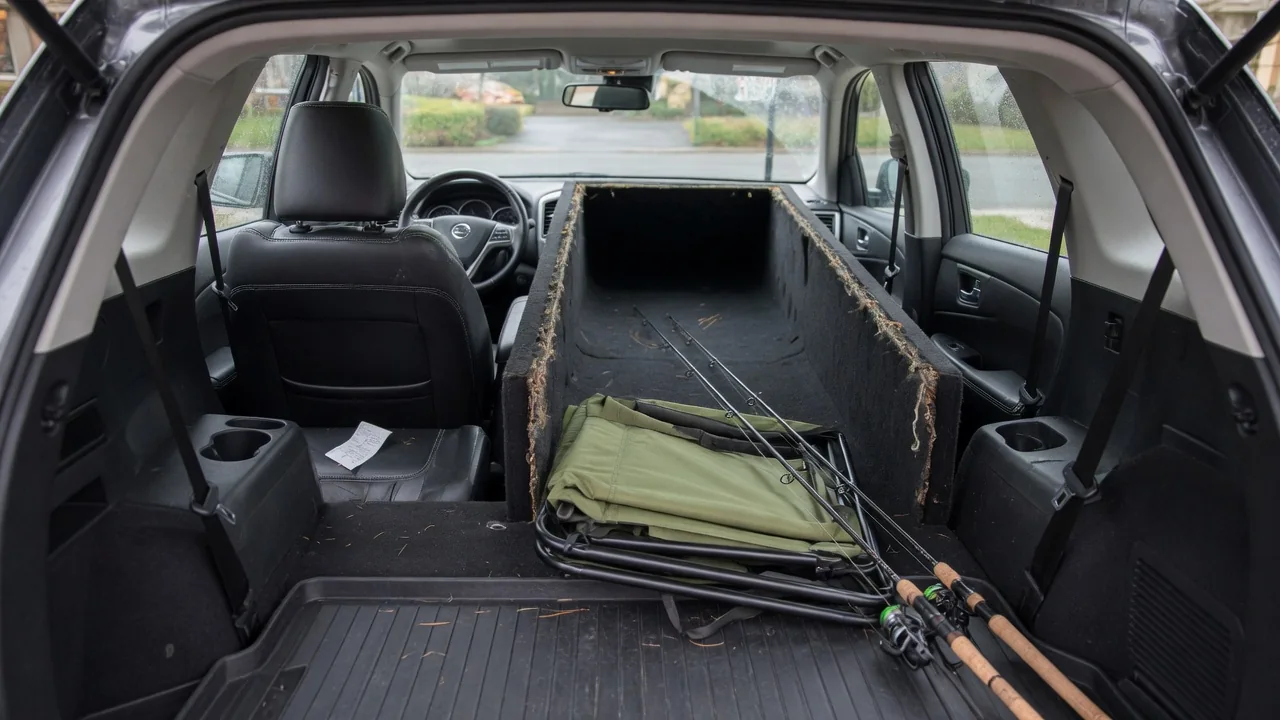
Drivers asking what is a pass through center console are usually looking at a cabin where the space between the front seats is partly or fully open. Instead of a solid block running from the dashboard to the armrest, the console is raised, shortened, or bridged, leaving an open floor area underneath or behind it. That layout changes how the cabin stores things and how people move inside it.
Storage
The most visible benefit of a pass-through design is the open shelf or floor tray beneath the upper console. Because the shifter, cupholders, and armrest sit on a raised bridge, the space below is free for items that never fit well in a closed bin. A handbag, a small backpack, a tablet sleeve, or a takeout bag can sit low and centered, within reach of either front occupant, rather than sliding around on the passenger seat or footwell.
What that lower area looks like depends heavily on the vehicle. Some have a rubber-lined tray with a raised lip to keep items from sliding, while others simply leave flat carpeted floor between the seats. Power outlets, USB ports, or a wireless charging pad may be placed nearby, though this varies by trim and model year. Owners should look for a retaining edge, a removable mat, and any nearby cargo hooks, since those details determine how secure loose items stay during braking and cornering.
Movement
In vehicles where the opening extends down to a flat floor, the pass-through can also allow movement between seating positions. Minivans and some vans with a low or removable console let a parent step from the front row to the second row while parked, which is handy when tending to a child without stepping out into rain or traffic. Front occupants may also slide across to exit on the curb side when a tight parking space blocks one door.
How practical this is depends on the width of the gap, the height of the floor, and what sits in the way. A raised bridge console that houses the gear selector usually leaves room only for bags, not people, while a true walk-through has open floor from the dashboard rearward. Floor-mounted parking brake levers, seat-mounted armrests, and transmission tunnels in some drivetrains can narrow the path. Any moving between rows should happen only when the vehicle is stopped and securely parked.
Design limitations
Opening up the center of the cabin involves trade-offs. A conventional console provides a deep, lidded bin that hides valuables and keeps small items contained. A pass-through layout often replaces some of that enclosed volume with open space, so anything stored below may be visible through the windows and can shift under hard braking. The upper console may also have a shallower armrest compartment because the structure beneath it has been removed or reduced to create the opening.
Engineering constraints shape what is possible as well. The floor between the front seats may carry a driveshaft tunnel, exhaust routing, wiring, or airbag control hardware, so the opening is not always as low or as wide as it appears in photographs. Vehicles with a column-mounted or electronic gear selector generally free up more console space than those with a mechanical floor shifter. Bridge-style consoles also need rigid supports, which can form side walls that limit access from one seat.
Everyday Use and Observations
In daily driving, the open area tends to become a landing zone for whatever comes into the cabin first. That convenience is real, but it rewards a little discipline. Heavy or hard objects left loose can slide forward toward the pedals in a layout that opens into the driver footwell, so it is worth checking whether a barrier or raised edge separates the storage tray from the pedal area. Drinks and food are better kept in the dedicated holders above.
Owners also notice differences in cleaning and cabin feel. An open floor section collects grit, crumbs, and moisture from wet bags, and a removable liner makes that easier to manage than fixed carpet. The space can make the front row feel airier and less divided, which some drivers like and others find less cocoon-like than a tall console. Reaching the lower tray while driving usually means looking down, so items needed on the move belong in the upper compartments.
Limits and Next Steps
A pass-through console is a packaging choice, not a guarantee of extra capacity. Manufacturers use the term loosely, and similar labels can describe a small shelf under a floating console, a wide open bin, or a full walk-through aisle. Dimensions, load limits, and available power outlets differ between models and trims, so brochure language alone will not tell a shopper whether a particular bag fits or whether an adult can comfortably step through to the next row.
The most reliable next step is to inspect the vehicle in person. Sit in both front seats, place the items normally carried into the opening, and check whether they stay clear of the pedals, the shifter, and the seat tracks. Review the owner's manual for guidance on what may be stored there and whether any console sections are removable. Those considering aftermarket organizers or inserts should confirm fitment for the specific vehicle, since console shapes are rarely shared across models.