What a Clear Vehicle Title Means

A clear title vehicle is one whose ownership document shows no outstanding lien and no brand that limits its status. In practical terms, the seller owns the car outright, no lender or creditor holds a legal claim against it, and the title has not been marked by the state as salvage, rebuilt, flood-damaged or similar. When you buy a vehicle with a clear title, ownership can normally transfer to you without anyone else needing to sign off. There is one important qualification. People use "clear title" and "clean title" loosely and often interchangeably, but they can describe two different things. Before relying on either phrase in a listing or conversation, it helps to know which one the seller means.
Clear Title vs. Clean Title
In the strictest common usage, a clear title refers to ownership: the title is free of liens, so no bank, finance company or other party has a recorded financial interest in the vehicle. A clean title refers to condition history: the title carries no brand issued because of serious damage, total loss, or a similar event.
Term | What it usually describes | What it does not guarantee; Clear title | No active lien; the listed owner holds full ownership | That the vehicle was never declared a total loss or rebuilt; Clean title | No brand such as salvage, rebuilt, flood or junk | That the vehicle is free of an outstanding loan; Both clear and clean | No lien and no brand | That the vehicle is in good mechanical condition
A vehicle can have a clean title that is not clear, for example an undamaged car the owner is still paying off. It can also have a clear title that is not clean, such as a rebuilt car that the owner paid for in full. For a straightforward purchase, most buyers want both.
What a Vehicle Title Records
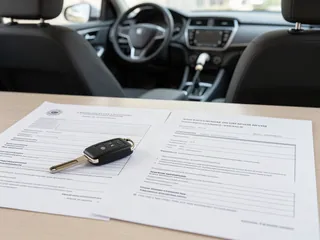
A certificate of title is the state's ownership record for a vehicle. Although layouts differ by jurisdiction, a title typically identifies:
The vehicle identification number (VIN), the unique 17-character code assigned to most modern vehicles; The year, make and often the model and body type; The registered owner or owners, and how ownership is held when more than one person is listed; Any lienholder with a recorded security interest in the vehicle; Any brand applied by the state; An odometer disclosure or odometer status where applicable; Assignment sections used to transfer ownership to a buyer
The title is different from the registration certificate. Registration shows the vehicle is authorized to be driven on public roads and is tied to plates and fees. It does not prove ownership. A seller who can show only a registration card has not shown that they have the right to sell the vehicle.
Title Brands That Prevent a Title From Being Clean
A brand is a permanent notation the state adds to a title to disclose a significant event in the vehicle's history. Brand names, definitions and thresholds are set by each state, so the same history can be labeled differently depending on where the vehicle was titled. Common categories include:
Salvage: generally issued when a vehicle is declared a total loss, often by an insurer; many states do not allow a salvage-titled vehicle to be registered for road use until it is repaired and inspected; Rebuilt or reconstructed: a former salvage vehicle that has been repaired and passed the state's required inspection, allowing registration again; Flood or water damage: the vehicle sustained flood damage, which can affect electrical systems, corrosion and safety components; Junk, non-repairable or certificate of destruction: the vehicle is intended only for parts or scrap and generally cannot be titled for road use again; Manufacturer buyback or lemon law: the manufacturer repurchased the vehicle under a state lemon law or similar program; Odometer-related brands: the recorded mileage is known to be inaccurate or exceeds what the odometer can display
A branded title is not automatically a reason to walk away, but it changes the picture. Branded vehicles can be harder to insure, finance and resell, and their value is usually lower than comparable unbranded vehicles. The brand also tells you to inspect repair quality more carefully.
How Liens Affect a Clear Title
When someone finances a vehicle, the lender usually records itself as lienholder. Until the loan is paid off and the lien is released, the lender has a legal interest in the vehicle. In many cases the lender keeps the paper title, or the state holds it electronically, until payoff.
If you buy a vehicle with an unreleased lien, the lender's claim may stay with the car rather than with the seller. That can leave you unable to register the vehicle in your name, and in the worst case exposed to repossession. A title becomes clear of the lien only after the lender issues a release and the state records it, or issues a new title without the lienholder.
Buying a vehicle that still has a loan is common and can be done safely. The usual approach is to pay the lender directly, or complete the sale at the lender's location or through a dealer, so the payoff and lien release happen as part of the transaction rather than relying on the seller to settle the loan afterward.
How to Confirm a Vehicle Has a Clear Title
Seeing the words "clear title" in an ad is a claim, not confirmation. These checks help you verify it before money changes hands:
Ask to see the physical title, or the electronic title status if the state uses electronic records, before agreeing on a final deal; Compare the VIN on the title with the VIN on the vehicle, typically visible at the base of the windshield on the driver's side and on a label in the driver's door jamb; Check that the seller's government-issued ID matches the registered owner named on the title; Look at the lienholder section; if a lender is listed, ask for a lien release document or arrange a direct payoff; Read the title for any brand wording, including small print or stamps; Run a vehicle history report using the VIN to look for brands, total-loss records, reported accidents and title transfers across states; Check the vehicle through the National Motor Vehicle Title Information System (NMVTIS), a federal database that collects title and brand data from participating states, insurers and salvage operators, through an approved provider; Contact the motor vehicle agency in the title's state if anything looks inconsistent; some states offer title or lien status lookups
History reports and databases depend on what has been reported to them, so a gap in the record does not prove the vehicle is free of problems. Use them together with the physical title and a pre-purchase inspection by an independent mechanic.
Warning Signs to Watch For
The seller cannot produce the title, or says it is lost and will be mailed later; The name on the title does not match the seller, and there is no clear legal reason, such as estate paperwork or a dealer reassignment; The title shows signs of alteration, such as erasures, mismatched fonts or inconsistent dates; The VIN on the title does not match the vehicle, or VIN labels appear tampered with; A price well below comparable vehicles with no explanation; The vehicle was recently retitled in a different state shortly before sale, which can be legitimate but is also associated with title washing
Title washing is the practice of moving a branded vehicle through states with different branding rules so the brand drops off a newly issued title. A history report that shows title transfers across several states in a short period deserves a closer look, especially if any earlier record mentions salvage, flood or total loss.
What Happens When You Buy a Car With a Clear Title
With a clear, clean title, the transfer is usually simple. The seller signs the title over in the designated assignment area, completes any required odometer disclosure, and hands it to you along with a bill of sale if your state requires or recommends one. You then submit the signed title and application documents to your state's motor vehicle agency, pay the applicable taxes and fees, and receive a new title and registration in your name.
Procedures, deadlines, notarization rules and required forms differ by jurisdiction. Check your state's motor vehicle agency for the current requirements before completing a private sale, particularly if the vehicle is titled in a different state from the one where you will register it.
Bottom Line
A clear vehicle title means the seller holds full ownership with no lien attached. Most buyers also want the title to be clean, meaning it carries no salvage, rebuilt, flood or other brand. Confirm both by examining the actual title, matching the VIN and owner identity, resolving any lienholder entry before payment, and checking the vehicle's history. Those steps protect your ability to register, insure and later sell the vehicle without disputes over who owns it.