Water Inside Car Door: Why It Happens and When It's a Problem
A small slosh or gurgle after a downpour usually means water has entered the lower cavity of a door shell. Rainfall, car washes, and melting snow can all leave moisture inside a car door, yet the quantity and drainage matter more than the mere presence of liquid. Some wetness is a normal byproduct of how door seals and glass weatherstrips work, but standing water or leakage past the inner trim can point to blocked drains, damaged barriers, or degraded window seals. This article explains why it happens, when it becomes a concern, and what practical inspection steps make sense for most vehicles.
Essential answer
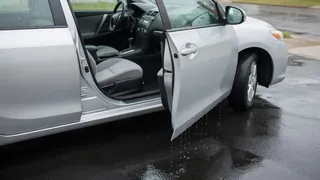
Yes, water can get inside a car door by design. The door is not a sealed box; it is a hollow shell that lets moisture run down the glass, enter through the belt molding, and collect at the bottom. Automakers expect this and provide small drains near the lower seam. The real question is not whether water inside a car door exists, but whether it drains quickly or remains trapped. If it drains after rain, the system is doing its job.
The situation becomes a problem when water inside the car door panel stays long enough to soak insulation, corrode connectors, or leak into the cabin. A Nissan Altima or similar sedan may behave differently by model year, trim level, or body style, but the general principle is consistent. Water leaking inside a car door after rain is usually a symptom of a restricted path rather than a defective sealed cavity.
How it works
The outer glass weatherstrip, often called the belt molding, is not fully watertight. It reduces wind noise and blocks most rain, but a thin film of water still travels down the glass into the door. Once inside, the water should follow the inner face of the door skin to the lowest point, where small drain slots or holes let it escape. This is why a wet door bottom after washing is not necessarily a fault.
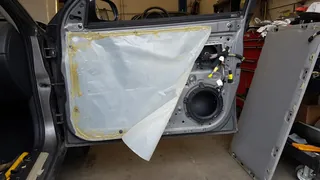
Inside the structure, a plastic or foam moisture barrier separates the wet side from the upholstered trim panel. That barrier protects the door card and can also help direct water away from speakers, switches, and wiring. If the barrier is torn or the drain path is blocked, the normal flow changes. Water can then saturate the panel, create a musty smell, or collect near the door sill and carpet.
Strengths, limitations and suitability
A door with functioning drains has a real advantage: it tolerates normal weather without holding moisture. This works well for daily drivers that sit outside, because the water passes through and evaporates rather than flooding the lower cavity. The limitation is that the design depends on small openings that are easily clogged by leaf debris, pine needles, mud, or accumulated dust.
Different models may handle this differently. A particular vehicle generation, market specification, or powertrain configuration does not change the basic drainage principle, but it can affect the drain size, location, and how easily debris collects. A coupe with long doors may hold more water volume, while a sedan used on dusty roads may clog drains sooner. If you park under trees, the risk of a blocked drain increases.
Procedure
The first inspection step is to look along the underside of the closed door for small drain holes or slots. If you can see them, gently check whether debris is packed across the opening. Avoid forcing a hard tool deep into the cavity. A thin plastic trim tool or a soft brush can usually clear light external blockage without damaging paint or the door skin.
After clearing visible debris, close the door and listen near the lower edge while rocking the vehicle gently or pressing the door. A sloshing sound means trapped water has not yet escaped. If the car is parked on a level surface and the drains are clear, the water should begin to exit. If it does not, there may be a blockage behind the hole or a failed inner seal requiring a closer look.
Diagnosing a problem
When water collects after rain, consider the most likely causes in order. Debris in the drain is common. Deteriorated belt moldings can admit more water than the drains can handle. A damaged moisture barrier can let water reach the trim panel, even if the lower drains are open. If the wetness appears on the door panel or carpet, the barrier is more suspect.
Wetness near the speaker, courtesy light, or lower trim indicates that water is crossing from the outer cavity into the passenger side. A damp smell with no visible outside leak may be caused by soaked sound deadening material. Fault codes are not typically associated with this problem unless water reaches a module or wiring, in which case a diagnostic scan can help identify the affected circuit, but the water path still needs to be confirmed.