Water Damage on Car Paint: How to Recognize It and What It Means

The Short Answer
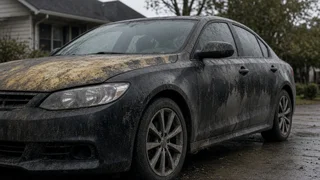
Water rarely harms healthy factory paint on its own. Modern automotive paint is a layered system: primer bonded to the metal, a colored basecoat, and a clear protective topcoat called clearcoat. Water causes visible damage in two main ways. It can leave minerals or pollutants on the surface that dry into spots and sometimes etch the clearcoat. Or it can get beneath the paint through a chip, seam, failed repair or rusting edge and push the paint up from below as bubbles or blisters.
Surface spots are usually cosmetic and often correctable. Bubbles under the paint are more serious, because they usually point to rust forming underneath or to moisture trapped during a poor repaint. If you are evaluating a used car for possible flood history, keep one limit in mind. Floodwater generally does not mark exterior paint in a distinctive way. A flood-damaged car can have flawless paint, and a car with water-related paint problems may never have been flooded. Paint condition is one clue to weigh alongside others, never a verdict on its own.
Types of Water-Related Paint Damage
Water spots on the surface
When water containing dissolved minerals, such as sprinkler water, hard tap water or rain carrying pollutants, evaporates on the paint, it leaves a residue. Spots sitting on top of the clearcoat typically show crisp outlines and can be felt as slight roughness. They usually come off with a thorough wash or a dedicated water-spot remover.
Etched spots in the clearcoat
If the residue sits long enough, especially in heat or sun, or if the water was acidic, it can eat slightly into the clearcoat. Etched spots stay visible after washing and often look like small rings or craters when viewed at an angle. Light etching can often be reduced by machine polishing, which removes a thin layer of clearcoat. Deep etching that reaches through the clearcoat generally requires refinishing the panel.
Bubbles or blisters under the paint
Raised bubbles mean something is lifting the paint from beneath. Common causes include:
Rust under the paint: moisture reaches bare metal through a chip, scratch, seam or edge, and corrosion spreads beneath the paint and pushes it up. This is the most common cause on older vehicles. Moisture trapped during painting: a repaint applied over a damp surface or in humid conditions can seal moisture in, which later forms blisters. Contamination under a repaint: oil, wax, or residue that was not cleaned off before painting can prevent proper adhesion and lead to bubbling. Body filler problems: filler used in a past repair can hold moisture if it was not properly sealed, causing bubbles over the repaired area.
Rust bubbles tend to appear where water collects or lingers: wheel arches, rocker panels (the body sections below the doors), lower door edges, the lower edges of the trunk lid and tailgate, and around windshield and rear window frames. Bubbles concentrated on a single panel, especially one that looks slightly different in color or texture from its neighbors, more often suggest a failed repair.
Conditions that can look like water damage
Not every flaw is caused by water. Clearcoat failure from long sun exposure appears as peeling, flaking or a cloudy, chalky patch, usually on the roof, hood and trunk. Bird droppings and tree sap leave etched marks that resemble water spots but are typically more irregular in shape. Tiny pinholes in a repainted surface can come from solvent escaping during a poor paint job rather than from water.
How to Inspect Paint for Water Damage, Step by Step
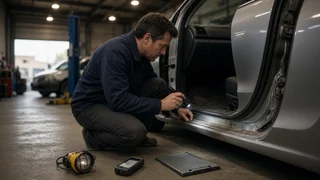
1) Inspect the car clean and dry. Dirt hides spots and texture, and wet paint looks glossier than it really is. If the seller has just washed the car, wait until it has fully dried. 2) Use good, indirect light. Look at each panel from several angles. Shade or bright overcast daylight shows spots and bubbles better than harsh direct sun. A flashlight held low against the surface throws raised areas into relief. 3) Work around the car methodically. Go panel by panel, giving the lower third of the car the most attention, along with door bottoms, wheel arches and the edges of the hood, doors and trunk. 4) Feel the surface. Run your fingertips gently over suspect areas. Surface deposits feel rough. Bubbles feel raised. Etching may feel smooth while still being visible. 5) Open everything. Check door edges, door jambs (the frame surfaces visible when a door is open), the underside of the hood and trunk lid, and the area under the trunk floor covering. Bubbling or rust in these hidden areas matters more than it might seem. 6) Compare neighboring panels. Differences in color shade, gloss or texture between adjacent panels, overspray on rubber seals or trim, or masking-tape edges can indicate a repaint. A repaint is not automatically a problem, but it is worth asking about. 7) Use a paint thickness gauge if available. This handheld tool measures coating thickness. Readings that differ noticeably between panels suggest refinishing or filler. Normal ranges vary by manufacturer, so compare panels on the same car rather than relying on a single reading. 8) Do not damage the car. Avoid pressing hard on, picking at, or breaking bubbles on a car you do not own. If confirming rust under a blister matters to your decision, ask the seller's permission or have a professional assess it.
What Paint Can and Cannot Tell You About Flood Damage
Buyers often search for paint damage when they are really worried about a flood car. A flooded vehicle may show rust appearing sooner than expected for its age, or bubbling along lower edges where water sat. These signs are not specific to flooding. They also appear on cars driven in snowy regions where road salt is used, on cars that live near the coast, and on cars with old, poorly repaired body damage.
Flood damage is usually more evident in places other than the paint. Check these areas whenever flood history is a concern:
A musty, moldy or heavily perfumed interior smell, which may be masking mildew. Dampness, water stains or a visible line of silt or debris on carpets, seat fabric, door panels or in the trunk. Mud, sand or debris in places it shouldn't collect, such as under the dashboard, inside the spare tire well, or in seat rails and seat-belt mechanisms. Rust on unpainted metal inside the cabin, such as seat brackets, screw heads under the dash, or pedal assemblies. Fogging or water droplets inside headlights, taillights or the instrument cluster. Electrical faults: warning lights, windows, locks, the infotainment screen or other electronics that act erratically. New carpet or upholstery in an otherwise older interior, which may indicate a replacement after water damage.
How to Verify What You Found
Your own inspection can raise red flags, but it cannot confirm the cause. Before buying a car with paint bubbling, unexplained rust or any of the flood signs above, take these steps:
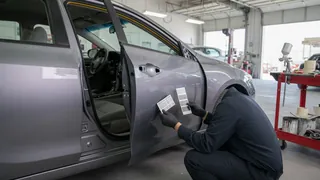
Get a pre-purchase inspection. Have an independent mechanic or body shop look at the car, ideally on a lift so the underside can be checked. A body shop can assess whether bubbles stem from rust or from a failed repair and roughly how far the damage extends. Check the vehicle's history. In the US, the National Insurance Crime Bureau offers a free VIN lookup that can show whether an insurer has reported the car as a total loss or as stolen. Commercial vehicle history reports and the federal National Motor Vehicle Title Information System can reveal title brands. The VIN is the vehicle identification number, usually visible at the base of the windshield and on the driver's door jamb. Look at the title itself. Many US states use brands such as flood, salvage or rebuilt on titles. The terms used and the rules that apply vary by state, and a car moved between states may not carry a brand it should. A clean title therefore does not guarantee the car was never flooded. Ask the seller directly. Ask about past repairs, repaints, rust treatment and any water exposure. Get the answers in writing if possible.
Deciding What to Do Next
Surface water spots on an otherwise sound car are generally a detailing issue and should not, by themselves, rule out a purchase. Etching that needs polishing or refinishing is a cosmetic cost to factor into the price. Bubbling under the paint deserves more caution, because rust under paint typically keeps spreading until the affected metal is cut out or treated and the area is refinished. It can be more extensive than the visible bubble suggests. When bubbling appears together with interior flood signs, history-report warnings or a branded title, a professional inspection is strongly advisable before committing.
Repair costs and the timeline for rust to worsen depend on the vehicle, the extent of damage, local labor rates and climate. This guide does not include figures for them. Get a written estimate from a body shop for the specific car you are considering.