Smoke damage car paint
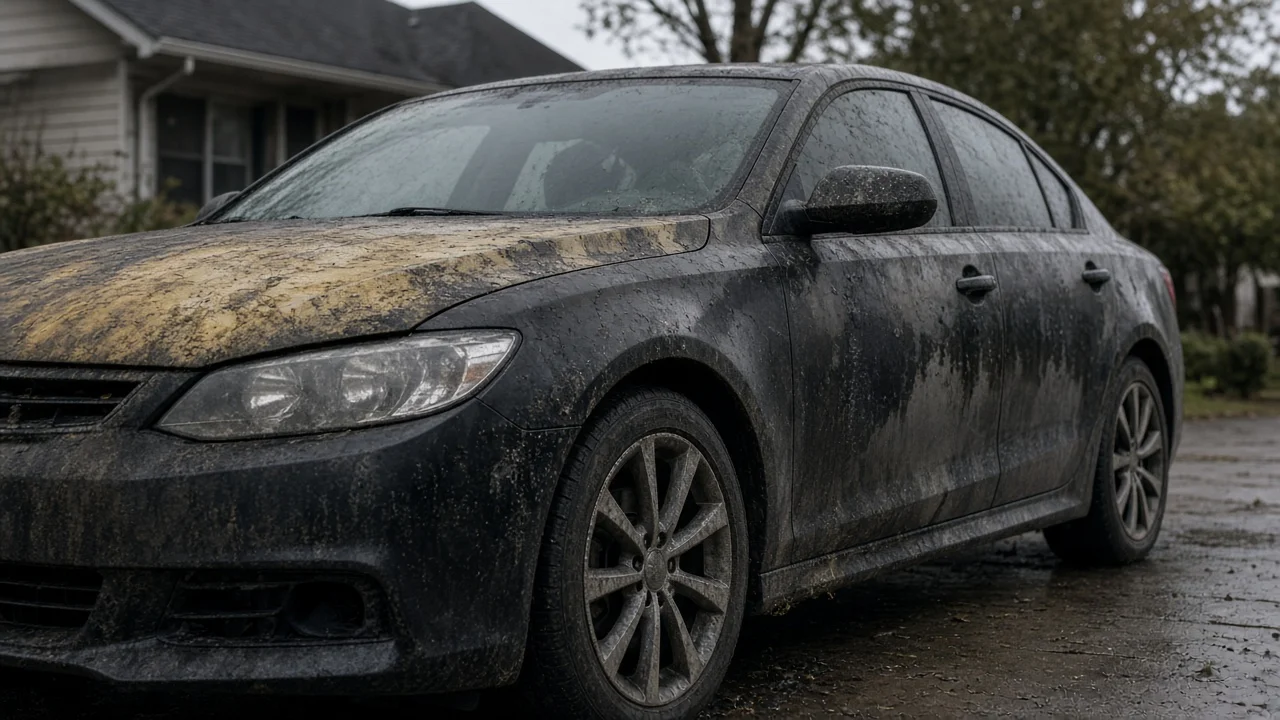
When a vehicle sits near a structure fire, wildfire, or a burning roadside object, the finish can develop discoloration, dark streaking, and a persistent acrid odor. Smoke damage car paint is not usually a simple layer of soot; the problem includes heat exposure, acidic residue, and chemical fallout that can bond to the clearcoat or migrate into porous trim. Understanding how smoke interacts with the substrate material and existing coating compatibility helps an owner judge whether a careful wash, decontamination, surface preparation, or a more involved repair method is appropriate before visible corrosion or clearcoat failure appears.
Essential answer
The essential answer is that smoke can affect automotive paint through three related mechanisms: fine soot and ash landing on the surface, oily or acidic combustion residue etching the clearcoat, and radiant heat softening or discoloring the finish. Soot alone is often removable if addressed promptly, but the residue can become more aggressive when moisture activates it. The damage may look like gray or brown film, water spots that remain after washing, or a rough texture on horizontal panels where fallout settled. Because clearcoat is the first line of defense, its condition often determines whether the repair is cosmetic cleaning or refinishing.
The scope also changes with paint type and panel location. Modern basecoat-clearcoat finishes resist some chemical intrusion because the clear layer protects the color coat, while older single-stage or heavily oxidized paint can absorb contaminants more readily. Horizontal surfaces such as the hood and roof collect more ash, while crevices around trim and panel alignment gaps can trap residue and odor. A proper assessment begins with checking whether the coating is merely contaminated or has begun to fail, since aggressive compounding over softened clearcoat can remove material and reduce the long-term corrosion protection the finish provides.