How to Find a Car Paint Code or Color by VIN
If you want to find a paint code by VIN, there is one important limit to know first. On most vehicles sold in the US, the paint code is not part of the 17-character Vehicle Identification Number. The VIN identifies the manufacturer, model, body style, engine, model year, assembly plant and serial number. It does not encode the exterior color. The VIN is still very useful because it unlocks the vehicle's factory build record. A dealer, the manufacturer or a paint supplier can use that record to tell you the original paint code and color name. The fastest route is usually to skip the VIN and read the paint code directly from the identification label on the car. Use the VIN when that label is missing, damaged or hard to read, or when you want to confirm what you found.
Paint code vs. color name
A paint code is the manufacturer's short alphanumeric identifier for a specific factory color, often two to four characters. The color name is the marketing name, such as a particular shade of silver or blue. Paint stores and body shops mix paint from the code, not the name, because one manufacturer may offer several similar-sounding colors and may reuse a name across years with a different formula. When people ask how to find the color of a car by VIN number, the code is usually what they actually need.
Where to find the VIN
Driver's side of the dashboard, visible through the bottom of the windshield; Driver's door jamb, on the certification or tire label; Vehicle title and registration card; Insurance card or policy documents; Service records and some repair invoices
Write down all 17 characters carefully. The letters I, O and Q are not used in modern VINs, which helps avoid confusion with 1 and 0.
Where the paint code label is usually located
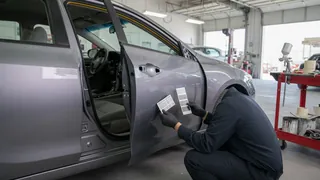
Manufacturers print the paint code on a vehicle identification, certification or service parts label. The location varies by brand, model and year, so check these common spots in order:
Driver's door jamb or the door edge, often on the same sticker that shows the VIN and manufacture date; Passenger door jamb on some models; Under the hood, on the radiator support, strut tower or firewall; Inside the glove box, on a service parts label used by some manufacturers; In the trunk, under the floor cover or near the spare tire well; Inside the fuel door or on the inner trunk lid on some vehicles
Look-alike labels can cause confusion. The tire pressure placard lists sizes and pressures, not colors. Emissions labels under the hood list engine and emissions information. The label you want usually includes a short field marked for paint or color, sometimes next to a trim code.
How to read the label
Labels rarely say "paint code" in full. Look for an abbreviation followed by a short code. The table below lists common markings. Exact formats differ between manufacturers and model years, so treat it as a guide, not a rule for every vehicle.
Marking on label | What it usually means; PAINT, PNT or EXT PNT | Exterior paint code; COLOR or CLR | Exterior color code; C/TR | Color and trim; the paint code is usually the first part, the interior trim code follows; BC/CC | Base coat / clear coat; the code beside it is the paint code; TR or TRIM | Interior trim color, not exterior paint; Codes marked for upper and lower body | Two-tone paint, with a separate code for each section
Don't confuse the interior trim code with the exterior paint code. If a label shows two codes side by side under one heading, the exterior paint is typically listed first, but confirm it with the steps below when it isn't clearly marked.
How to find the paint code using the VIN, step by step
1) Check the vehicle labels first. If you find a clearly marked paint code, note it along with the color name if shown, then go to the verification step. 2) Call a franchised dealer's parts or service department for your brand. Give them the VIN and ask for the original exterior paint code and color name. Dealers can usually pull the factory build data from the VIN. Many will do this quickly by phone. 3) Ask an automotive paint supplier or auto parts store with a paint counter. Many can look up paint codes from the year, make and model, and some can narrow the choice with the VIN or build data. 4) Contact the manufacturer's customer service line with the VIN if a dealer isn't convenient. They can often confirm the original color. 5) Check original documents. The window sticker, original sales paperwork or a factory build sheet may list the color name, and sometimes the code. 6) Use an online VIN decoder as a supporting check only. Many free decoders return basic specifications but not color. Some return a color name without the code. Treat any result as a lead to confirm, not a final answer.
Verify the result before buying paint
A paint code tells you the factory color. It does not guarantee a perfect match on your car today. Before committing to a repair, run these checks:
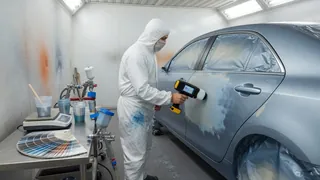
Confirm that the code and color name agree with each other and with the car's year, make and model. Compare the code against a paint chip or color chart at the paint supplier, in daylight, next to the vehicle. Ask whether the code has variants. Manufacturers sometimes produce slightly different shades under one code, depending on plant or production period. Suppliers may list these as alternates. Spray a test card and compare it with the car before painting a panel. This is the most reliable check, especially for metallic and pearl colors.
When the factory code may not match your car
The car has been repainted. A VIN lookup returns the original factory color, not a later color change. If the car is now a different color, the factory code won't help, and a body shop may need to match the current finish by eye or with a color-matching device. Panels were repaired in the past. A previous repair method or blend may have left a panel slightly different from the rest of the car. The paint has faded or weathered. Sun exposure changes the appearance of older finishes, so new paint mixed to the factory formula can look different next to aged paint. The color is a tri-coat or special effect finish. These layered paints are harder to match and usually need professional application. Parts are made of different materials. Plastic bumpers and metal body panels can look slightly different even with identical paint, because the substrate material and the way paint lays on it affect the final appearance.
Choosing the next step for the repair
For small chips and scratches, touch-up paint mixed to your code is often enough. Clean the area well and follow the product's directions for primer and clear coat. Careful surface preparation, along with addressing any exposed bare metal promptly, helps maintain corrosion protection. Confirm coating compatibility with the supplier, since the type of paint already on the car affects which touch-up or refinish products bond and look correct.
For larger damage, panel replacement or a collision repair, take the paint code to a professional body shop. They can handle color blending into adjacent panels, tri-coat finishes, and checks such as panel alignment so the repaired area matches in both color and fit. Giving the shop your VIN and paint code at the start helps them order the correct materials.
Quick summary
The VIN itself usually does not contain the color, but it is the key to the factory record that does. Look for the paint code on the door jamb, under the hood, in the glove box or in the trunk first. If you can't find it, give the VIN to a dealer, the manufacturer or a paint supplier. Confirm the result with a color chip or a sprayed test card before painting, and plan around repaints, fading and special finishes, which can make the factory code an imperfect match.