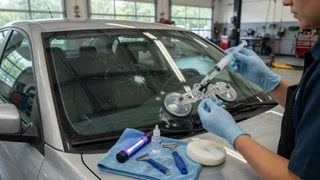
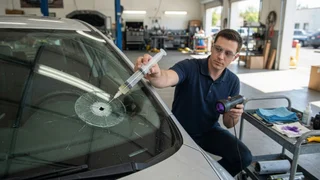
Watch a windshield chip repair video
A windshield chip can spread from a small impact into a long crack within days, especially when temperature changes or road vibrations load the glass. Watching a repair process helps you understand whether the damage is a candidate for resin injection or whether replacement is the safer path. Glass repair restores some structural continuity and improves visibility, but the result depends on the damage location, size, age, and contamination inside the break. The video format is useful because it shows the tools, vacuum and pressure cycles, curing step, and the realistic final appearance rather than promising an invisible repair. This overview explains what you should look for when evaluating any similar windshield chip repair video.
Essential answer
A windshield chip repair video typically demonstrates how a clear polymer resin is introduced into a damaged outer glass layer. The goal is to fill the impact point and any short legs, displace trapped air, and restore a smoother optical surface. The process does not erase the damage completely; instead, it limits further cracking and reduces distracting glare at the blemish. Before watching, understand that the outer lite of laminated windshield glass carries most stone damage, while the inner lite and plastic interlayer usually remain intact. A repairable break is generally small, away from the driver's central sight line, and not contaminated with moisture or debris.
The video is especially valuable for recognizing that repair quality depends on clean preparation and patient resin penetration. You may see a bridge injector sealed over the impact point, followed by alternating pressure and vacuum cycles that encourage resin into narrow crack tips. The technician then cures the resin under a UV lamp and scrapes or polishes the surface. Watching multiple examples reveals normal variation in final clarity. Some repairs become nearly invisible; others leave a faint scar or slight distortion. The essential answer is that chip repair can be a practical and lower-cost alternative to windshield replacement when the damage falls within repairable limits and the sealing surface around the glass remains sound.
Diagnosing a problem
If you are watching a repair video because your windshield has fresh damage, first observe whether moisture has entered the chip. Water or wiper fluid inside the break interferes with resin adhesion and can leave a cloudy repair. Cover the chip with clear tape if the vehicle must sit outside before service. Look at the impact from inside and outside the glass. A single small bullseye, star, or short crack often suits resin repair. A crack reaching the edge of the glass, a break larger than a typical coin, or damage directly in front of the driver's primary viewing area may require replacement rather than a video-guided repair attempt.
The windshield also contributes to roof support and airbag performance, so the area around the mounting points and sealing surface matters. A chip near the frit band should be checked carefully, but a break close to the edge often spreads quickly and may not hold resin under body flex. If you notice the crack lengthening after a temperature change or a firm door slam, replacement should move higher on your list. The video format helps you decide whether your own damage resembles a repairable candidate, but it cannot confirm fitment or adhesive compatibility for your specific vehicle.