DIY windshield chip and crack repair
A small stone can turn a clear windshield into a distracting flaw, but not every impact requires a full replacement. A windshield glass repair kit is designed for the common bullseye, star break, or short crack before dirt and moisture spread through the laminate. DIY windshield chip and crack repair works best when the damage is small, fresh, and outside the driver’s direct line of sight. Understanding how the resin fills the damaged glass—and where a windscreen glass repair kit cannot restore structural strength—helps you decide between a careful repair and professional service.
Essential answer
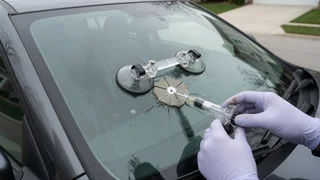
A windshield glass repair kit can stabilize and visually reduce many small impact points by injecting a curable resin into the damaged area. The resin displaces air, bonds to the surrounding glass, and helps prevent a chip from spreading into a longer crack. This kind of windshield glass fix is most appropriate for fresh damage roughly coin-sized or smaller, with no debris ground into the fracture and no crack extending beyond a few inches. It is not a way to make severe damage disappear or to restore the original clarity perfectly.
The difference between a windshield repair diy kit and replacement matters for both function and cost. Laminated windshields gain much of their strength from the outer glass layer, so a repair restores some continuity but not the complete original glass specification. A do-it-yourself system provides a temporary or long-term way to preserve visibility and reduce crack growth, especially when the sealing surface is clean and the damage is away from edges. For large, deep, or spreading damage, replacement remains the safer course.
Diagnosing a problem
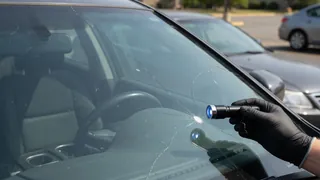
Before applying a windshield repair system, inspect the damage in daylight and from different angles. A bullseye with a small dark center often fills well, while a tightly packed star with radiating legs or a surface pit may leave visible marks. Run a fingernail across the glass to feel loose edges, and look at the sealing surface around the impact. If the crack reaches the windshield edge or penetrates both glass layers, a kit is unlikely to create a dependable repair because the structural path is already compromised.
Moisture and contamination are common reasons a windshield crack repair diy attempt fails. Water inside the break refracts light and prevents adhesive compatibility between the resin and glass, often leaving a cloudy or weak fill. If the vehicle has been wet, moved through temperature swings, or the damage has been present for weeks, the break may need drying before repair. A spreading crack that grows while parked, or damage that sits directly in the driver’s view, is reason to stop and seek professional evaluation rather than risk a repair that worsens visibility.