How to Get a Windshield Chip Repaired for Free
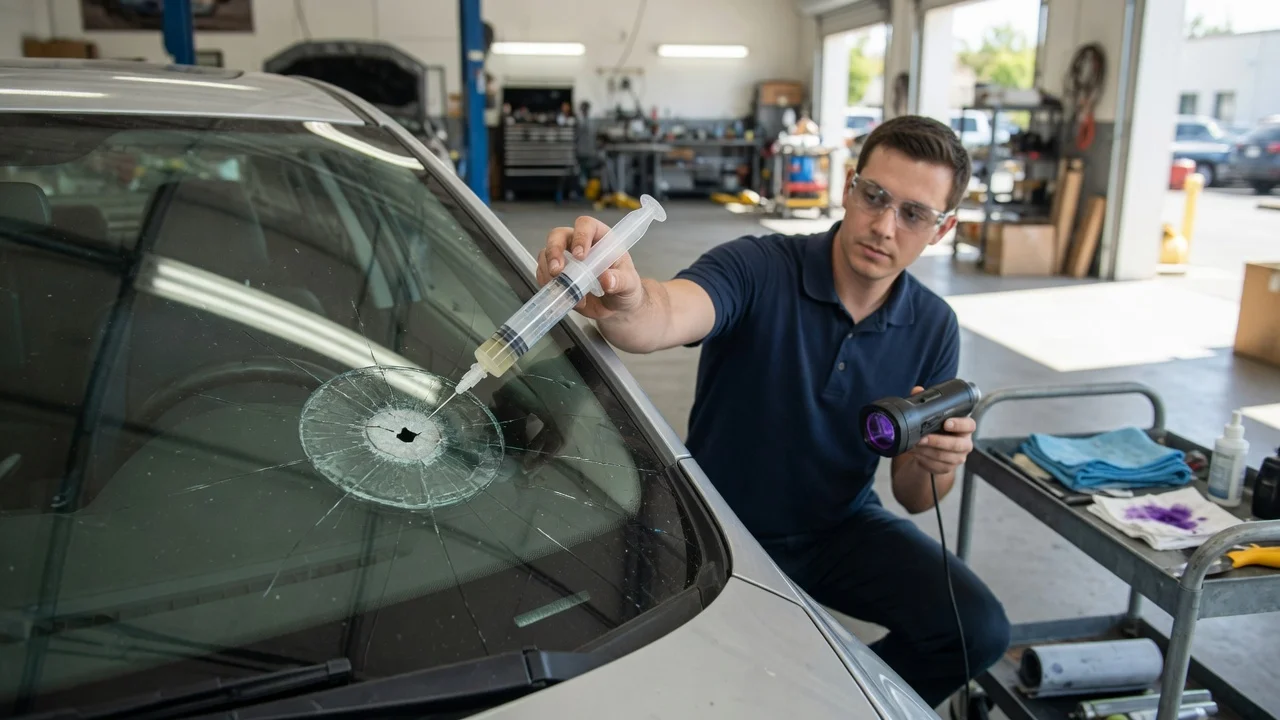
Windshield chip repair is often free if your auto insurance includes comprehensive coverage, because many insurers waive the deductible for repairs, as opposed to full replacement. It is not free by default. Whether you pay depends on your specific policy, any glass coverage add-on, the rules where the car is registered, and whether the damage can still be repaired at all. If the chip has already spread into a crack, or sits where a repair isn't allowed, you may be looking at a replacement, which usually brings your deductible back into play.
What decides whether chip repair costs you anything
Factor | Why it matters; Comprehensive coverage | Glass damage from road debris is normally handled under comprehensive, not collision or liability. Liability-only policies generally do not cover your own glass. Glass deductible or full glass endorsement | Some policies carry a separate, lower, or zero deductible for glass. This is often listed as an optional add-on. Repair versus replacement | Insurers that waive the deductible commonly do so only for repairs, because a repair costs them far less than a new windshield. State or regional rules | Some jurisdictions have rules on glass deductibles and on your right to choose a shop. These differ by location and change over time, so confirm the current rules for where the vehicle is insured. Warranties and service plans | Some glass shops, dealer protection packages and extended service contracts include chip repair. Coverage depends entirely on the contract terms.
How to check if your repair will be free
Find your policy declarations page and confirm you have comprehensive coverage. Look for a glass deductible, a full glass endorsement, or wording about glass repair being covered without a deductible. Call your insurer or use its glass claim line. Ask directly whether chip repair is covered at no cost to you, and whether a glass claim is recorded in a way that could affect your premium or claims history. Ask whether you must use a network shop or may choose your own, and whether mobile repair at home or work is an option. If you have a glass shop warranty, dealer protection plan or service contract, read its terms for chip repair before filing an insurance claim.
When a chip may not qualify for repair
A repair involves injecting resin into the damaged area, then curing it. The goal is to restore strength and reduce how visible the chip is. It cannot fix every type of damage. Repair shops and insurers use their own limits on size, depth and position. These limits vary, and this guide cannot give exact thresholds. As a rule, repair becomes less likely in the following cases:
The chip has grown into a crack, especially a long or spreading one. The damage is directly in the driver's line of sight, where even a good repair can leave some distortion. The chip is close to the edge of the glass, where cracks tend to spread more readily. There are several impact points, or the damage goes through more than the outer layer of glass.
If replacement is needed, ask whether the vehicle has driver-assistance cameras or sensors mounted behind the windshield. Many newer vehicles need these systems recalibrated after a windshield replacement. Whether yours does depends on the model year, trim and equipment. Confirm whether calibration is included in the claim or quote.
Protecting the chip until it's repaired
Chips tend to spread with temperature swings, vibration and pressure on the glass. Getting the repair done soon gives you the best chance of keeping it free. Until then, you can cover the chip with clear tape to keep out dirt and moisture. Avoid blasting hot or cold air from the defroster directly onto cold or hot glass, skip high-pressure car washes, and close doors gently. If a crack starts spreading into your view of the road, stop relying on a repair. Arrange an inspection for replacement.
Be careful with unsolicited free repair offers
Some businesses advertise free chip repair in parking lots or door to door, then bill your insurer directly. That is not always improper. However, you remain responsible for the claim that gets filed under your policy. Before agreeing, confirm that the shop will work with your insurer, ask what will be billed, and do not sign over claim rights or approve a replacement you were not told you needed. Contacting your insurer first is the most reliable way to keep control of the process.
What this guide cannot confirm
No specific insurer terms, regional laws, repair size limits or prices were available for this article. Deductible waivers, shop-choice rules and claim-history effects all vary by insurer, policy and location. Use your policy documents and a direct conversation with your insurer or warranty provider as the final word on whether your repair will cost nothing.