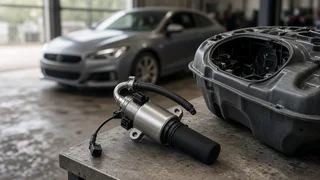
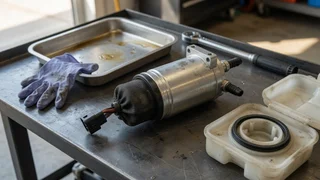
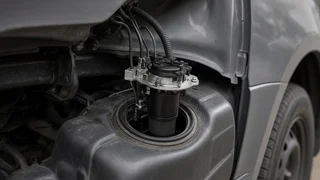
Walbro in-tank fuel pump
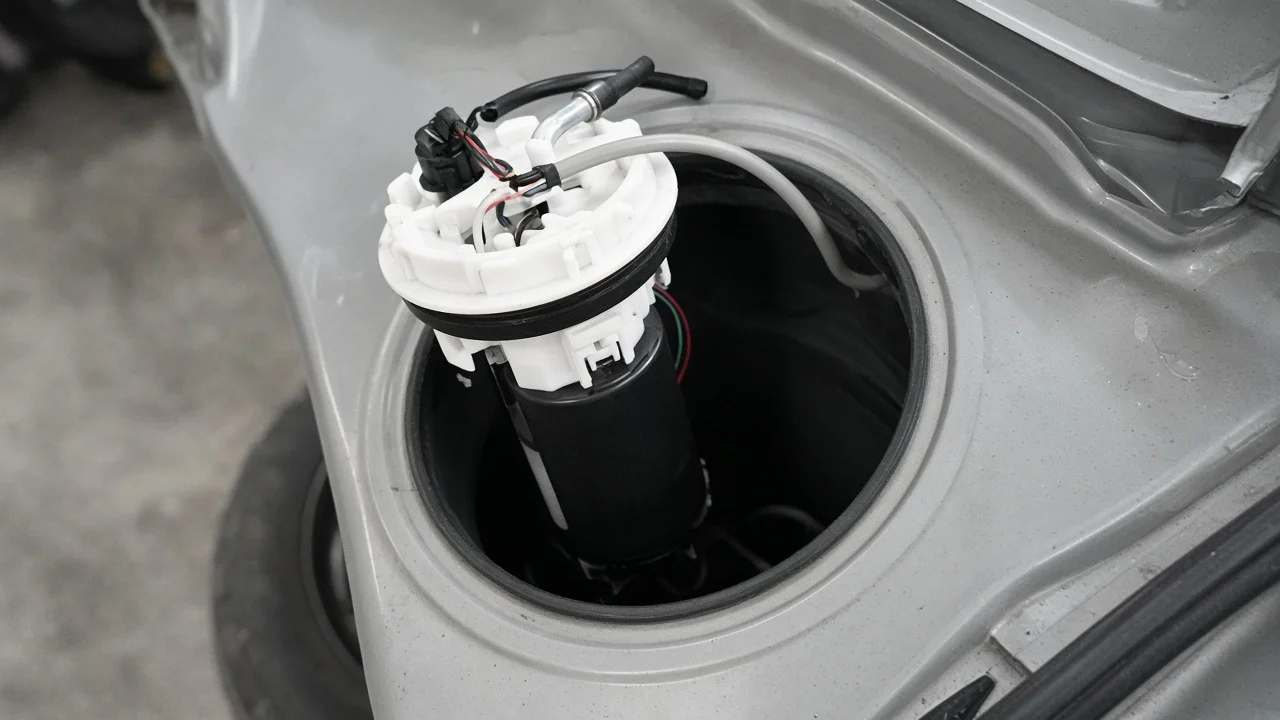
A Walbro in-tank fuel pump is often chosen when the factory unit cannot maintain adequate fuel pressure, especially after engine modifications or when an original pump is aging. The decision usually comes down to matching flow, fitment, and electrical demands to the vehicle. Because the pump sits submerged in fuel, installation and selection affect hot starting, pump cooling, and long-term reliability. The measured demand commonly compares the standard Walbro in tank fuel pump and the hyphenated Walbro in-tank fuel pump for the same shopping intent, so buyers are generally researching one replacement category rather than separate product lines.
The direct answer
The immediate answer is that a Walbro in-tank fuel pump can be a suitable high-flow replacement for many EFI vehicles, but it is not universally correct for every tank, sending unit, or fuel system. The buyer should first confirm the pump body diameter, inlet arrangement, outlet fitting, and wiring connector against the existing module or hanger. A pump that physically drops into the tank may still need a new filter sock, isolator sleeve, or hose. On returnless systems, the pump must also match the pressure control strategy, not simply the maximum flow rating.
Fuel demand is the condition that changes suitability. A pump that supports more flow than the injectors need will return excess fuel to the tank on return-style systems, which can heat the fuel but usually remains controllable. On a returnless system with a mechanical regulator in the module, pump output must track expected pressure without overwhelming the regulator. The key check is whether the pump can hold pressure under load while fitting the original electrical circuit. A higher-current pump may require a relay or upgraded wiring if the factory feed cannot carry the added draw.