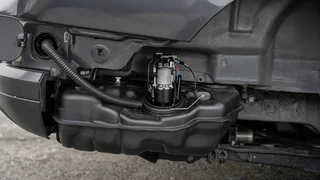
Walbro 255 in-tank fuel pump
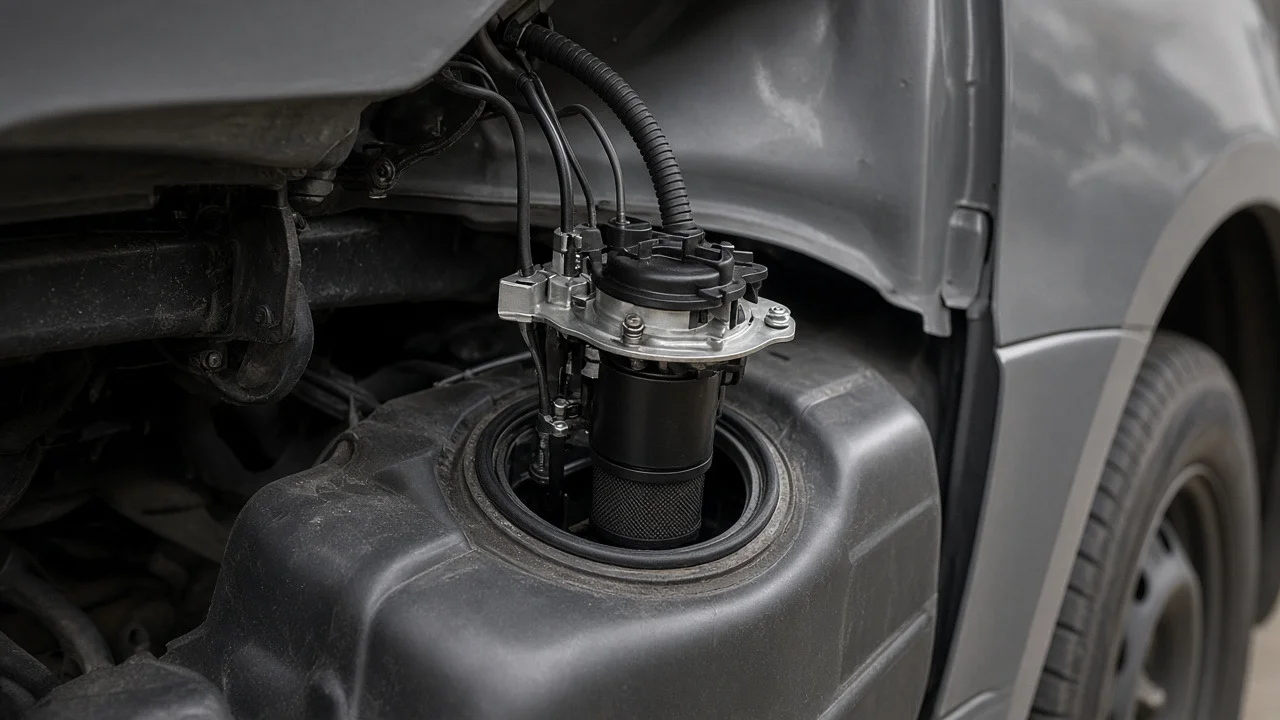
Choosing a replacement Walbro 255 in-tank fuel pump means matching flow capacity to the fuel system, not simply buying a part that physically fits. This pump is widely referenced for engines that need more fuel volume than a stock unit can deliver, particularly in modified or forced-induction setups. The in-tank mounting places it where it can stay cooled by fuel and draw efficiently, but installation details such as the sending unit, wiring, and fuel pressure regulation affect results. This guide explains what to evaluate before purchase and how to interpret fitment, flow, and supporting-system requirements.
The direct answer
The Walbro 255 in-tank fuel pump can be a suitable upgrade when a stock pump cannot maintain required fuel pressure at higher engine load or after modifications increase injector demand. Its common 255 liters-per-hour rating describes flow volume, but actual delivery depends on system voltage and the operating fuel pressure the engine configuration requires. A pump described as in-tank is intended to sit inside the fuel tank, usually on a factory-style hanger or aftermarket mounting assembly, so the installation environment and electrical supply matter as much as the pump body itself.
Before buying, verify that the pump assembly matches the tank opening, sender depth, and return-style or returnless fuel system layout. The pump alone is only one part of the fuel delivery chain: a restrictive fuel filter, undersized wiring, a failing fuel pressure regulator, or a clogged pickup sock can reduce fuel volume even with a capable pump. The direct answer is that this pump may resolve a pressure or volume shortfall, but only when the supporting fuel system is in sound condition and the pump is correctly adapted to the vehicle.