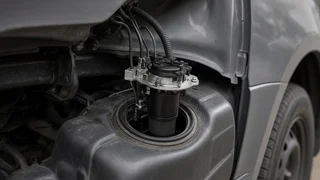
255 LPH In-Tank Fuel Pump
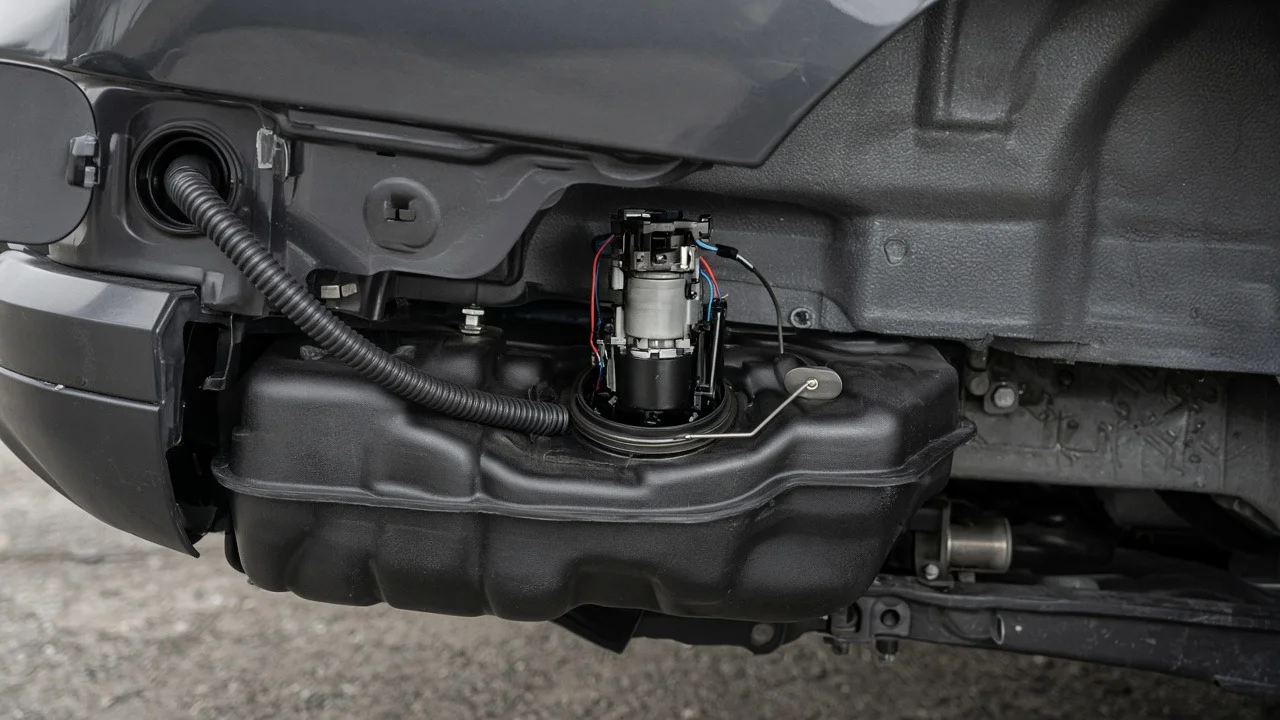
Choosing a 255 LPH in-tank fuel pump usually means supporting a modified engine, a forced-induction setup, or a higher-flow fuel system where the stock module can no longer keep fuel pressure stable under load. A 255-liter-per-hour rating describes delivery volume, but the useful result depends on system voltage, line size, fuel filter condition, and how the pump works with the existing injector and engine configuration. This guide explains what that flow figure means in practical terms, what conditions change its real-world performance, and which warning signs suggest the current in-tank unit is falling behind demand.
The direct answer
A 255 LPH in-tank fuel pump is a common upgrade for vehicles that need more fuel volume than the factory pump can supply, particularly when fuel pressure must remain steady at high engine load. The rating is a flow benchmark, not a guarantee of pressure at the rail, because the pump output delivered to the injectors is affected by voltage at the pump, wiring condition, and restriction from a dirty fuel filter. Before buying, confirm that the pump assembly matches the tank depth, sender mounting, and factory module retention so the replacement does not create a fitment or fuel-level reading problem.
When the pump is properly matched to the system, it can support increased fuel demand without forcing the fuel trims to compensate excessively. A lean condition, falling pressure under boost, or a pump that becomes noisy after hard driving can indicate the current unit is not maintaining enough flow. The 255 LPH rating should be treated as one part of the fuel delivery chain: a healthy supply line, clean filter, and adequate regulator are also required for the extra volume to reach the injectors predictably across idle, cruise, and wide-open throttle.