VW CC Tire Cupping Fix
Tire cupping on a Volkswagen CC usually appears as rhythmic low spots worn around the tread, often paired with a deep, speed-sensitive hum that can be mistaken for a wheel bearing. The fix depends on finding the mechanical or geometric cause rather than simply replacing rubber. Because the CC is sensitive to alignment angles, suspension wear, and wheel balance, a durable solution often combines correcting the underlying fault with thoughtful tire selection and rotation.
Essential answer
A practical VW CC tire cupping solution begins by identifying why the tread is making intermittent contact with the road. Cupping, sometimes called scalloping, is a wear pattern in which sections of the tread block wear lower than adjacent areas. The resulting uneven surface creates noise and vibration, and simply installing new tires without addressing the cause usually allows the pattern to return. On this platform, worn dampers or suspension bushings are common contributors because they reduce the tire's ability to stay planted.
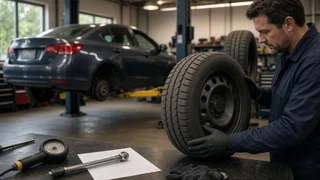
The most useful immediate step is an inspection that includes tire condition, inflation pressure, suspension components, and a four-wheel alignment check. Pay attention to the relationship between the measured angles and the observed wear. If a rear tire shows cupping, rear alignment and suspension movement deserve special scrutiny. Matching tire size, load index, and speed rating to the vehicle placard also helps keep the contact patch stable under load.
Diagnosing a problem
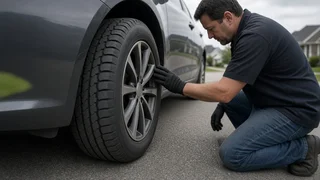
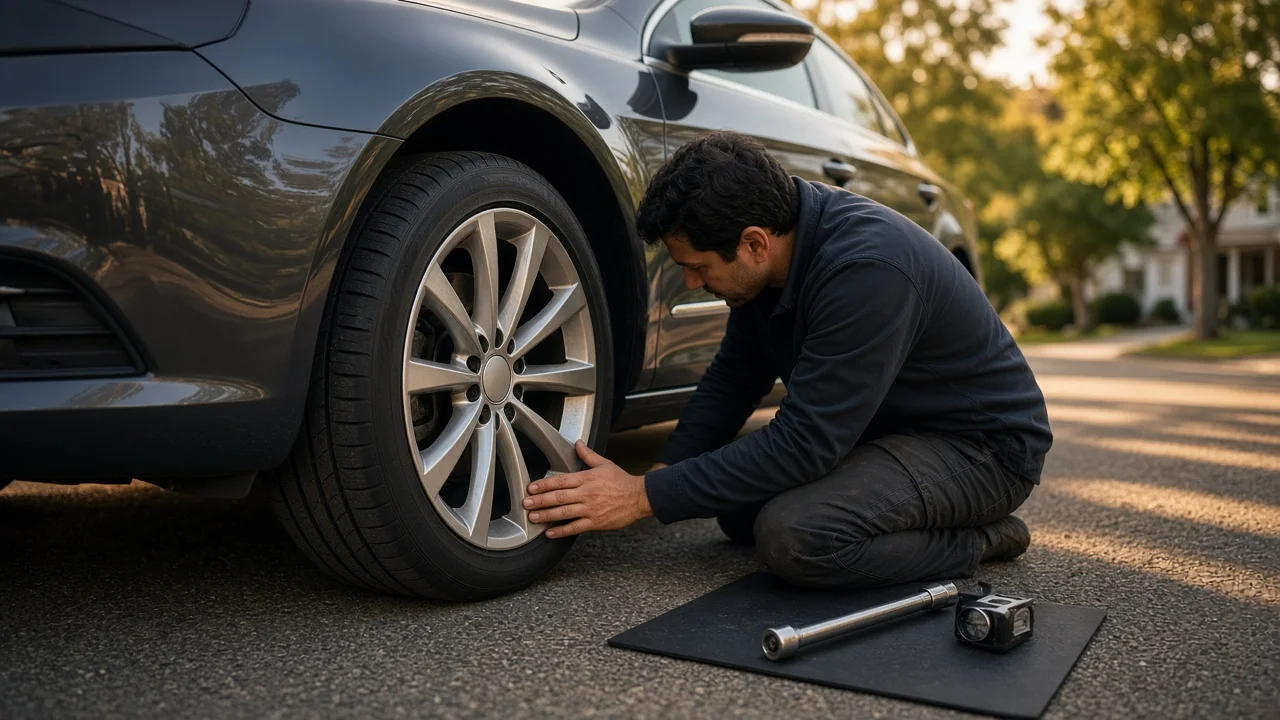
Diagnosing cupping begins with a close look at the worn tire. Run your hand along the tread in both directions; a cupped tire often feels saw-toothed or wavy because individual tread blocks have uneven leading and trailing edges. Rotating tires can help reveal whether the wear follows a position or a specific tire. If the pattern moves with the tire, balance or internal construction may be suspect, while position-related wear points toward alignment, suspension, or chassis angles.
A fault code related to chassis systems is evidence to interpret, not proof that a particular part has failed. On a CC, codes should be read alongside physical observations such as leaking struts, torn bushings, or uneven ride height. Uneven damping allows the wheel to bounce at a frequency that can machine the tread into cups. If the vehicle exhibits loose steering, clunking, or consistent vibration that changes with road speed, stop diagnosing by tire replacement alone and have the suspension and wheel assemblies evaluated.