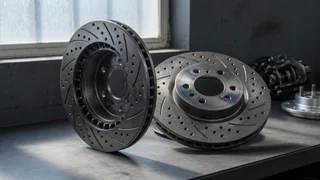
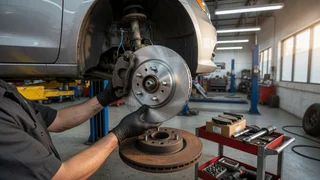
Ventilated brake discs
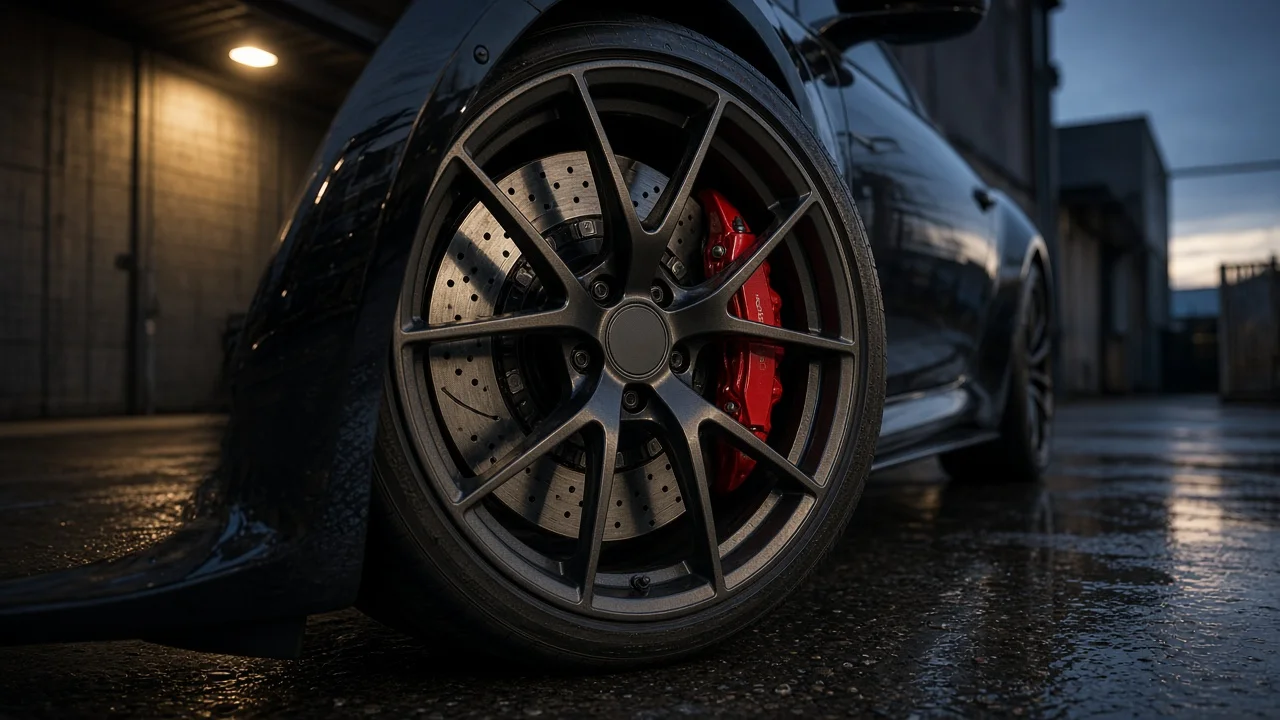
Choosing ventilated brake discs affects how confidently a vehicle slows during repeated stops, downgrades, or loaded trips. Unlike a solid rotor, a ventilated design uses internal vanes between two friction faces to shed heat before it destabilizes braking. For drivers comparing replacement parts, this matters most when brake pads, calipers, and brake fluid are already working correctly. The right choice depends on vehicle fitment and honest expectations about driving conditions. Understanding rotor cooling, wear limits, and how friction material interacts with the disc helps turn a generic parts search into a sensible purchase for real braking demands.
The direct answer
Ventilated brake discs are the better purchase for most front-axle applications where repeated braking accumulates heat. The internal air gap and curved or straight vanes pump cooler outside air through the rotor while the wheel spins, lowering peak temperatures at the friction surface. That cooling preserves a more consistent bite from the brake pads, reduces the chance of fluid boiling inside the caliper, and helps prevent the hard pedal fade that appears after long descents or frequent hard stops. If vehicle fitment supports this rotor type, it is usually the appropriate replacement rather than a downgrade to a solid design.
When comparing parts, the meaningful condition is whether your braking actually produces sustained heat. Short urban trips with gentle stops rarely expose the difference, but towing, mountain driving, or aggressive commuting does. The rotor works as part of a system: fresh brake fluid resists heat, compliant caliper slides avoid dragging, and pads matched to the disc keep friction predictable. A ventilated rotor cannot fix a sticking caliper or worn friction material. It is an upgrade path that pays off only when the rest of the hydraulic and friction components are in sound condition.