Vehicle Inspection Checklist for South Africa: What a Roadworthy Test Covers
The short answer
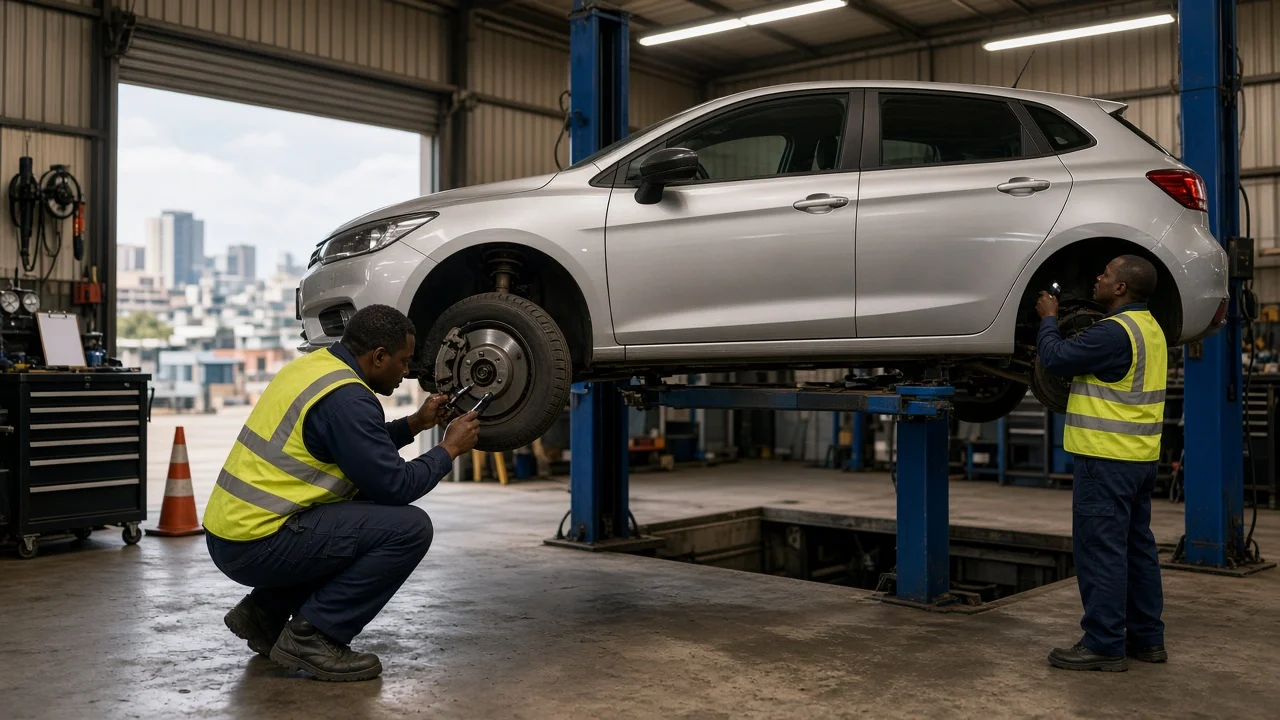
In South Africa, a vehicle inspection usually means the roadworthy test that leads to a roadworthy certificate (often shortened to RWC). The test is carried out at a registered vehicle testing station and confirms that the vehicle is correctly identified and that its safety-related systems meet the national roadworthiness requirements. A useful checklist covers the vehicle's identity and documents, braking, steering and suspension, wheels and tyres, lights and signalling, visibility equipment, occupant safety items, and the general condition of the body, chassis and exhaust.
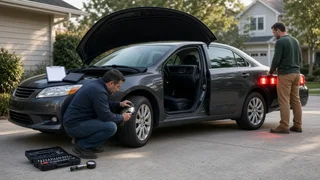
There is one important qualification. The phrase is also used for a different document: the routine pre-trip or pre-use inspection sheet that fleet operators and employers ask drivers to complete. That sheet is an internal safety record. It does not replace an official roadworthy test and does not produce a certificate. This guide focuses on the official roadworthiness inspection, and the template below is meant to help you prepare a vehicle before taking it to a testing station.
When a roadworthy certificate is typically required
Under South Africa's road traffic legislation, a roadworthy certificate is generally needed in these situations:
When a used vehicle changes ownership and is registered in the new owner's name; When a vehicle is being re-registered after it was deregistered or recorded as unroadworthy; When a traffic officer has issued a notice ordering that the vehicle be taken off the road until it is tested; For certain vehicle categories that must be tested periodically, such as some public transport and commercial goods vehicles
Which categories require periodic testing, and how often, depends on the vehicle's class and use. No confirmed figures were available for this guide, so check the current rules with your provincial licensing authority or a registered testing station before relying on them.
What the inspection checks
Testing stations work from a national standard for roadworthiness testing. The exact pass criteria and measurement limits are not covered here because no verified figures were supplied. The areas below are the ones commonly examined on a light passenger vehicle.
Identification and documents
The examiner checks that the vehicle identification number (VIN, the unique serial number stamped on the body or chassis) and the engine number are present, legible and match the registration documents. Number plates must be fitted, readable and correct. Bring the registration certificate or proof of ownership and your identity document. Tampered, missing or mismatched numbers can stop the test, and they may need to be resolved with the authorities before testing can continue.
Brakes
Both the service brake (the foot brake) and the parking brake are assessed for effectiveness and balance from side to side, usually on a brake-testing machine. Examiners also look for leaking brake lines or fluid, worn components and a pedal that feels spongy or sinks.
Steering and suspension
The steering is checked for excessive free play (movement at the steering wheel before the wheels respond) and for worn joints, tie-rod ends and racks. Suspension components such as shock absorbers, springs, bushes and ball joints are inspected for leaks, breakage and looseness.
Wheels and tyres
Tyres are checked for adequate tread depth, cuts, bulges, exposed cords and uneven wear. Tyres on the same axle should be compatible in size and construction. Wheels must be undamaged, with all wheel nuts present and secure.
Lights and electrical signalling
Headlamps (dipped and main beam, including their aim), park lights, tail lights, brake lights, indicators, hazard lights, reverse lights and the number plate light must all work, and lenses must not be broken. Reflectors must be present. The hooter (the South African term for the horn) must sound properly.
Visibility
The windscreen is inspected for cracks and chips, especially in the driver's line of sight. Wipers and washers must work, and the required mirrors must be fitted, secure and usable.
Occupant safety and interior
Seatbelts should latch, retract and be free of fraying. Seats must be firmly anchored. Doors should open and close from inside and outside, and their latches must hold. The speedometer is expected to work.
Body, chassis, exhaust and leaks
The body and chassis are checked for structural rust, damage and sharp protruding edges. The exhaust system must be securely mounted and free of leaks, and the vehicle should not emit excessive smoke. Examiners also look for oil, fuel and coolant leaks, a missing fuel cap, an insecure battery and damaged wiring.
Pre-test checklist template
Use this template to inspect a vehicle yourself or with a mechanic before booking a test. It is a preparation aid based on the areas above, not an official testing-station form. Mark each item as pass, fail or repaired.
Area | Item to check | Pass / Fail / Repaired | Notes; Documents | Registration certificate or proof of ownership, ID document | |; Identification | VIN and engine number legible and matching papers; plates fitted and readable | |; Brakes | Foot brake firm and effective; parking brake holds; no fluid leaks | |; Steering | No excessive free play; no knocking or worn joints | |; Suspension | Shocks not leaking; springs and bushes intact; no looseness | |; Tyres | Adequate tread; no cuts or bulges; matching tyres per axle | |; Wheels | No damage; all wheel nuts present and tight | |; Headlamps | Dipped and main beam working and correctly aimed | |; Other lights | Park, tail, brake, indicator, hazard, reverse and plate lights working; lenses intact | |; Reflectors and hooter | Reflectors present; hooter works | |; Windscreen | No cracks or chips in driver's view | |; Wipers and washers | Both working; blades in good condition | |; Mirrors | Fitted, secure, undamaged | |; Seatbelts | Latch, retract and are not frayed | |; Seats and doors | Seats anchored; doors open, close and latch | |; Instruments | Speedometer working; no unresolved safety warning lights | |; Body and chassis | No structural rust or sharp edges | |; Exhaust | Secure, no leaks, no excessive smoke | |; Leaks and fittings | No oil, fuel or coolant leaks; fuel cap present; battery secure | |
How it differs from a fleet or pre-trip inspection checklist
A fleet or pre-use checklist is completed by the driver or operator, often daily or before each trip, and records basic items such as fluid levels, tyres, lights and visible damage. Its purpose is ongoing safety management and keeping records for the business. The roadworthy test is a formal examination at a registered testing station, uses testing equipment as well as visual checks, and results in an official certificate. A vehicle can pass a pre-trip check and still fail a roadworthy test.
Gaps to confirm before your test
No confirmed details were available for this guide on test fees, how long a roadworthy certificate stays valid, the exact measurement limits for items such as tread depth or brake performance, or the current list of vehicle classes that need periodic testing. These details can change and may vary by testing station or province. Confirm them directly with a registered vehicle testing station or your licensing authority before you book.