Vehicle HVAC controls
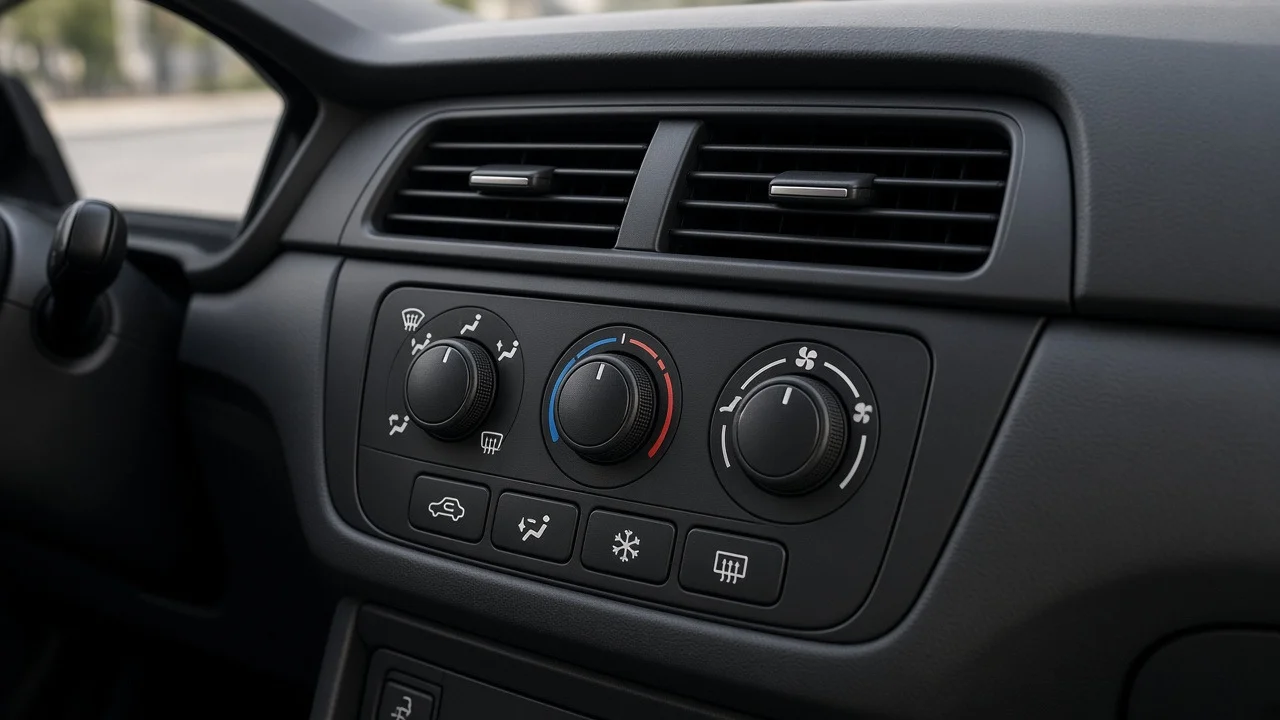
A vehicle HVAC control is the driver’s interface for managing cabin comfort, blending temperature, airflow direction, fan speed, and sometimes air source or defrost priority. When temperature control feels confusing, the issue is rarely a single dial or button; it is a system coordinating a blower motor, heater core, air blend doors, and refrigerant performance. Understanding how these controls translate your settings into delivered air helps you distinguish normal behavior from a developing fault and gives you a clearer path when heat, cooling, or airflow changes unexpectedly.
Essential answer
The essential answer is that vehicle climate control manages thermal comfort by adjusting airflow, temperature blend, fan speed, and outlet selection. In a manual system, the driver sets the fan and temperature position directly. In an automatic system, a control module compares the requested cabin temperature with sensor readings and then commands blend-door position and blower output. Either way, the control is only the command layer; the real work happens at the heater core, evaporator, doors, and blower motor.
A practical reading of any symptom starts at the air delivery path rather than the electronic panel alone. If airflow is weak, the blower motor or cabin filter deserves attention. If air moves well but stays cold, the coolant-heated heater core or an air blend door may be the cause. If cooling is poor, refrigerant charge and compressor operation are central. Viewing the HVAC control as part of this chain prevents replacing controls when a restriction, temperature door, or fan issue is actually responsible.
Identification and location
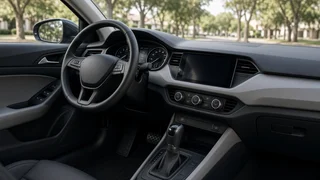
The primary HVAC controls are normally located in the center stack of the instrument panel, within easy reach of the front-seat occupants. Common identifiers include a temperature knob or dual-zone readouts, a fan speed selector, and mode buttons showing arrows toward the windshield, face, or floor. Some vehicles place a separate rear control panel in the back of the center console, and automatic systems often display the selected temperature rather than a simple hot-to-cold color band.
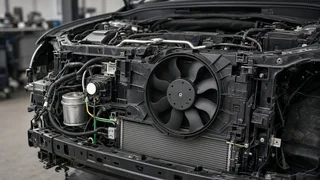
The air delivery side is located away from the panel. The blower motor generally sits behind the glove box or below the passenger side of the dash, drawing air across the cabin filter. The heater core is housed inside the HVAC case near the firewall, while mode doors above the footwell route output to the defrost, dash, and floor vents. Knowing where these components live helps you connect a control input to the sound, smell, or temperature change that follows it.