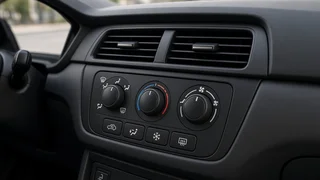
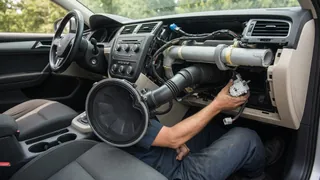
Universal car HVAC systems
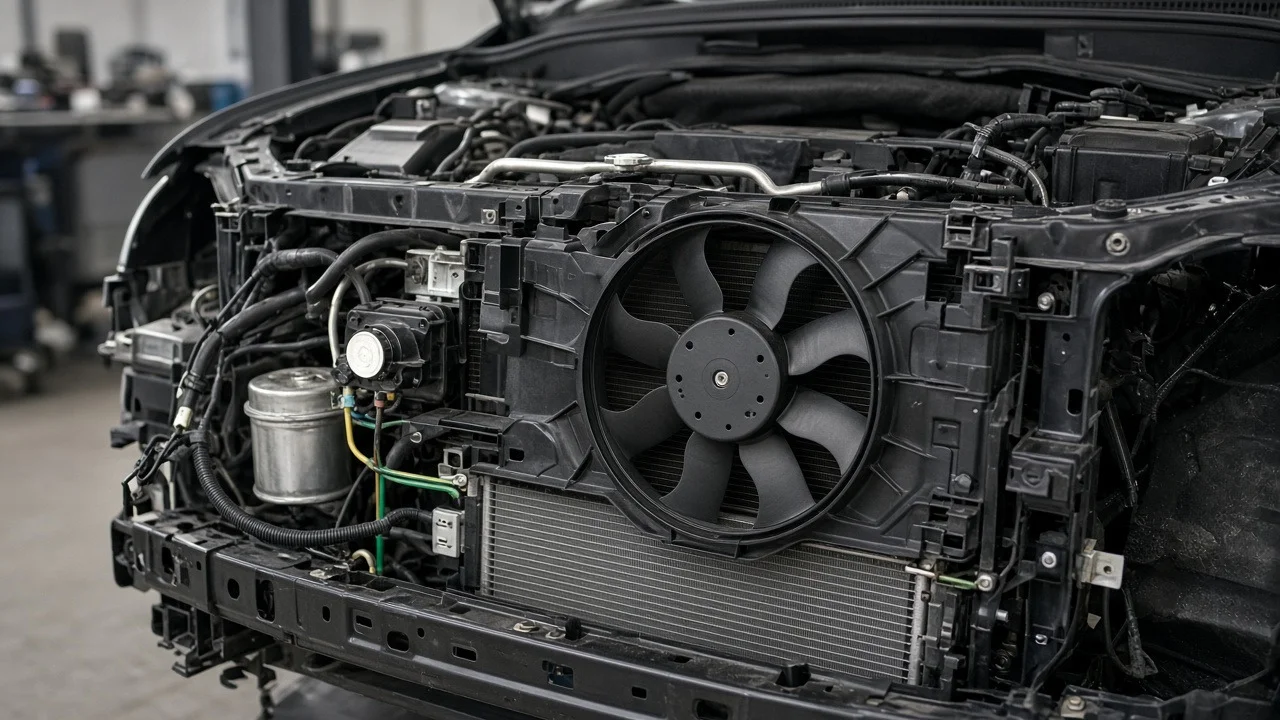
A universal car HVAC approach matters when the factory climate system is weak, leaking, or too expensive to repair with model-specific parts. Owners often ask how to get reliable cooling and heating without matching every original component. The practical answer is to treat the system as three cooperating functions: airflow, temperature control, and refrigerant circulation. Checking those functions before buying components helps avoid spending money on a blower motor when the real issue is a clogged cabin filter or an incorrect refrigerant specification.
The direct answer
There is no single plug-and-play box that replaces every vehicle climate system, but many core parts are serviceable with broadly compatible components. The direct answer is that a universal car HVAC setup usually means standardized blower motors, heater cores, control valves, and duct fittings selected to match the existing mounting points and electrical range. Before buying, confirm whether the problem is weak airflow, no temperature change, or no cooling at all, because each failure points to a different part of the climate loop.
The main condition that changes the answer is fitment. A blower motor with the correct rotation and speed range can replace a worn factory unit if the housing and connector are adaptable. A heater core must match the inlet and outlet locations closely enough to avoid straining coolant hoses. Manufacturer-dependent codes or pressure readings are evidence to interpret, not proof that one specific part failed. Measure the old component, compare the connector style, and verify the control voltage or cable travel before treating a universal part as a direct replacement.