Variable camshaft timing phaser
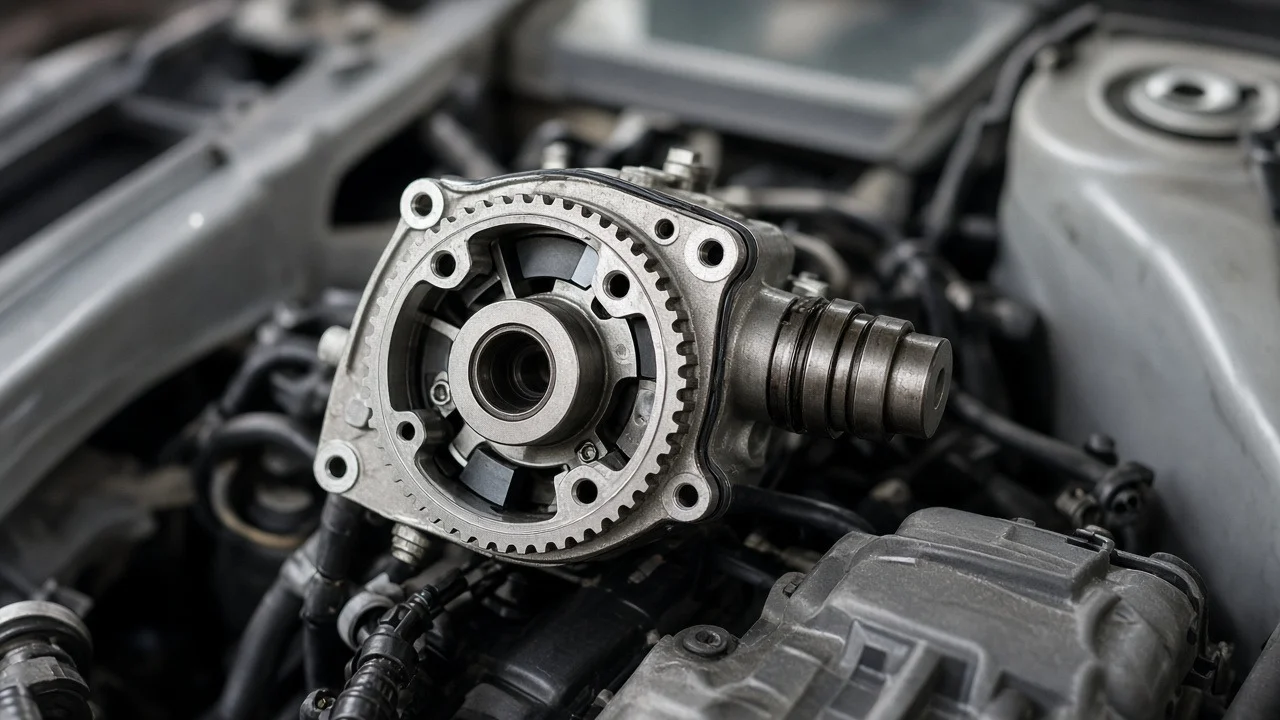
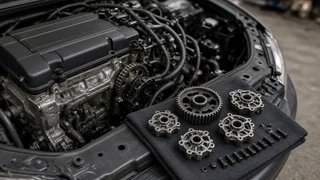
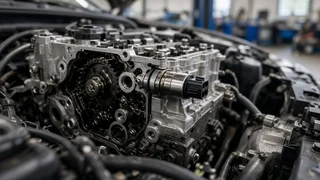
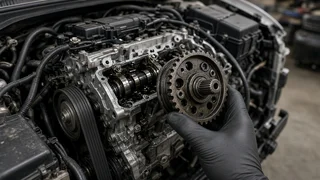
A variable camshaft timing phaser is the engine component that physically changes the relationship between the camshaft and the crankshaft while the engine runs. Unlike fixed timing drives, this device rotates the camshaft slightly forward or backward using oil pressure directed by a control solenoid. That adjustment shifts valve opening and closing events to suit idle, part-throttle cruising, or hard acceleration. Understanding the phaser helps separate normal operation from wear-related noise, rough idle, or trouble codes on modern engines.
Essential answer
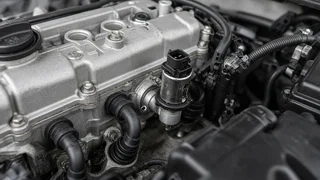
A variable camshaft timing phaser, often called a cam phaser or VCT actuator, is the adjustable hub attached to the camshaft drive sprocket. Engine oil pressure moves internal vanes or pistons inside the phaser, advancing or retarding the cam relative to the timing chain or belt. The engine control module commands those changes to improve torque, emissions, and fuel economy. The phaser is not the sensor or the solenoid, although those parts work with it and are commonly mislabeled.
The scope of the term varies by manufacturer. Ford, Chrysler, Toyota, Honda, and General Motors use different phaser designs, oil galleries, and fault-detection strategies, so a code pointing to cam timing does not automatically identify the same failed part on every vehicle. A phaser may be a single intake-side unit in a straightforward engine configuration or one of several components in a multi-cam engine with separate intake and exhaust timing. Confirm the engine layout and diagnostic codes before assuming which phaser is involved.