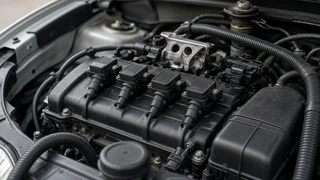
Understand an LS engine ignition system
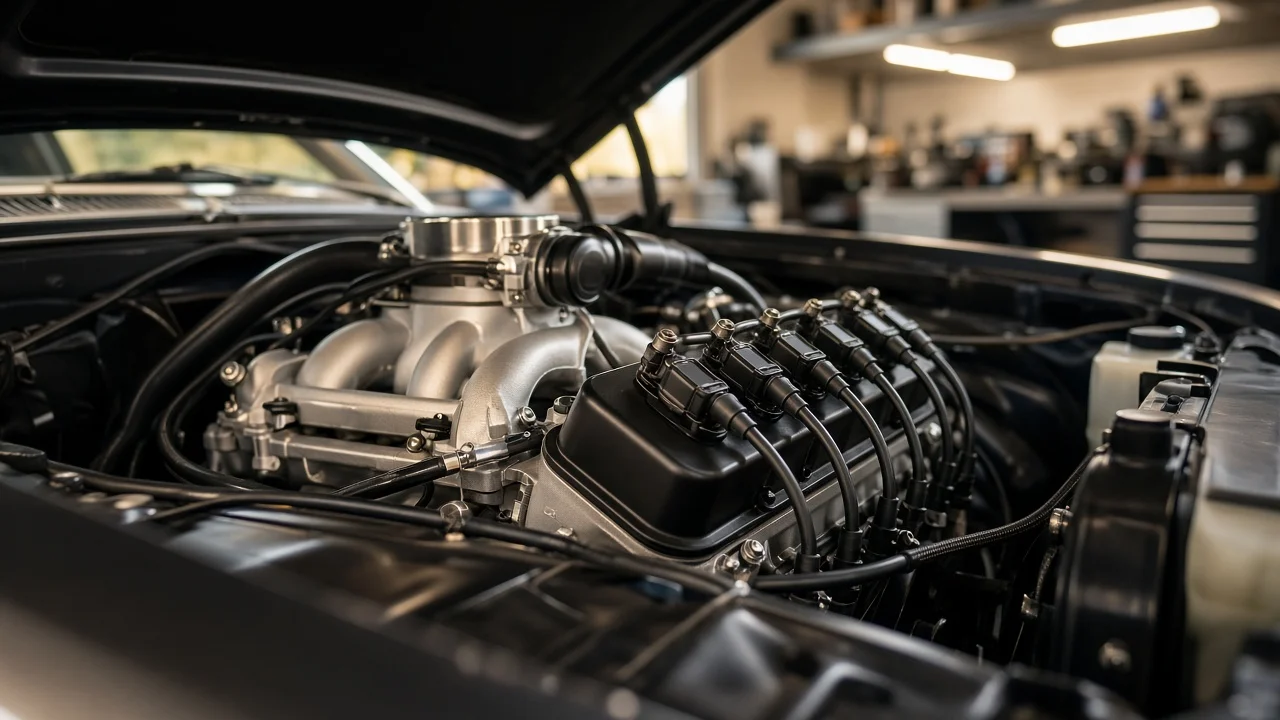
An LS engine ignition system is the spark-producing control chain that fires the air-fuel mixture in each cylinder at the correct point in the compression stroke. The LS platform moved away from a single distributor and relies on electronically timed coil assemblies that work with crankshaft and camshaft position signals. Understanding this setup helps a driver or owner separate a true ignition problem from starter circuit, battery state of charge, fuel delivery, or cranking speed concerns when an engine turns over but does not start cleanly.
Essential answer
At its core, an LS ignition system is a distributorless, coil-near-plug arrangement. The engine control module uses position sensor inputs to determine which cylinder is approaching top dead center on the compression stroke, then commands the corresponding coil to release stored energy through the spark plug. This design reduces the long secondary wires and single-point timing wear associated with older distributor ignitions, giving each coil more time to charge between firing events.
Diagnostic checks should begin by separating the ignition event from the power supply and starting path. A weak battery state of charge can slow cranking speed so much that the control module cannot establish a reliable position signal, even when the ignition system itself is sound. Likewise, a faulty ignition switch may interrupt run-mode voltage without producing a cranking fault, making the engine appear ignition-dead while the real cause is in the starter circuit.