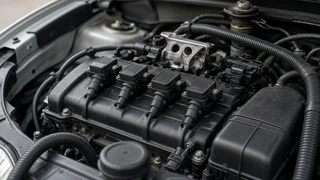
Understand a conventional ignition system
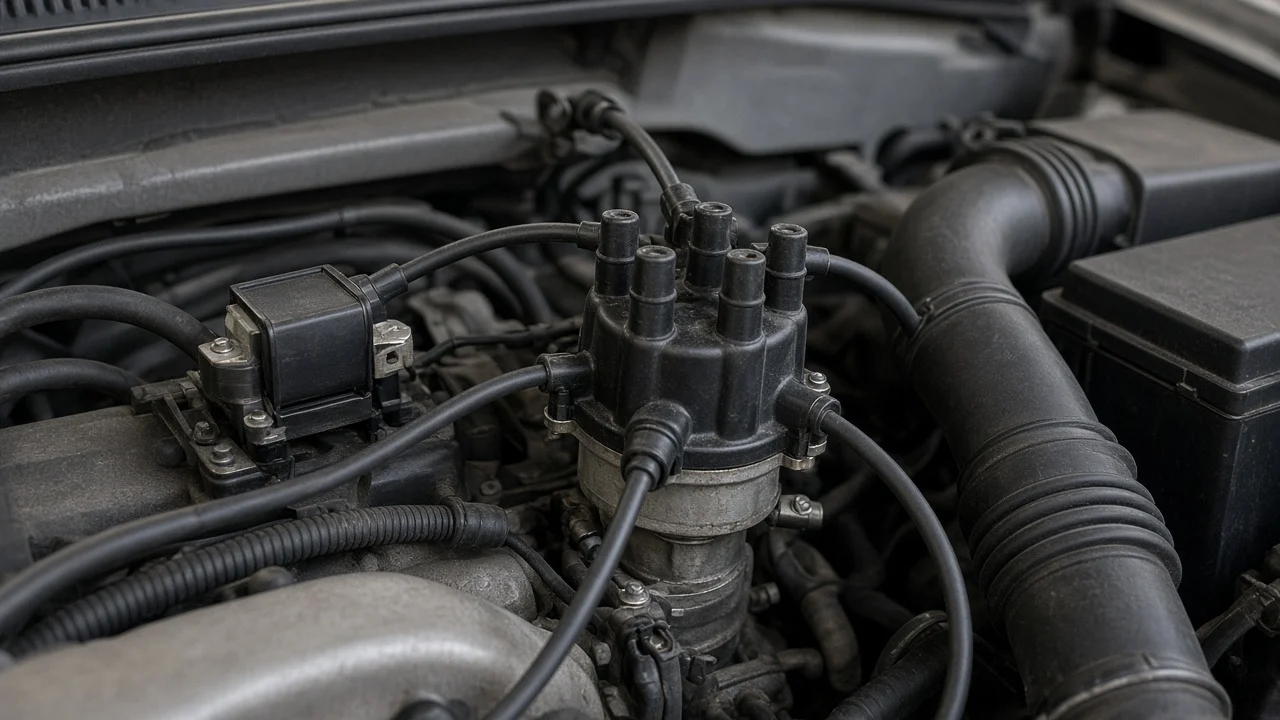
A conventional ignition system remains one of the most practical ways to understand how a gasoline engine begins firing. When an engine cranks but will not start, the ignition switch, battery state of charge, and starter circuit are often the first places a diagnosis leads. This overview explains the basic flow from key turn to spark without assuming a specific vehicle. The goal is to give a clear technical picture of a distributor-based setup, its relationship to crank speed and fuel delivery, and the diagnostic checks that make sense when an older design shows a no-start or misfire condition.
Essential answer
A conventional ignition system is the distributor-and-coil layout used on many older gasoline vehicles. In this design, the ignition switch sends low-voltage current to the primary side of the ignition coil while the starter circuit spins the engine. The coil steps that voltage up, and a set of breaker points or an ignition module interrupts the primary flow. That interruption creates a high-voltage pulse, which the distributor routes through the correct spark plug wire to fire the air-fuel mixture in one cylinder at a time. The basic job is to deliver spark at the right moment for combustion.
Understanding this system helps separate an electrical fault from a fuel or mechanical problem during a no-start. If the engine turns over at a normal cranking speed but does not fire, the battery state of charge is usually strong enough to rule out a slow starter. The next checks typically follow the spark path: ignition switch output, coil primary and secondary behavior, points or module switching, distributor cap and rotor condition, plug wires, and spark plugs. If spark is present, diagnostic attention often shifts toward fuel delivery rather than continuing to replace ignition parts.