TRP FSC brake
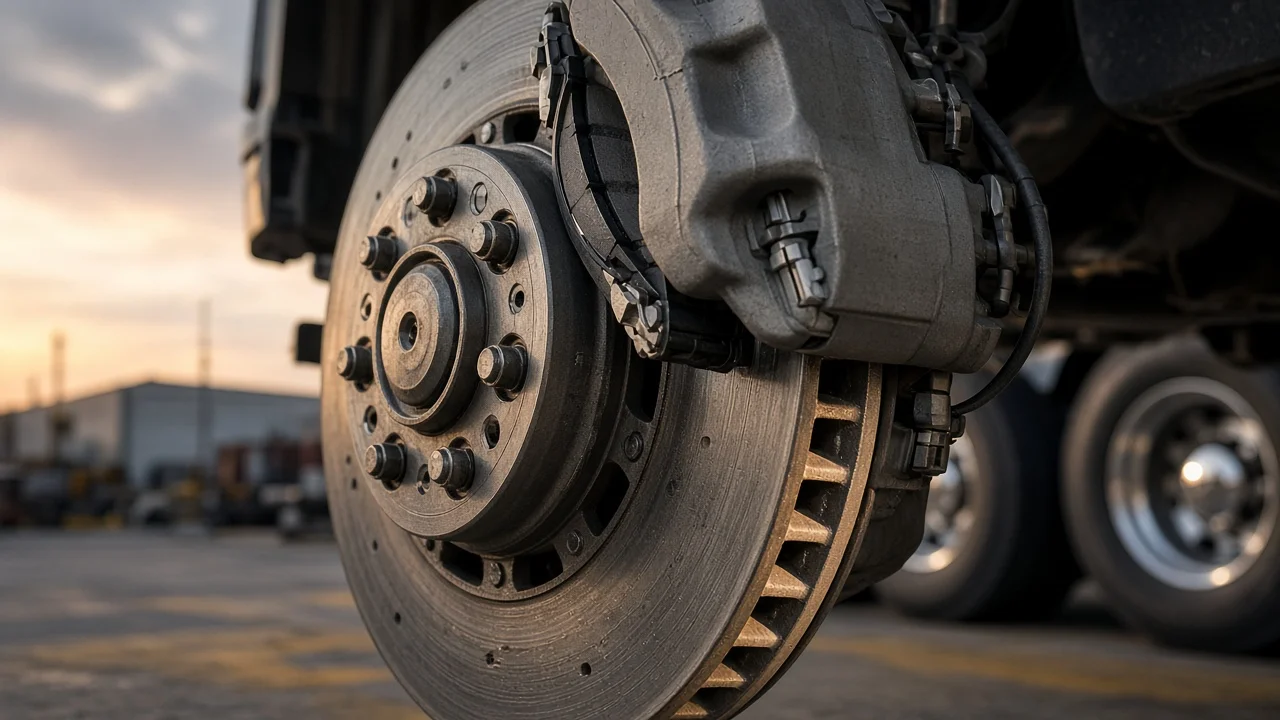
Shopping for a TRP FSC brake means evaluating a replacement or upgrade intended for real-world stopping performance, but unconfirmed product data makes direct comparisons difficult. A smart buying decision still follows from understanding how the assembly, caliper, rotors, pads, and fluid work together within your vehicle fitment. Because friction material formulations and wear limits vary, the purchase should hinge on exact compatibility rather than category labels alone. This guide translates what the search term implies about your braking goals into a practical checklist for choosing confidently without relying on unverified specifications.
The direct answer
Resolve your immediate question by confirming that the TRP FSC brake is a valid option only when the specific part number matches your chassis, axle position, and existing rotor diameter. Braking components function as a matched system rather than a universal upgrade. The caliper body must position the friction material across the full rotor face, while the pad abutments and piston travel must align with factory wheel clearance and hub offset. If that compatibility cannot be verified, treat the purchase as provisional and delay buying until you obtain a fitment confirmation for your model and trim.
The next practical filter is condition and intended use. Brake performance depends on the coefficient of friction working within a predictable temperature range, so a new or lightly used assembly should show even pad taper and no deep scoring on the rotor surface. For a street vehicle, look for clean caliper slide surfaces and intact dust boots that prevent moisture from degrading brake fluid movement. Without confirmed price or review data, base your value decision on whether the hardware resolves a known stopping fault, such as a dragging caliper or heat-faded pad, rather than on marketing language about performance braking.