Replacing a Brake Pressure Sensor: What to Check Before You Buy
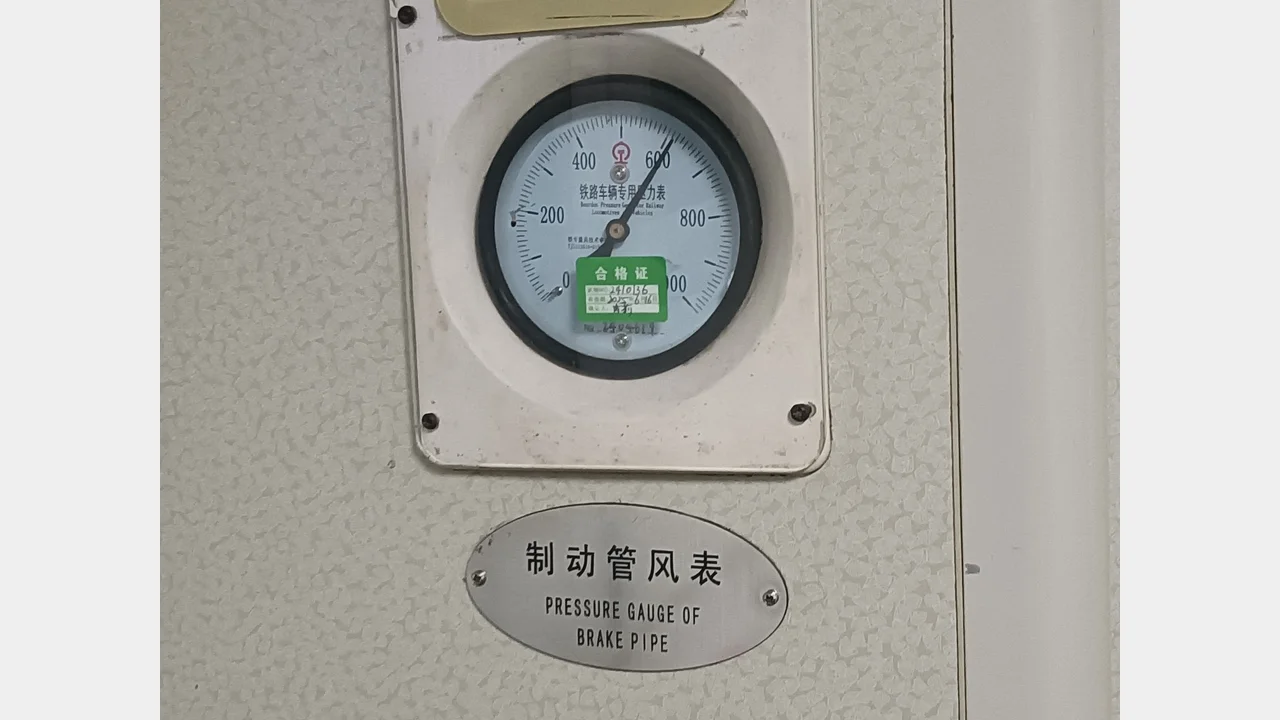
Replacing a brake pressure sensor is usually worth doing only after a scan tool has pointed to the sensor or its circuit. Before you buy, confirm three things: the sensor is actually at fault, your vehicle uses a separately replaceable sensor, and you can bleed and calibrate the system afterward. If the sensor is built into the ABS hydraulic unit, you may not be able to buy it separately. In that case the job becomes a module repair or replacement, which changes the cost and complexity considerably.
What a brake pressure sensor does
A brake pressure sensor measures hydraulic pressure in the brake system, usually at the master cylinder or inside the ABS/stability control hydraulic unit. It reports that pressure to the control module as an electrical signal. The module uses the reading to judge how hard the driver is braking. That information feeds functions such as electronic stability control, brake assist, hill-start assist, adaptive cruise control and, on some vehicles, engine start-stop and brake light control.
The sensor does not affect brake pads, brake rotors, calipers or friction material directly. A faulty sensor typically disables or limits electronic assist features. The base hydraulic brakes normally keep working. Even so, any brake warning deserves prompt attention, because stability and assist systems matter in emergency stops and on slippery roads.
Make sure you have the right sensor in mind
Several brake-related sensors have similar names, and they are easy to confuse when shopping. The brake pressure sensor is a different part from these:
Part | What it monitors | Typical sign of trouble; Brake pressure sensor | Hydraulic pressure in the brake circuit | ABS, traction or stability warning lights; disabled brake assist or cruise features; pressure-sensor trouble codes; Brake pad wear sensor | Whether pad friction material has reached its wear limit | Pad wear warning on the dash; usually replaced along with the pads; Brake light switch | Pedal position | Brake lights stuck on or off; cruise control or shift-interlock problems on some vehicles; Wheel speed sensor | Rotation speed of each wheel | ABS and traction warnings tied to one specific wheel
Some vehicles use a brake light switch, others use a pressure sensor, and some use both. Check what your specific vehicle uses before ordering.
Confirm the diagnosis before buying
Warning lights alone don't prove the sensor has failed. Before replacing a brake pressure sensor, work through these checks:
Read the stored codes with a scan tool that can access the ABS/ESC module. A generic engine-code reader may not see brake module codes. Check whether the code points to the sensor itself, its signal range or its circuit. Circuit faults are often caused by wiring or connectors rather than the sensor. Inspect the connector and harness for corrosion, loose pins, chafing or fluid contamination. Check the brake fluid level and condition. A low reservoir can trigger related warnings, and a leak needs fixing first. If your scan tool shows live data, compare the pressure reading with the pedal released and applied. A reading that is stuck, erratic or not zero at rest supports a sensor fault. Look for related bulletins or known issues for your model. Software updates or wiring repairs sometimes resolve pressure-sensor codes.
Check whether the sensor is separately serviceable
Where the sensor sits differs by manufacturer, model year and brake system design:
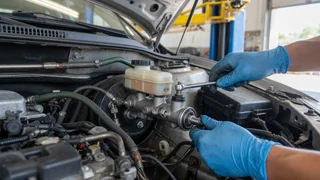
Threaded into the master cylinder: often sold as a separate part and replaceable on its own. Mounted on the ABS/ESC hydraulic unit: sometimes replaceable separately, sometimes not, depending on the design. Integrated inside the hydraulic unit or brake booster assembly: may require replacing the whole module. Electro-hydraulic or brake-by-wire systems, including many hybrids and EVs: may use several pressure sensors and often need dealer-level tools for service.
Some vehicles have more than one pressure sensor, for example one per hydraulic circuit. The trouble code usually identifies which one has failed. Match that to the correct part before ordering.
How to confirm vehicle fitment
Fitment errors are common with brake pressure sensors because the same model can use different parts depending on year, market, trim, powertrain and brake package. To reduce the risk of buying the wrong one:
Look up the part by VIN through a parts catalog or dealer parts counter rather than by make and model alone. Compare the part number stamped on your existing sensor, if it can be read, with the replacement listing. Confirm the connector shape and pin count, thread size, and any sealing washer or O-ring. Check whether the listing covers your specific brake system. Vehicles with adaptive cruise, a performance brake package or a hybrid powertrain may use a different sensor. If the listing says it fits a range of years, check for mid-year changes that the listing may not mention.
OE, aftermarket or remanufactured
An original-equipment (OE) sensor from the vehicle maker's parts channel is the most predictable choice for fit and signal calibration. Aftermarket sensors from established brake or electronics suppliers can work well, but the quality varies. Because the control module expects the sensor's output to follow a specific range, a poorly matched sensor can cause repeat codes or inconsistent assist behavior. If a sensor comes only as part of an ABS module, remanufactured or programmed used modules are sometimes offered. Check whether they need coding to your VIN and what warranty is included.
What the replacement involves
Removing a brake pressure sensor opens the hydraulic system, so planning matters as much as the part itself:
Brake fluid will escape when the sensor is removed. Protect painted surfaces, because brake fluid can damage paint, and have the correct fluid type for your vehicle ready. Air can enter the system. At a minimum, the affected circuit will need bleeding. On some vehicles, air in the ABS unit can only be purged with a scan-tool-controlled bleed procedure. Tighten the new sensor to the manufacturer's specified torque and use a new sealing washer or O-ring if one is required. Many vehicles require a zero-point calibration or sensor learning procedure afterward, using a scan tool. Codes may return until this is done. After clearing codes and calibrating, check pedal feel, confirm warning lights stay off, and test drive carefully before normal use.
DIY or professional repair
A sensor that threads into the master cylinder may be a manageable home job if you can bleed brakes correctly and have a scan tool that supports ABS bleeding and sensor calibration for your vehicle. Consider a shop if any of these apply: the sensor sits inside or on the ABS unit, your vehicle has an electro-hydraulic brake system, the procedure requires dealer software, or you are not confident bleeding brakes. A spongy pedal or trapped air after the job is a safety problem, not just a nuisance.
Choosing your next step
If a scan confirms a pressure sensor fault and your vehicle uses a separate, threaded sensor, order a VIN-matched part and plan for bleeding and calibration. If the code points to a circuit problem, inspect the wiring and connector before buying anything. If the sensor turns out to be integrated into the ABS hydraulic unit, get a repair quote that covers the module, any programming it needs, and bleeding. Then compare that with options such as a remanufactured unit.