Replace a brake pressure switch
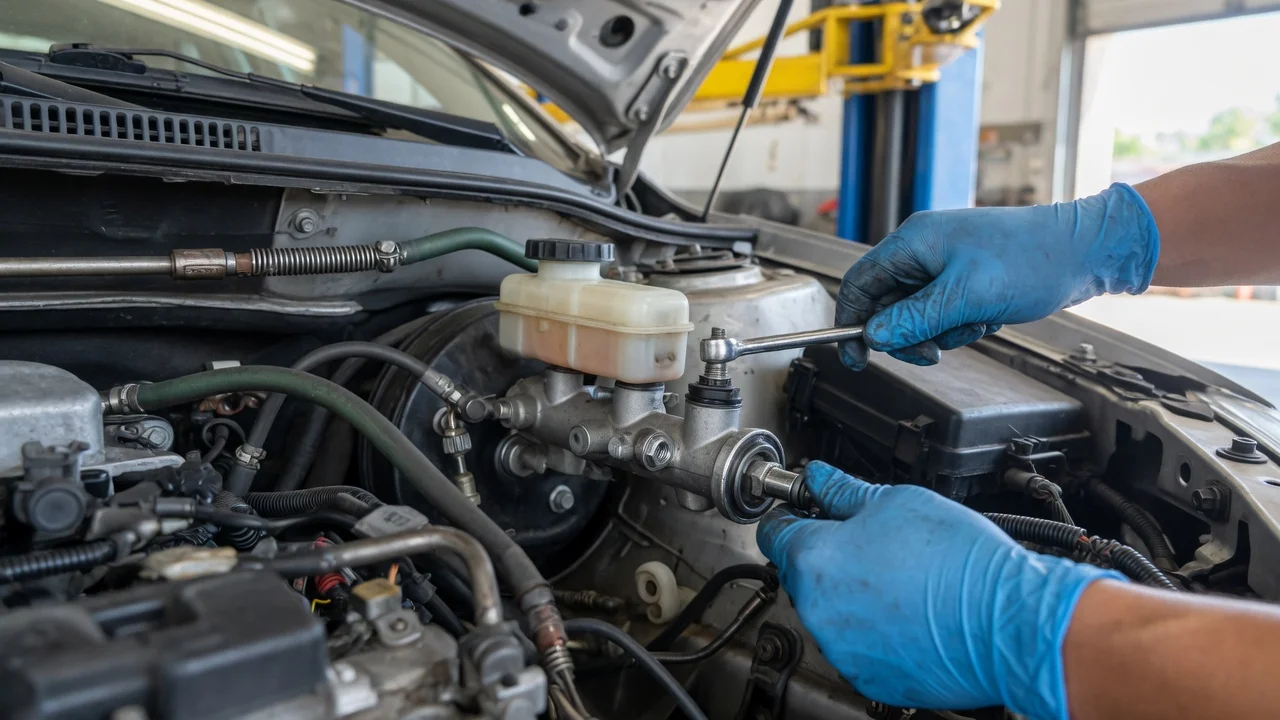
The short answer
A brake pressure switch can usually be replaced as a single part, but the job depends on which switch your vehicle has. If the switch threads directly into the brake hydraulic system, removing it lets fluid escape and can let air in. You will then need to top up and bleed the brakes. If the switch is a pressure sensor built into an ABS or stability-control system, the vehicle may also need a scan-tool calibration after replacement. Identify the exact switch for your model year, market, trim and powertrain before buying a part or starting work.
Which part does "brake pressure switch" refer to?
The name is applied to several different components. They differ in location, function and replacement steps, so start by working out which one you have:
Hydraulic brake light switch: Fitted on some vehicles, mainly older designs. Fluid pressure closes the switch when the pedal is pressed, which turns on the brake lights. It is usually threaded into the master cylinder or a brake line fitting. Pressure differential or brake warning switch: This switch turns on the dashboard brake warning light when pressure between the two hydraulic circuits becomes unequal, for example because of a leak. It is often part of a combination or proportioning valve assembly. ABS or stability-control pressure sensor: This electronic sensor reports brake pressure to the control module. Depending on the vehicle, it may mount on the master cylinder or be built into the hydraulic control unit. Pedal-mounted brake light switch: Many modern vehicles operate the brake lights with a switch at the pedal arm instead of a pressure switch. This switch is outside the hydraulic system, and replacing it does not involve brake fluid.
Your owner's manual, a factory service manual, or a parts lookup using your vehicle identification number (VIN) can confirm which type your vehicle uses and where it is located. The same model can use different parts across years, markets or brake system options, such as vehicles with and without stability control. Confirm the part number for your specific vehicle rather than relying on a general model match.
Signs the switch may be at fault
The symptoms depend on the switch's job. A failed hydraulic brake light switch can leave the brake lights off or stuck on. A pressure differential switch can trigger the brake warning light. A faulty ABS pressure sensor can set diagnostic trouble codes and turn on the ABS or stability-control warning lights. Real hydraulic problems, low fluid or wiring faults can cause the same symptoms. Check fluid level, look for leaks and read any stored codes before you assume the switch is the cause. A warning light can mean a genuine loss of braking capacity.
What replacement generally involves
For a switch that threads into the hydraulic system, the general sequence is:
Confirm the correct replacement part and the brake fluid type specified for your vehicle, usually shown on the reservoir cap or in the manual. Disconnect the electrical connector from the switch. Prepare for fluid loss. Place rags underneath, and keep the new switch ready so the port stays open as briefly as possible. Brake fluid can damage paint. Unscrew the old switch and install the new one, using a new sealing washer or thread sealant only if the service information calls for it. Tighten to the manufacturer's torque specification. Reconnect the connector, top up the reservoir and bleed the brakes as the service procedure for your vehicle specifies. Check that the brake lights or warning lights work correctly, confirm the pedal feels firm, and check for leaks before driving.
For an ABS or stability-control pressure sensor, the procedure may add steps that are specific to the vehicle. These can include a particular bleeding routine that cycles the ABS unit, or a sensor zero-point or initialization procedure done with a capable scan tool. If the sensor is built into the hydraulic control unit, it may not be sold separately at all. In that case the repair becomes a larger assembly replacement.
Deciding between doing it yourself and using a shop
A pedal-mounted brake light switch or an easily reached hydraulic brake light switch is often within reach of someone comfortable with basic tools and brake bleeding. A professional is the safer choice in three situations: the switch is part of an ABS or stability-control system, the vehicle needs scan-tool calibration, or you cannot bleed the brakes properly. Air left in the system can make the pedal soft and reduce braking performance.
Information not covered here
This guide does not cover any specific vehicle, so it gives no part numbers, locations, torque values, fluid specifications, labor times or prices. These details vary by model year, market, trim and brake system. Get them from the factory service information or a VIN-based parts lookup for your vehicle.