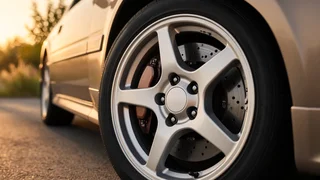
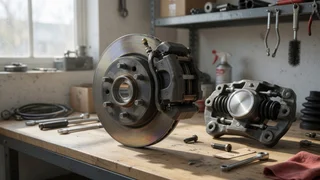
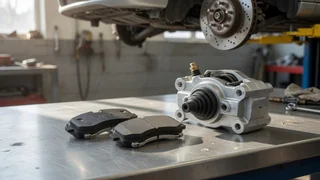
Triumph Spitfire 1500 brake calipers
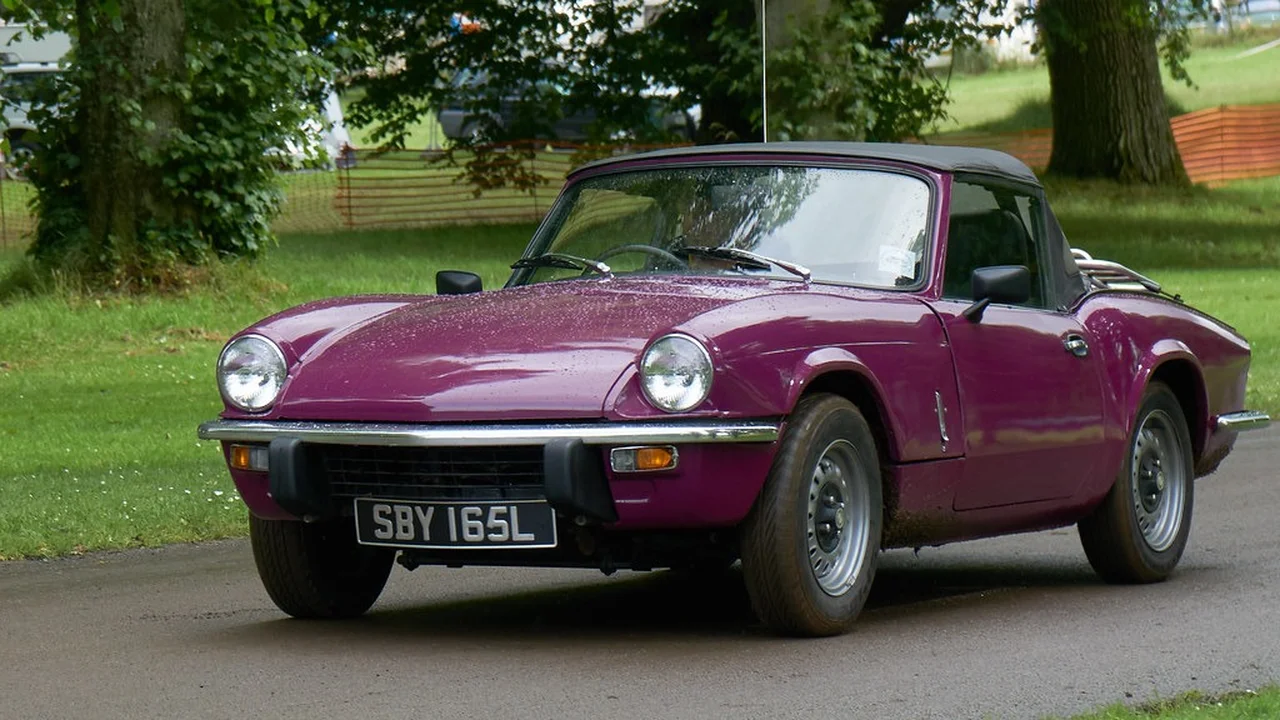
Choosing replacement Triumph Spitfire 1500 brake calipers means balancing originality, rebuild quality, and fitment for a car whose braking parts have been remanufactured and interchanged for decades. Before ordering, look at the caliper body, piston condition, bleed screw threads, and whether the unit returns a core. The same casting family can appear with different piston materials and seal kits, so condition matters more than paint. Knowing what to inspect helps avoid a caliper that mounts correctly but drags, leaks, or cannot be bled cleanly.
The direct answer
For a Triumph Spitfire 1500, the practical choice is usually a remanufactured or rebuilt caliper that matches the original mounting ears, piston diameter, and hose inlet position, unless your current cores are rebuildable. The 1500 used a front disc brake caliper that shares its general layout with other late Spitfire models, but small production changes and years of parts swapping mean the casting number is only a starting point. Confirm the unit is sold specifically for your car or has visible measurements that match the caliper already removed from one side.
Buying in pairs is often the safer path even if only one caliper is sticking. A single new or rebuilt caliper may have less internal friction than the opposite aging unit, producing a slight pull or uneven pad wear. If the original pair is rebuildable, a seal-and-piston kit can restore even performance without changing the castings. If the existing body is deeply pitted or a bleed screw is seized, replacement is more practical than chasing threads that may not seal under pressure.